







- Where
- Rethymno, Crete
- Directions
- Directions
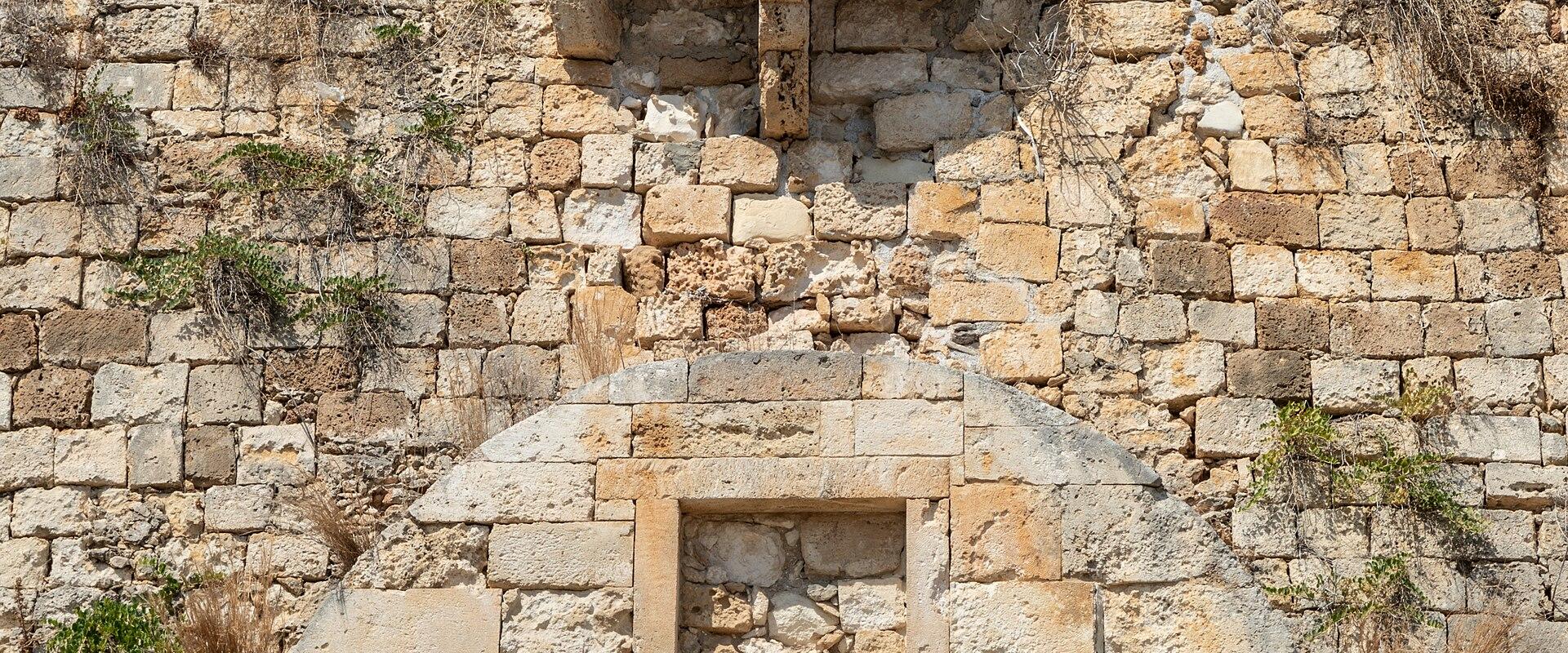
The Fortezza of Rethymno crowns the low hill of Paleokastro, jutting into the sea on the northern coast of Crete and overlooking the Old Town and its harbour. It is one of the largest Venetian fortresses on the island. The Venetians began it in 1573 after a raid by the Ottoman fleet in 1571 showed how exposed the city was, and it was largely complete by 1580. The design is credited to the military engineer Sforza Pallavicini, and it follows the angled-bastion style that Italian engineers developed to resist artillery.
Despite its size, the fortress failed to save the city. In 1646 the Ottomans began a siege of Rethymno and captured the fortress after a few weeks, remaining in control for more than two centuries. The Ottoman period left its mark on the interior. The most visible building is the Mosque of Sultan Ibrahim, a domed structure with a clear outline that stands near the middle of the enclosure. Other remains include a Venetian church that was converted to another use, storerooms, barracks and a cistern, though many of the interior structures were lost over time.
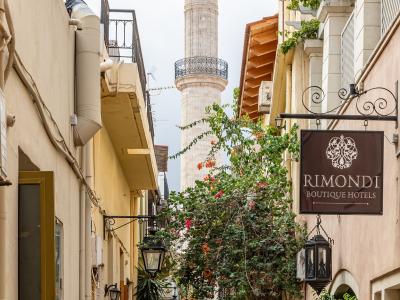
Inside the walls, the area is large and open, with grass, low ruins and paths. Walkers can follow the rampart for views toward the Mediterranean and over the rooftops, minarets and the harbour lighthouse of the old town. The sea views stretch east and west along the coast, and in the afternoon the light makes the stone glow. Cats wander freely among the ruins and add to the sense of quiet.
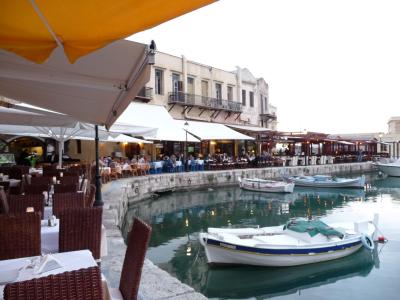
The approach is easy from the Old Town, a short walk from the Venetian harbour along stone lanes with shops and tavernas. Paths up to the gate are gently sloped, and inside they are mostly level, though some surfaces are uneven. There is little shade, so a hat and water are worth bringing in summer, and the best light for photographs comes in the late afternoon.
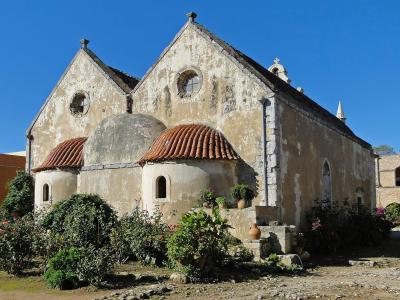
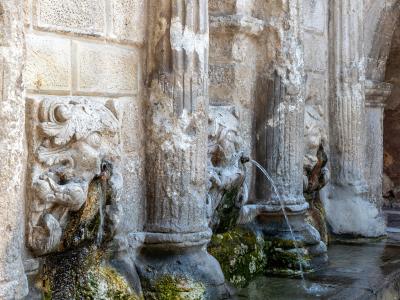
Allow around an hour to walk the full circuit. The Fortezza combines well with the Rimondi Fountain, the Neratze Mosque and the harbour, all within the compact historic centre, and can be paired with a trip to the Arkadi Monastery inland. As a Venetian military monument on a Cretan headland, it gives a good introduction to the island's layered Venetian and Ottoman history.
Categories
More photos coming soon
Nearby Attractions
Other places to visit in Rethymno
Questions people ask
Quick Facts
Best Time to Visit
May to June and September to October offer pleasant weather and fewer crowds.