Rethymno
Cretan city with Venetian fortress and medieval old town
History
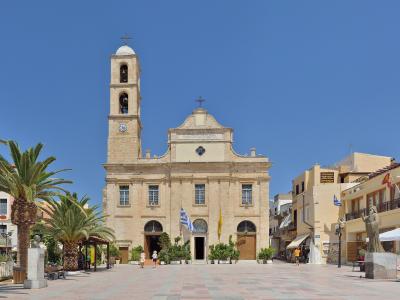
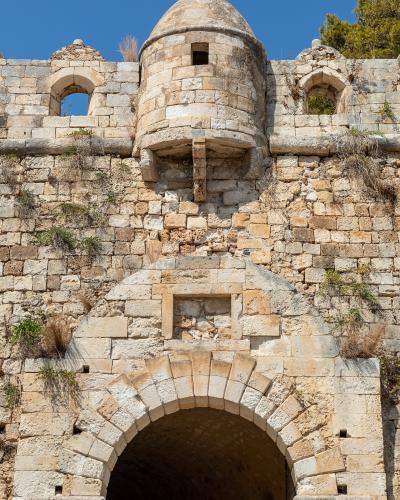
Rethymno, the third-largest city in Crete, stands as a testament to the island’s complex and layered history. Located on the northern coast between Chania and Heraklion, the city has long served as a strategic crossroads for various civilizations. Its architectural landscape reflects this rich heritage, featuring a unique blend of Venetian, Ottoman, and Greek influences. The Venetians, who ruled Crete for nearly four centuries, left an indelible mark on the city, particularly with the construction of the Fortezza, a massive fortress built in the late 16th century to defend against Ottoman attacks. The Ottomans, who captured the city in 1646, added their own cultural elements, including minarets and mosques, which coexist with the Venetian loggias and Orthodox churches. This harmonious blend of styles makes Rethymno’s Old Town one of the best-preserved medieval towns in Greece, offering a tangible connection to the island’s past. The city’s history is not just confined to its buildings but is also evident in its traditional crafts and culinary practices, which have been passed down through generations.
Main Attractions
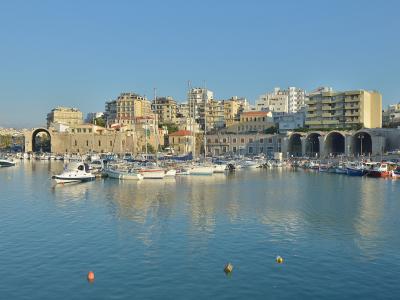
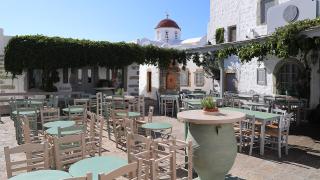
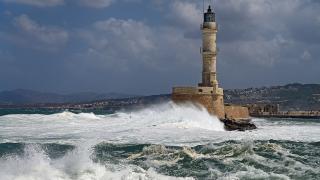
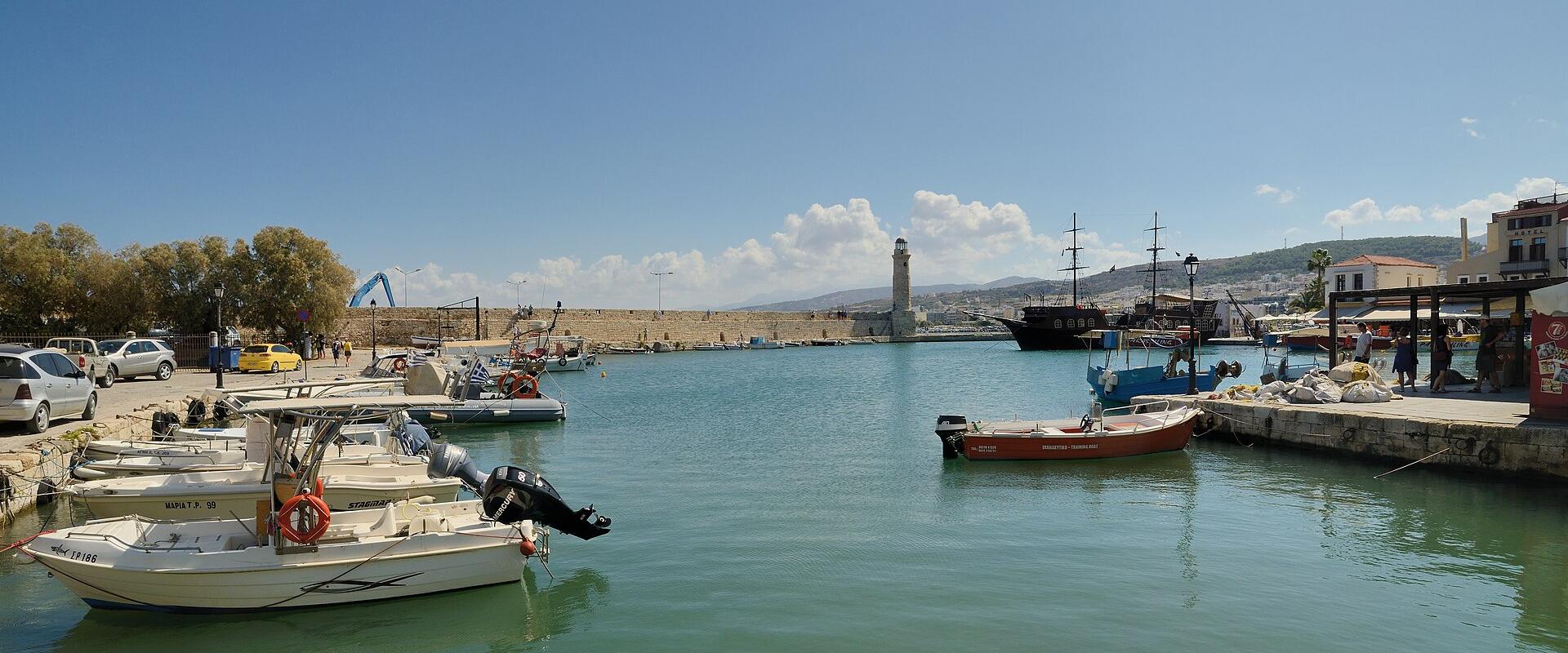
The primary attraction in Rethymno is the Fortezza, a 16th-century Venetian fortress that dominates the skyline from its position on the headland overlooking the harbor. This well-preserved structure offers panoramic views of the city and the Aegean Sea, especially stunning at sunset. Inside the walls of the Old Town, visitors can explore a maze of narrow streets lined with Venetian and Ottoman architecture. The area is home to traditional kafeneions (coffee houses) with stone arches, where locals gather to socialize. The Archaeological Museum of Rethymno houses artifacts from the Neolithic to Roman periods, providing insight into the region’s ancient history. Additionally, the Palaeontology Museum, located in the former mosque of Veli Pasha, exhibits fossils dating back 300 million years, highlighting the area’s geological significance. The Venetian Harbour, anchored by the Egyptian lighthouse, serves as a picturesque gateway to the city, while the nearby long sandy beaches offer a relaxing contrast to the historic urban center.
Activities
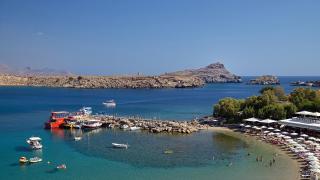
Visitors to Rethymno can engage in a variety of activities that highlight the city’s cultural and natural offerings. Walking tours through the Old Town reveal hidden courtyards, traditional workshops, and vibrant street life. The city is also a gateway to the surrounding countryside, where visitors can explore wine villages such as Dafnes and Peza, known for their high-quality Cretan wines. The Arkadi Monastery, a symbol of Cretan resistance, is a short drive away and offers a profound glimpse into the island’s spiritual and historical heritage. For those seeking relaxation, the long sandy beaches provide ideal conditions for swimming and sunbathing. Boat trips from the harbor offer opportunities for sunset cruises and swimming stops in secluded bays. The region’s natural beauty is further explored through hikes in the Psiloritis mountain range, a UNESCO Global Geopark known for its endemic plants and dramatic landscapes.
Getting There
Rethymno is accessible by air, sea, and land. The nearest airport is in Heraklion, approximately one hour away by car, with regular flights from Athens and other major European cities. Ferries connect Rethymno to Piraeus in Athens, with journeys taking approximately 8.5 hours, and to Santorini, with trips lasting around 2.5 hours. The city is well-connected by road, with regular bus services linking it to other major cities in Crete. Once in Rethymno, public buses and taxis are available for local transportation, and car rentals offer flexibility for exploring the surrounding areas. The compact nature of the Old Town makes it easy to explore on foot, while the wider region is best accessed by car.
Best Time to Visit
The best time to visit Rethymno is during the shoulder seasons of May to June and September to October. During these months, the weather is warm and pleasant, with temperatures ideal for exploring the city and visiting archaeological sites. The summer months, particularly July and August, can be hot and crowded, with higher prices and larger crowds of tourists. Visiting during the shoulder seasons offers a more relaxed experience, with fewer crowds and a more authentic atmosphere. The autumn months, in particular, offer beautiful weather and the added benefit of harvest festivals, where visitors can sample local produce and traditional dishes. It is advisable to book accommodation in advance, especially during the peak summer months, to ensure availability.
Best Time to Visit
May to June and September to October offer pleasant weather and fewer crowds.
Plan Your Visit to Rethymno
Essential travel tips and information for your trip to Rethymno.
Suggested Itineraries
Travel Tips
Currency
EUR • Cards widely accepted
Language
Greek • English in tourist areas
WiFi
Free WiFi in cafes and hotels
Explore Rethymno by Interest
Discover attractions and experiences in Rethymno organized by your interests and travel preferences.

All attractions in Rethymno
Sorted by our recommendation score
Quick Facts
Book your stay
Frequently Asked Questions
More destinations in Crete
Explore other amazing places in the Crete region