







- Where
- Chios, Aegean
- Directions
- Directions
The Mastic Production Areas occupy the southern third of Chios in Greece, a rocky part of the island where Pistacia lentiscus var. chia, the mastic tree, grows in large numbers. Mastic is a resin that seeps from cuts in the bark, and the trees only yield it in significant quantity in this region, a fact that has made the Greek island's economy and identity depend on it for centuries. In 2014, UNESCO added the know-how of cultivating mastic on Chios to its list of Intangible Cultural Heritage, recognising the knowledge that growers have passed down for generations.
The harvest follows a fixed rhythm. In summer, farmers clean the ground beneath each tree and spread a layer of fine white earth, then make small cuts, called kentimata, in the bark with a sharp tool. The resin drips and hardens into tears over the next weeks, and after collection it is sorted, washed and cleaned by hand, often by women in the villages. Mastic was valued from antiquity for its flavour and its uses in medicine, and in the Ottoman period it was prized at court, which is why the island's villages enjoyed special privileges.
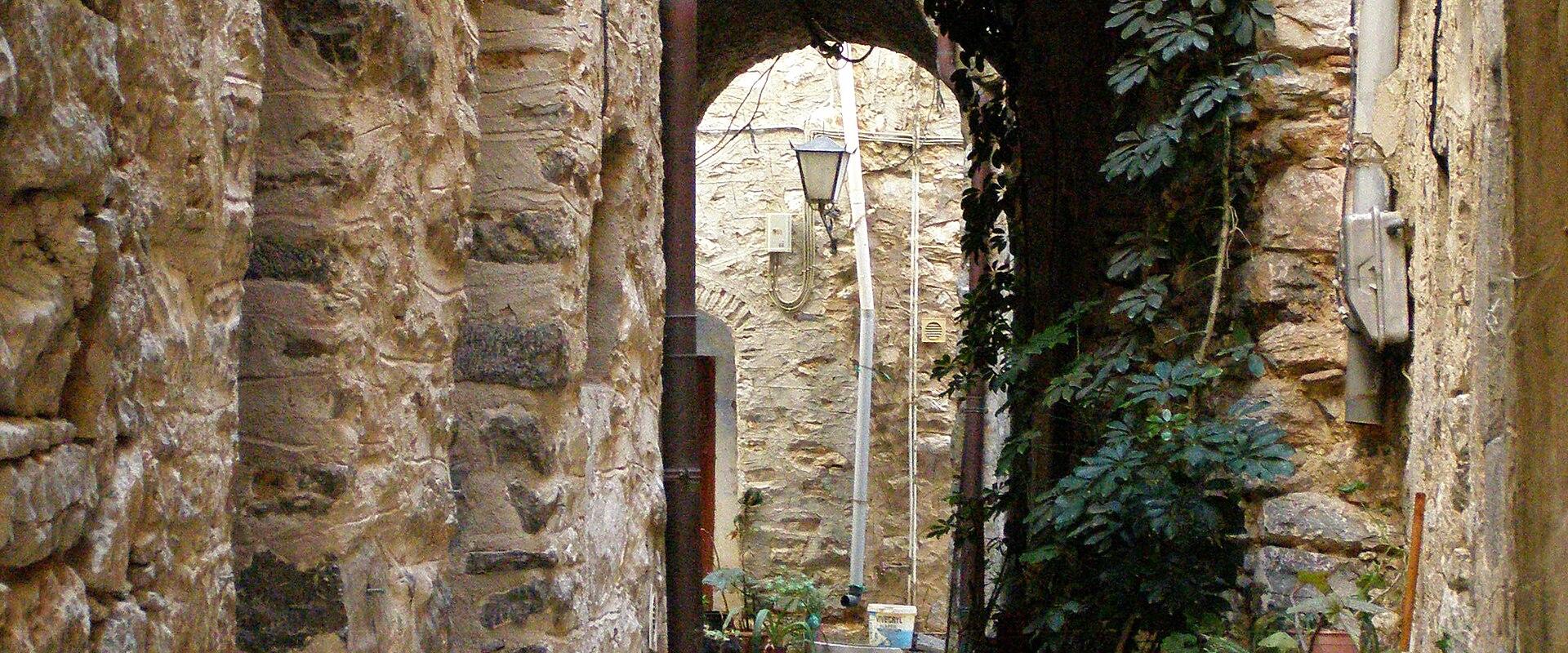
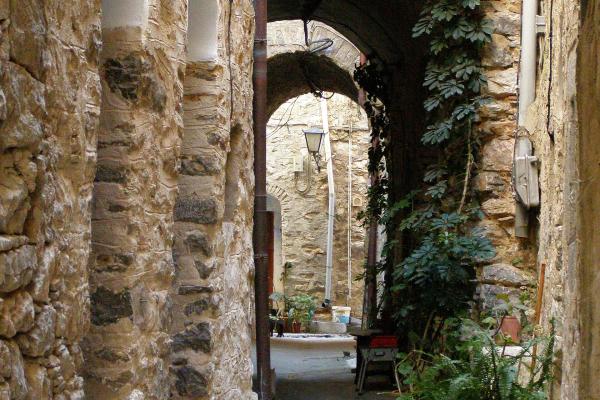
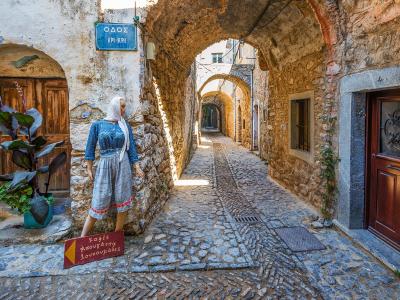
The Mastichochoria, the mastic villages, are built around that trade. Production in these Areas happens village by village. Mesta is the best preserved: a walled medieval settlement with a maze of vaulted lanes, tall stone houses joined into a continuous defensive wall, and a tight central square. Pyrgi is known for its houses decorated with geometric patterns scratched into grey and white plaster, a technique called xysta. Olympi and Armolia also have a medieval layout, and Armolia is a centre of pottery.
Visitors can walk through the groves, taste mastic in sweets, liqueurs and ice cream, and buy products from cooperatives and small shops, including chewing gum, soap and cosmetics. The Chios Mastic Museum, run by the growers' association near Armolia, explains the history and process with tools and displays. It is a useful stop before touring the villages.
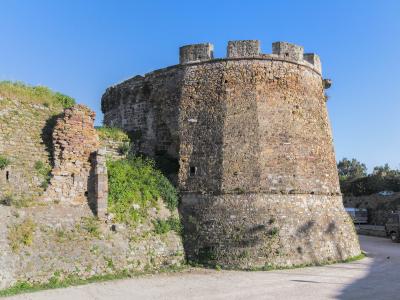
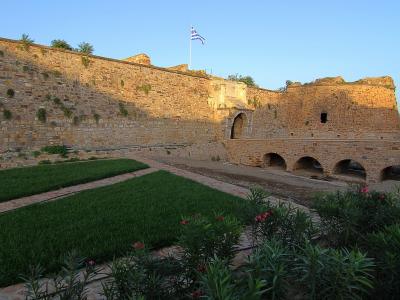
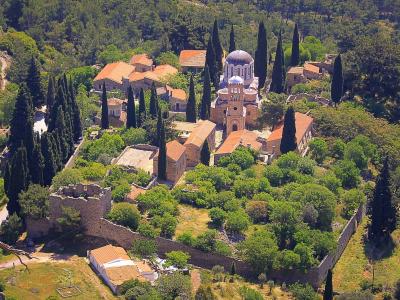
A car makes it easy to link the villages, since roads are good but distances are short. Spring brings wildflowers, and autumn is pleasant, while summer is hot and the groves are busiest with work. Wear comfortable shoes for stone lanes, respect private groves, and ask before photographing people at work. Combined with the monastery of Nea Moni and the castle of Chios, the villages make up a full day in the south of the island.
Categories
More photos coming soon
Questions people ask
Quick Facts
Best Time to Visit
May to October offers warm, dry weather, with May and June ideal for fewer crowds.