







- Where
- Chios, Aegean
- Directions
- Directions
The Mastic Groves of southern Chios are low, rounded orchards of Pistacia lentiscus var. chia, a variety of the mastic tree that is cultivated here and that gives the island its most famous product. The trees are small and wide, grey-green and evergreen, and they grow in terraces and rocky fields among stone walls, so the landscape looks like a gentle sea of silvery foliage, especially when wind moves the leaves. It is a working agricultural landscape rather than a wild one, and every tree has an owner.
Why the resin flows so freely on southern Chios, and hardly anywhere else, is still not fully explained. Soil, climate and many generations of selected cuttings all play a part, and attempts to grow mastic elsewhere have not matched the yield. Growers describe the tree as slow and demanding. Each one needs several years to produce, and pruning and cleaning must be done by hand. The trees' output is small, which helps explain the high price of the resin.
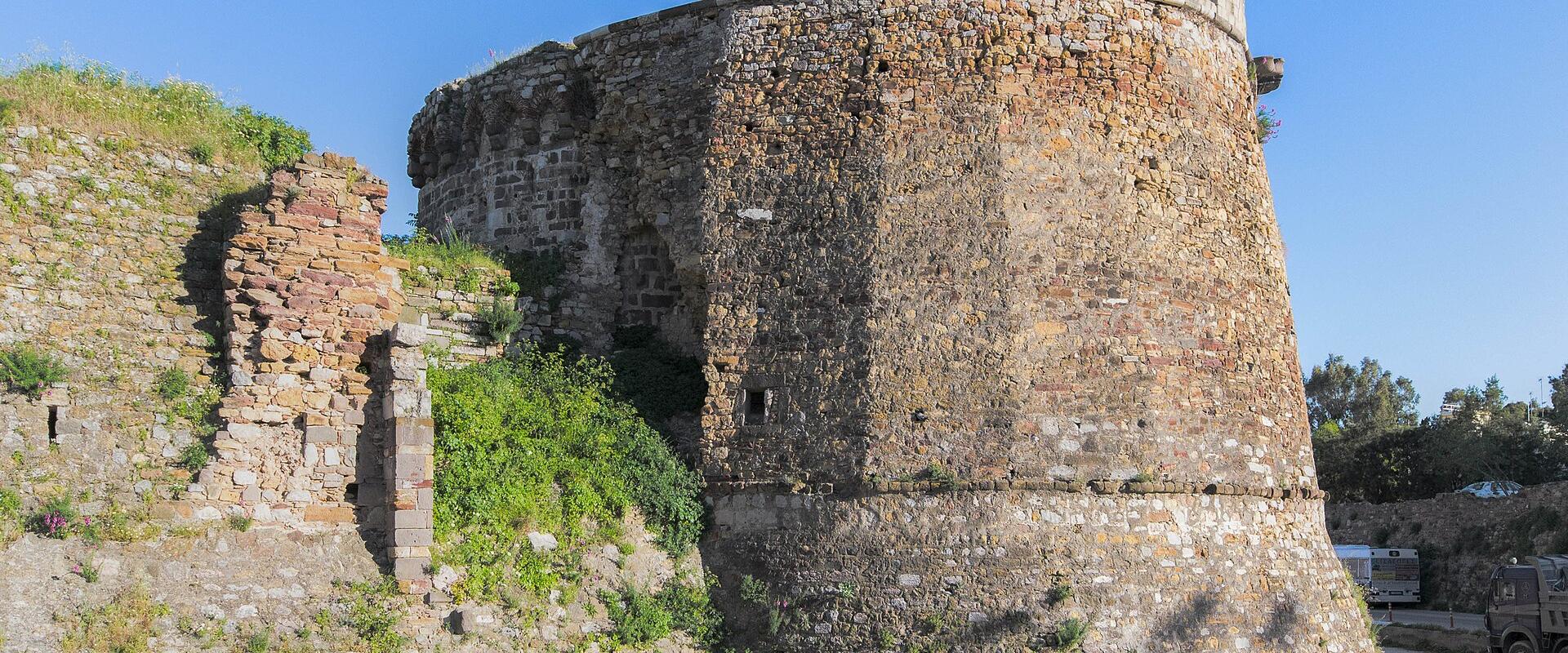
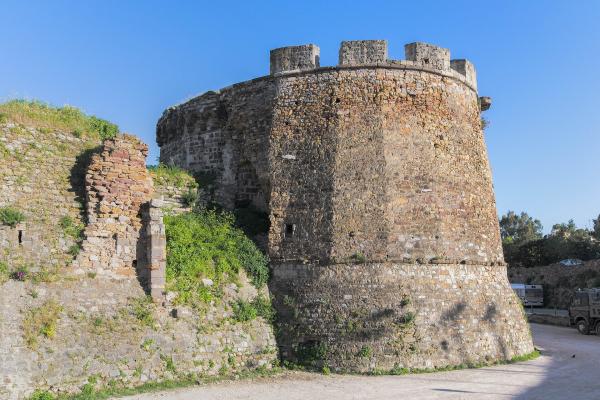
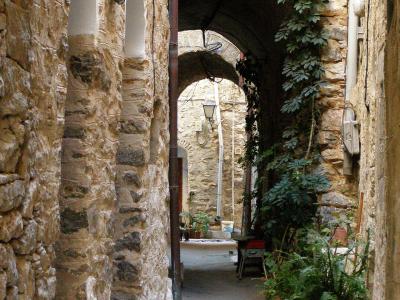
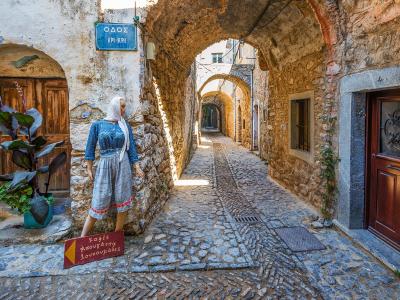
The groves also tell a historical story. During the Genoese period, which lasted from the fourteenth century until 1566, the trade in mastic was controlled by merchants and the island's villages were fortified against pirates. Under the Ottomans, the sultans valued mastic for its use in the palace, and the people of the Mastichochoria received tax advantages and protection. The medieval villages, with their closed outer walls and narrow lanes, reflect this history, and their layout is tied to the groves around them.
A visit is best made in summer, when you can see the work of harvesting, though the heat is heavy, or in spring and autumn for comfortable walks. The roads between the villages cross the groves, and in places small paths let you walk among the trees. Please keep to paths and avoid touching the ground beneath the trees, which growers prepare carefully for the harvest. Mastic tears on the ground are the product of someone's work.
The unusual know-how of cultivation is recognised by UNESCO as intangible heritage, and mastic is still used in chewing gum, liqueur, sweets, bread and cosmetics. In the villages you can buy it in several forms and learn how it is gathered. The mastic museum near Armolia provides an easy introduction to the whole process, and the villages of Mesta and Pyrgi show the architecture that grew up around it.
Categories
More photos coming soon
Questions people ask
Quick Facts
Best Time to Visit
May to October offers warm, dry weather, with May and June ideal for fewer crowds.