







Monastery Museum
- Where
- Patmos, Aegean
- Directions
- Directions
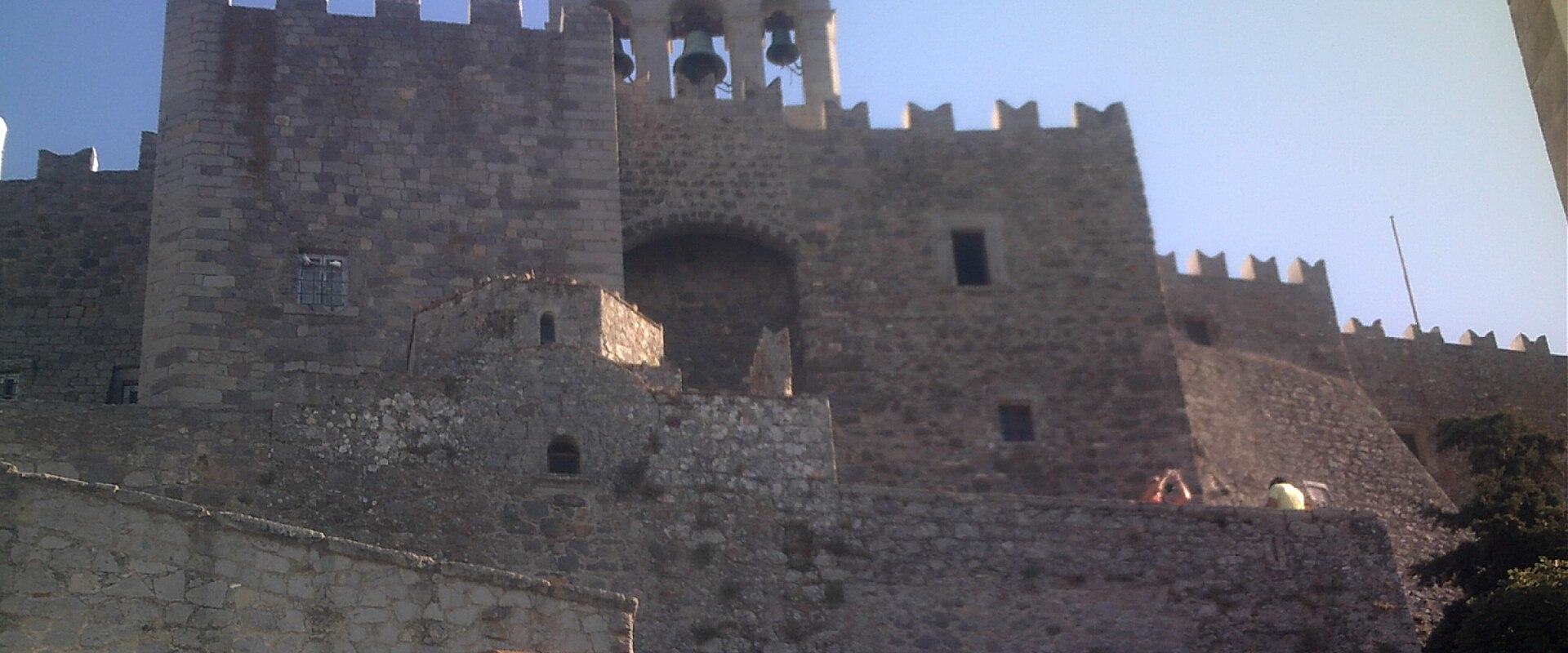
Within the fortress-like walls of the Monastery of Saint John the Theologian, which crowns the town of Chora on Patmos, the Monastery Museum preserves the treasures that the community has gathered over nearly a thousand years. The monastery was founded in 1088 by the monk Christodoulos, who received the island from the Byzantine emperor Alexios I Komnenos, and the documents that record this grant are among the most valued items in its archive. The museum, usually described as the monastery's treasury, shows how a small island became a centre of learning and pilgrimage.
The core of the display is the icons. Hundreds of them have been collected, ranging from works of the Byzantine period to the Post-Byzantine Cretan school and later painters, many of them in the Aegean tradition, and they cover subjects from the life of Christ to the Virgin and the saints. Alongside them are liturgical objects: silver crosses, chalices, censers and reliquaries, embroidered vestments with gold thread, and carved wooden pieces. Many were gifts from emperors, patriarchs and wealthy donors, and their quality shows the monastery's status. The pieces are shown in cases with labels, in rooms that keep to the quiet, low-lit mood of the monastery.
A related treasure is the monastery's library, whose manuscripts and early printed books are among the most important in the Orthodox world. Among them are fragments of a very early Gospel manuscript on purple parchment, in lettering made with silver ink, a rare survivor of its kind. Travelers usually cannot browse the library itself, but the museum includes some of the documents and gives a sense of what lies in the collection.
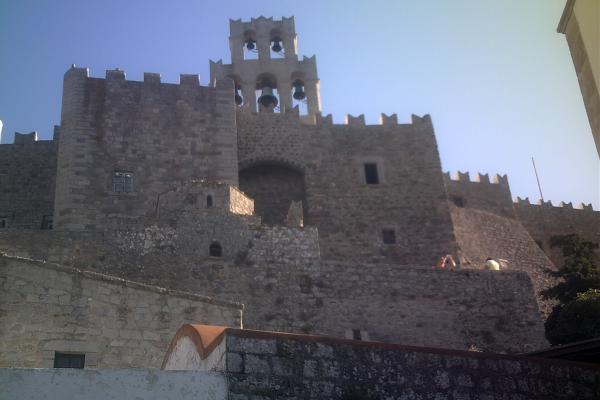
The location adds to the atmosphere, and Saint John the Divine is traditionally believed to have written the Book of Revelation in the nearby cave. The monastery, together with the Cave of the Apocalypse and the old town of Chora, is a UNESCO World Heritage Site, and the museum is housed within walls that resemble a castle more than a place of prayer. The outer courtyard, with its arches and whitewashed galleries, leads into the main church, where visitors can see the chapel and frescoes before entering the museum rooms.
As this is a living monastery, visitors should dress modestly, with covered shoulders and knees, and keep voices low. Opening hours are limited and vary by season, so it is best to check locally; mornings are usually the best time to visit. The museum is easily combined with a walk through Chora’s lanes and the descent to the Cave of the Apocalypse, and a visit gives a good sense of why Patmos’s monastery matters so much to the Christian world.
Categories
More photos coming soon
Nearby Attractions
Other places to visit in Patmos

Questions people ask
Quick Facts
Best Time to Visit
May to October offers warm, dry weather, with June and September providing the best balance.