







- Where
- Chania, Crete
- Directions
- Directions
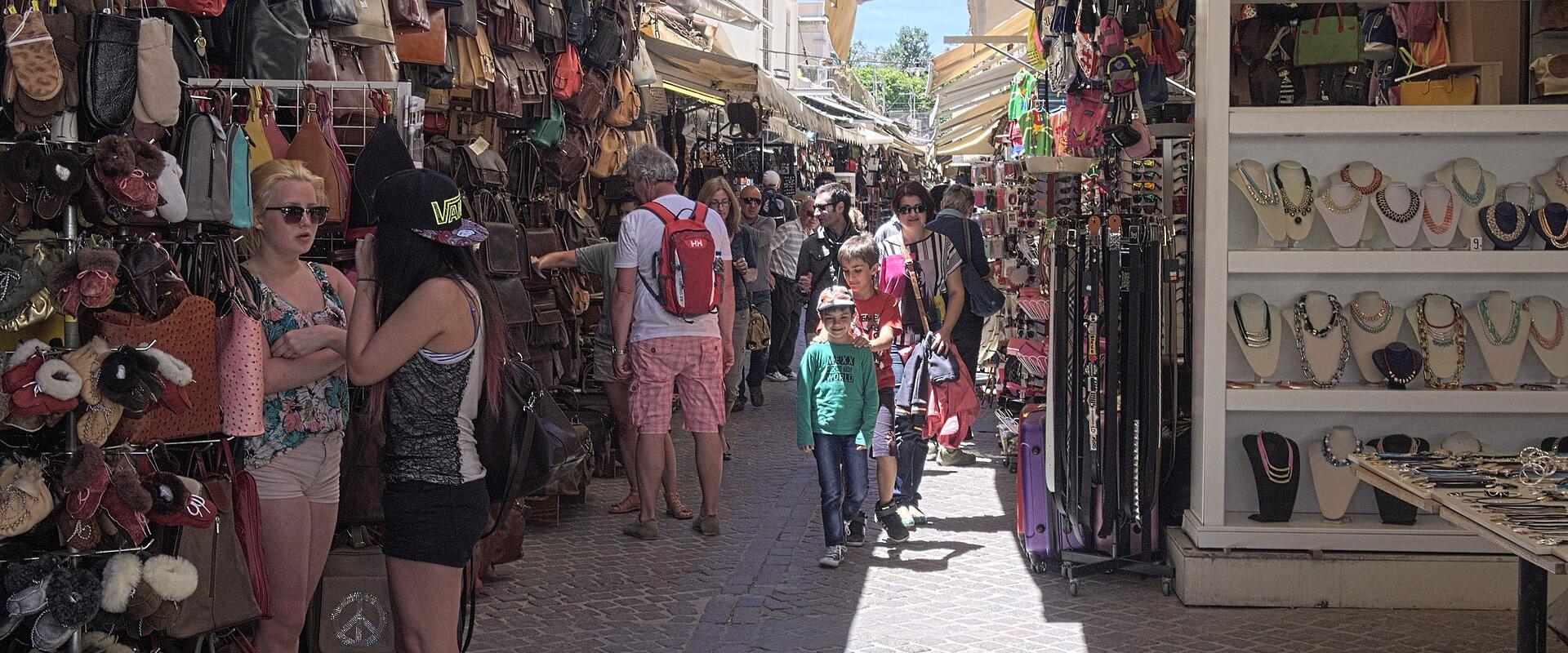
Skridlof Street is a narrow lane in Chania’s Old Town, in the city of Chania, close to the covered Agora, or municipal market, and it is known to visitors as Leather Street, a name that matches the French form, Rue du Cuir. For generations, workshops here made the tall black leather boots, called stivania, that are part of traditional Cretan dress. Local tradition says the street takes its name from Admiral Nikolai Skrydlov, a Russian naval officer who served in Crete at the end of the nineteenth century when the island was under international administration.
The stivania were made to last. They are high boots of soft leather, usually black, worn with baggy breeches called vrakes, a vest, a sash and a black fringed headscarf by Cretan men on festive days and, until the early twentieth century, in daily life in the mountains. A good pair is made to measure, stitched by hand and shaped to the wearer's calf, and the work demands skill and patience. They were practical for shepherds crossing rocky terrain and also a mark of status, and in some villages they are still worn at weddings and festivals.
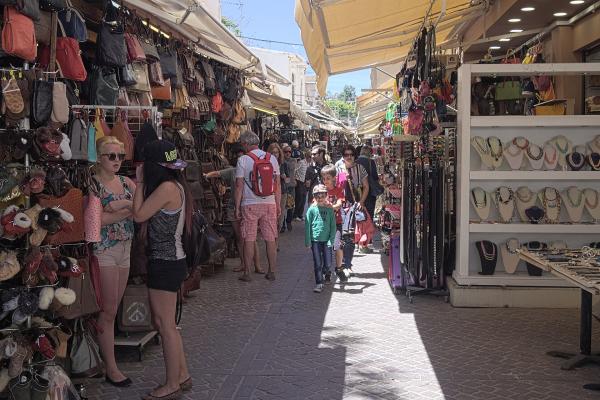
Today a smaller number of shops remain, though they are enough to keep the character of the lane. Leather goods fill the doorways: sandals, belts, bags, wallets and bags with Cretan motifs, alongside the boots, and some workshops will take an order for a custom pair, which takes days and is paid for in advance. Many shops also sell knives, woven textiles and keepsakes, so it is a place to browse for souvenirs as well as crafts. Quality varies, so look for hand stitching and good leather, ask about the origin of what you buy, and be ready to bargain gently.
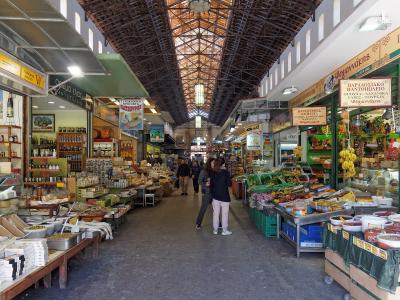
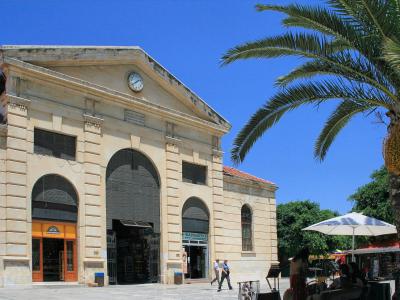
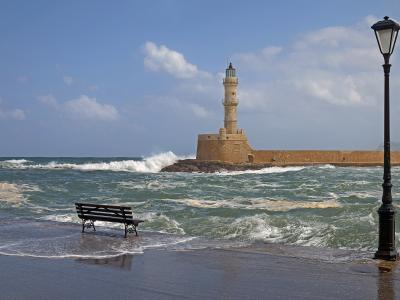
The lane is short and easy to find, a few steps from the market, which is a cross-shaped hall built in the early twentieth century and filled with stalls of fish, cheese, herbs, olives and honey. After the leather shops, many visitors continue to the Venetian Harbour, a few minutes away, with its lighthouse and old arsenals.
Mornings are the best time to see the craftsmen at work, and afternoons and evenings are busier with visitors. The lanes are narrow, so step aside for delivery carts, and take care on the stone paving, which can be slippery after rain.
Categories
More photos coming soon
Nearby Attractions
Other places to visit in Chania
Questions people ask
Quick Facts
Best Time to Visit
May to October offers warm, dry weather ideal for beach activities and exploring, with July being the hottest month.