

The Whispering Stones of the Dodecanese
The Aegean wind does not merely blow; it speaks. It carries the salt of the sea and the faint, persistent echoes of antiquity, wrapping around the archipelago in a way that feels less like weather and more like memory. Here, history is not a static exhibit locked behind glass. It breathes. It lives in the limestone, in the sun-baked stone, and in the quiet spaces between the columns.
To walk through these islands is to step into a conversation that began millennia ago. The ancient craftsmen, often referred to in local lore as the Telchines, did not just build structures; they embedded their labor into the landscape. As you trace the paths, the weight of centuries settles gently, not as a burden, but as a companion. This is Rhodes, a place where the past is not a distant memory, but a living, pulsing presence.
Lindos: Where the Acropolis Touches the Sky
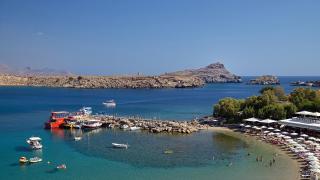
Lift your eyes, and you will see Lindac acropolis crowning the hill, a white-washed fortress clinging to the rock face. It is a striking contrast against the deep, unyielding blue of the Aegean. From the base, the Acropolis looks almost unreachable, a white crown resting on the head of the island.
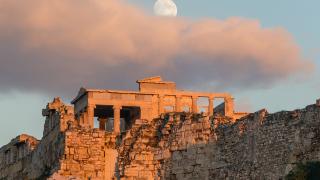
As you ascend, the air changes. The heat, while still present, is tempered by the sea breeze that sweeps up the cliff. The Hellenistic stoa, with its weathered columns, stands as a testament to endurance. Time here does not erase; it refines. The stone, bleached white by the sun, glows with a soft, radiant light.
This is a place of profound continuity. As you move through the cool shade of the stoa, the noise of the modern world fades into a distant hum. The silence is not empty; it is full. It is a sanctuary for reflection, a space where the past is not dead, but alive, waiting to be heard by those who take the time to listen.
Kos: The Healing Legacy of Asclepius
If Rhodes is the heart of the islands, Kos is its soul. While the former pulses with maritime energy, Kos offers a quieter, deeper dialogue. Here, the air carries the scent of wild herbs—oregano, thyme, and rosemary—grounding you in the present moment.
It is here that Hippocrates, the father of medicine, once walked. Standing on this soil, the weight of history feels tangible. The ancient Asclepion, perched on the slopes, invites a quiet reflection that is both intellectual and spiritual. It is not merely a ruin; it is a sanctuary of thought, a place where the boundary between the physical and the spiritual blurs.
The stone steps lead upward through cypress trees, their needle-like leaves filtering the sunlight into dappled patterns on the ground. Each step feels like a whisper from the past, guiding you toward a deeper understanding of healing. It is a reminder that care is not just a medical act, but a human connection, enduring through the ages.
The terrain of the Dodecanian ruins is beautiful, but it is not gentle. The uneven stone, worn smooth by centuries of foot traffic, demands respect. As you walk, remember that you are a guest in a home that has stood for millennia.
The sun, while majestic, is unforgiving. Midday heat can turn the marble to stone that burns. Hydration is not just a comfort; it is a necessity. Carry water, wear a hat, and seek the cool shade of the columns when the light becomes too intense.
This is not merely sightseeing; it is a dialogue with history. Approach each stone with reverence. The ancients did not build for themselves alone; they built for the future. They laid the foundation for the world we know, brick by brick, stone by stone. Walk gently, observe deeply, and let the history breathe through you.
The Enduring Echo of Antiquity
Sand clings to the stone, yet the foundation remains unshaken. The unity of Rhodes, forged in the political crucible of 408 BC, echoes through every stone you tread. The city was built not just as a refuge, but as a symbol of unity, a testament to the power of collective will.
Human creativity, in all its forms, seeks permanence. The towering columns, the intricate mosaics, the humblest tile—all are part of this enduring legacy. As you trace the lines of the past, remember that you are part of this continuum. The ancients did not build for themselves alone, but for the future.
In the silence of the ruins, the past speaks. It invites you to listen, to reflect, and to carry its wisdom forward into the light of the present. This is not just a visit to a historical site. It is a return to the roots of human experience, a connection to the eternal that transcends time and place.