The Edge of the World: Where Aegean Fire Meets Sea
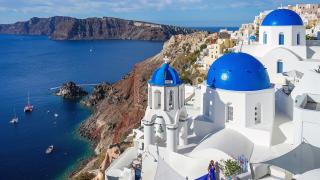
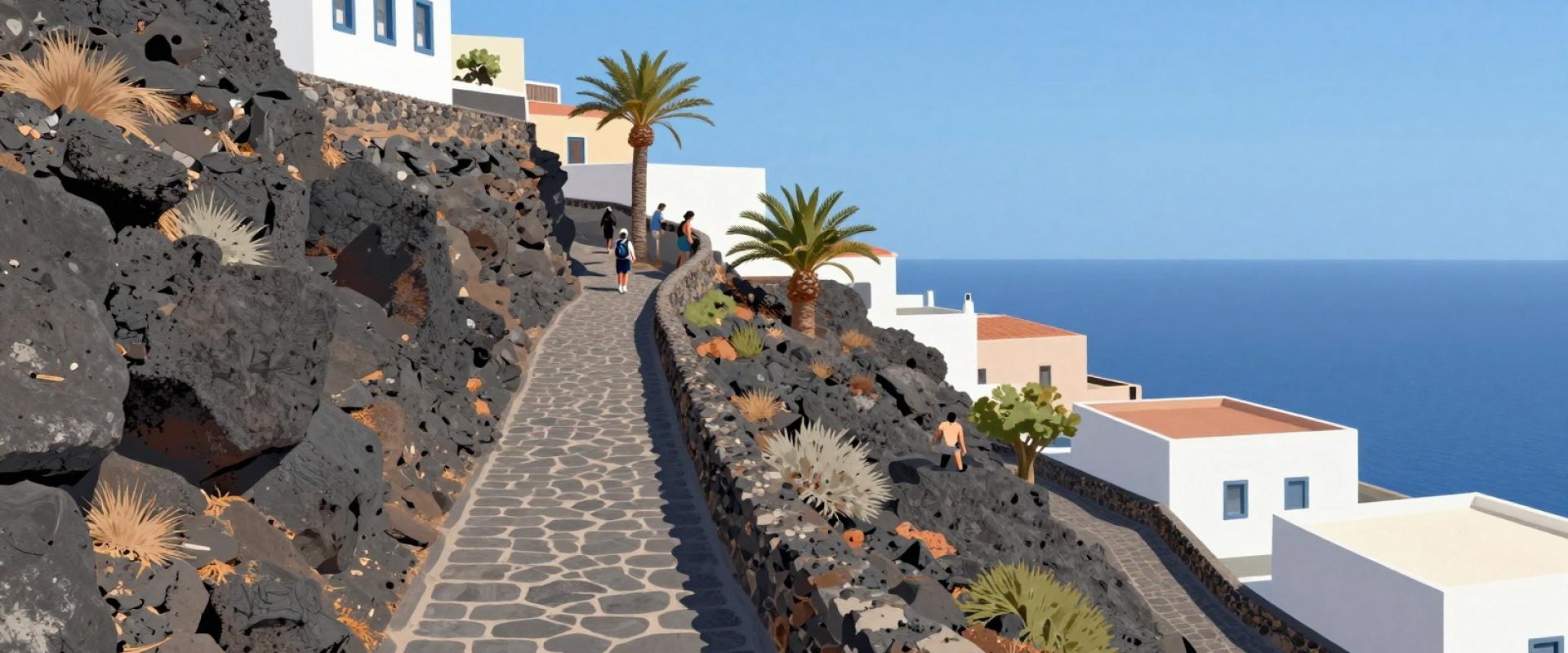
The Aegean Sea does not whisper; it roars against the jagged spine of Santorini’s caldera. Standing on the rim, the air is thick with the scent of sulfur and salt, a visceral reminder of the island’s violent volcanic birth. Below, the black, jagged lava rocks contrast sharply with the blinding white of the cliff faces, creating a visual starkness that is both arresting and humbling. This is not merely a landscape; it is a geological statement.
The trail connecting Fira to Oia is not a casual stroll. Spanning roughly 11 kilometers, the route demands physical respect. It is a rugged ascent and descent through volcanic terrain, ranking among the most dramatic hikes in the Aegean. Yet, for those who prepare, the effort is rewarded with a perspective few ever witness: a front-row seat to the earth’s rawest beauty.
The Ascent: Walking the Caldera’s Edge
The journey begins in Fira, the island’s bustling capital. From the center, the path winds upward, leaving the noise of the town behind. The initial stretch is deceptively gentle, winding through whitewashed villages where bougainvillea spills over white-washed walls. But as the trail climbs higher, the landscape opens up, revealing the sheer drop of the caldera.
This is not a gentle walk in the park. The terrain is uneven, composed of loose volcanic soil and hard, black lava rock. The trail is well-maintained, but it is not easy. The elevation gain is significant, and the midday sun can be unforgiving. It is crucial to start early, catching the cool morning light before the heat turns the hike into a grueling endurance test. By the time you reach the higher ridges, the air is thinner, cleaner, and the view is nothing short of breathtaking.
The Visual Reward: A Masterclass in Contrast
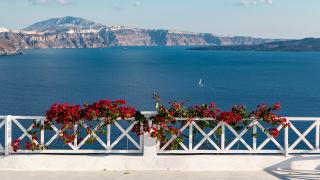
The true magic of this hike lies in the visual feast. As you traverse the caldera, the landscape unfolds in a series of dramatic vistas. To one side, the deep, unbroken blue of the Aegean Sea stretches to the horizon. To the other, the stark, black lava rock of the volcanic crater creates a striking contrast. The interplay of light and shadow across the rugged terrain is hypnotic.
This is not just a view; it is an immersion. The scale of the caldera is so vast that it can feel disorienting. The sheer drop to the sea below is a constant, humbling reminder of nature’s power. It is a place where time seems to slow, allowing you to pause and take in the sheer magnitude of the landscape.
Practical Guide: Gear, Timing, and Safety
Timing is Everything The best time to hike is during the shoulder seasons: March to June and September to November. During these months, the temperatures are mild, and the light is perfect for photography. Avoid the midday sun, which can be brutal and increase the risk of heat exhaustion. Early morning is ideal, allowing you to beat the crowds and the heat.
Footwear is Critical Do not wear flip-flops or smooth-soled shoes. The terrain is uneven, with loose rocks and steep drops. Sturdy hiking boots or trail runners with good grip are essential. The volcanic soil can be slippery, especially in the early morning or after rain.
Hydration and Sun Protection There are no water refill stations along the trail. Pack at least 2 liters of water per person, and more if you are sensitive to heat. High-SPF sunscreen, a wide-brimmed hat, and sunglasses are non-negotiable. The sun is intense, and the reflection off the white cliffs and sea can be blinding.
Crowds and Pace This is one of the most popular hikes in Santorini. It is not uncommon to encounter groups of tourists, especially in the peak summer months. To avoid the crowds, start early. The trail is wide enough for two people to pass, but be mindful of others. Take your time, find your balance, and let the landscape guide you.
For those seeking a quieter experience, the Skaros Rock offers an alternative. It is a shorter, steeper climb, but the panoramic views are equally spectacular. The Skaros Rock is a prominent outcrop that offers a different perspective on the caldera, with a more intimate and secluded feel.
The Skaros Rock is a popular spot for photography, but it can get crowded. For a more peaceful experience, consider visiting in the early morning or late afternoon. The light is softer, and the crowds are thinner.
The Final Stretch: Reaching Oia
The trail ends in Oia, the island’s most famous village. The journey from F to O is a journey of transformation, from the rugged volcanic terrain to the polished, white-washed streets of the capital. It is a journey that leaves a lasting impression, a reminder of the power of nature and the beauty of the human spirit.
As you reach the end of the trail, take a moment to pause. Look out over the sea, feel the sun on your face, and take in the view. It is a moment of peace, a moment of connection with the natural world. It is a moment that will stay with you, long after you have left the island.
Final Thoughts: A Journey to Remember
The Fira to Oia hike is more than just a walk; it is an experience. It is a journey of discovery, of challenge, and of reward. It is a journey that will challenge you, but also reward you, with memories that will last a lifetime.
So, lace up your boots, fill your water bottle, and set off. The caldera is waiting. And it is waiting for you.