Day 1: Exploring Paroikia and Naoussa
A balanced day exploring the historic main town, traditional villages, and the iconic marble beaches, concluding with a sunset view.
-
09:00
Visit Panagia Ekatontapiliani
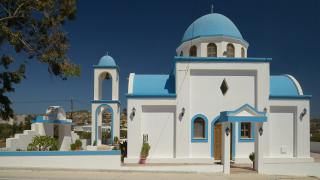
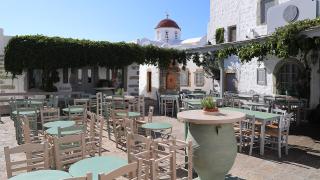
Start your day at the famous 'Church of a Hundred Hairs', a Byzantine masterpiece. Admire the architecture and the peaceful atmosphere in the main square.
-
10:30
Marble Quarries of Paros
Take a short drive to the ancient marble quarries. Walk through the white marble landscape, a site that has supplied marble to the world's greatest artists for centuries.
-
13:00
Lunch in Naoussa
Travel to the charming fishing village of Naoussa. Enjoy fresh seafood or grilled meats at a taverna with a view of the harbor.
-
15:30
Kolymbithes Beach
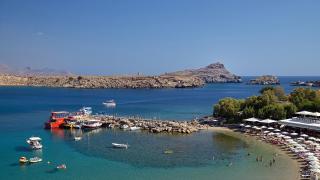
Visit the unique granite rock formations and crystal clear waters of Kolymbithes. Perfect for swimming, sunbathing, or taking photos of the dramatic landscape.
-
18:30
Sunset at Naoussa Harbor
End the day with a leisurely stroll along the Naoussa harbor, enjoying the golden hour, local aperitifs, and the vibrant evening atmosphere.
Where to stay: Stay in Parikia for central access or Naoussa for a more vibrant nightlife scene. Both areas offer excellent boutique hotels and guesthouses.
Getting around: Renting a car or ATV is highly recommended to reach the marble quarries and Naoussa efficiently. Public buses are available but less flexible for a one-day schedule.
Practical Information
The optimal time to visit Paros is between May and October, when the weather is reliably warm and sunny, ideal for beach activities. July and August offer the warmest conditions but also the highest crowds and prices; for a more relaxed experience, consider visiting in late May, June, or September. While the island is accessible year-round, winter months can be windy, potentially limiting beach activities.
Getting to Paros typically involves a ferry ride from Athens’ Piraeus or Rafina ports, with travel times ranging from 3 to 5 hours depending on the vessel type. Fast ferries are significantly quicker but more expensive, while standard ferries offer a more budget-friendly, albeit longer, transit. Once on the island, transportation is best handled by renting an ATV or car. Public bus services are limited and infrequent, making private transport the most practical way to explore the island’s diverse landscapes, from the white-washed villages to secluded beaches.
For accommodation, Paros offers a range of options, but the best areas to stay depend on your preferred atmosphere. Naoussa is ideal for those seeking a vibrant social scene with easy access to boutiques and nightlife, while Paroikia, the main port, offers greater convenience for transportation and dining. For a quieter experience, consider staying in the inland villages or the southern coast near Kolymbithra, which offers a more tranquil setting.
Budget considerations should account for the variable costs of accommodation and dining. While mid-range hotels and guesthouses offer good value, luxury options can be expensive, especially during peak season. Dining costs vary, with traditional tavernas offering affordable local cuisine and upscale restaurants commanding higher prices. Be mindful that many smaller tavernas and cafes may not accept credit cards, so carrying cash is advisable.
When packing, prioritize lightweight, breathable clothing suitable for warm weather, along with sturdy footwear for exploring the island’s rugged terrain. Sun protection is essential, including high-SPF sunscreen, a hat, and sunglasses. Don’t forget swimwear, as well as a light jacket for cooler evenings. Essential items include a reusable water bottle, swimwear, and comfortable walking shoes. Additionally, consider packing a small day bag for daily excursions, carrying essentials like sunscreen, a hat, and a reusable water bottle.