3 days
Extended Patmos Experience
3-day tour of Patmos monasteries, beaches, and villages
View Itinerary →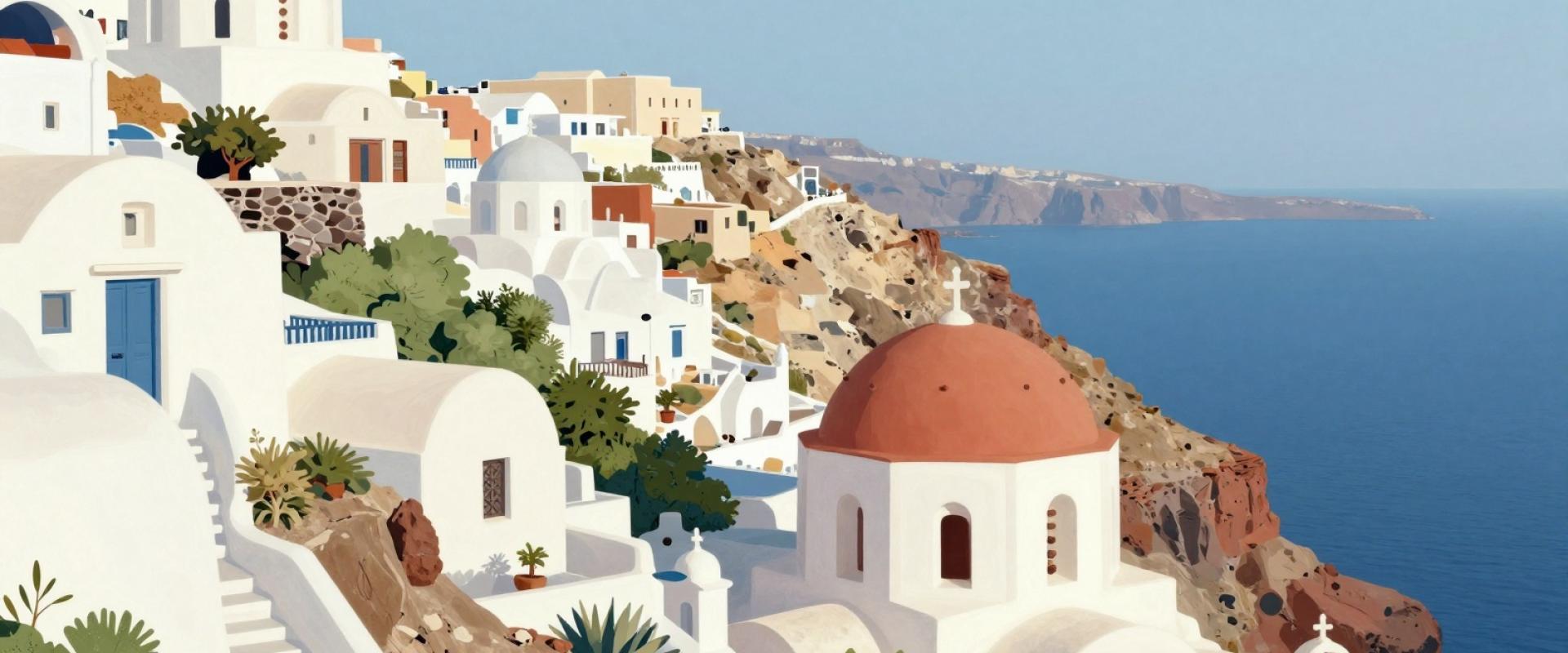
UNESCO heritage sites and monastic history in 2 days
A spiritual and cultural immersion into the heart of Patmos. This day focuses on the UNESCO World Heritage sites, starting with the historic Chora, visiting the Monastery, and concluding at the sacred Cave of the Apocalypse.
Morning Stroll through Chora (Chora)
Start your day exploring the whitewashed, labyrinthine streets of Chora. Visit the local markets, admire the traditional architecture, and visit the Castle (Kastro) for panoramic views of the Aegean.
Monastery of Saint John the Theologian
Visit the iconic monastery located above Chora. Explore the museum, the library, and the main church. This is the spiritual heart of the island and a major pilgrimage site.
Lunch in Chora
Enjoy a traditional Greek lunch at a taverna in the upper town. Try local specialties like grilled fish, fresh vegetables, or local cheese.
Sunset and Aperitivo in Skala
Walk down to the port of Skala. Enjoy a coffee or an aperitivo at a waterfront cafe, watching the sunset over the Aegean Sea. This is a perfect way to unwind after a day of exploration.
Where to stay: Stay in Chora (upper town) for the best views and atmosphere, or in Skala (port) for easier access to ferries and beaches. Both areas are walkable.
Getting around: Most attractions in Chora are within walking distance. For the Cave of the Apocalypse, you can walk (15-20 min) or take a local bus/taxi. No car is needed for this day.
A relaxed day exploring the natural beauty and historical sites of Patmos. Visit the archaeological museum, enjoy the beaches, and explore the quiet village of Kampos.
Archaeological Museum of Patmos
Start the day at the museum to learn about the island's rich history, from the prehistoric period to the Hellenistic era. The collection includes artifacts from the sanctuary of Artemis and other ancient sites.
Relax at Platanistara Beach
Take a short taxi or bus ride to Platanistara Beach. This is one of the most beautiful beaches on the island, with clear waters and a pebbly shore. Perfect for swimming and sunbathing.
Lunch by the Sea
Have lunch at a taverna near Platanistia Beach or in the nearby village of Merski. Enjoy fresh seafood and local dishes.
Hike in Vathy Gorge
Take a short drive to the Vathy Gorge. This is a beautiful natural area with a small stream and lush vegetation. It is a great place for a short, refreshing walk.
Explore Kampos Village
Visit the traditional village of Kampos, known for its neoclassical mansions. It is a quiet and charming area, perfect for a gentle evening stroll.
Where to stay: Stay in the same location as Day 1 for convenience. Skala or Chora are both excellent choices.
Getting around: A car or scooter is recommended for this day to visit the various sites (Archaeological Museum, Platanistia, Vassy). Alternatively, local buses are available but less frequent.
3-day tour of Patmos monasteries, beaches, and villages
View Itinerary →