- Hours
- Open daily 08:00-17:00 (winter) or 08:00-20:00 (summer/seasonal). Last entry is 30 minutes...
- Where
- Athens, Attica
- Directions
- Directions
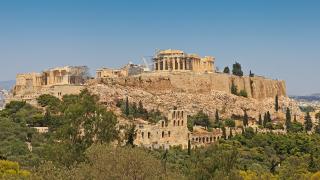
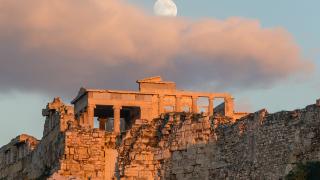
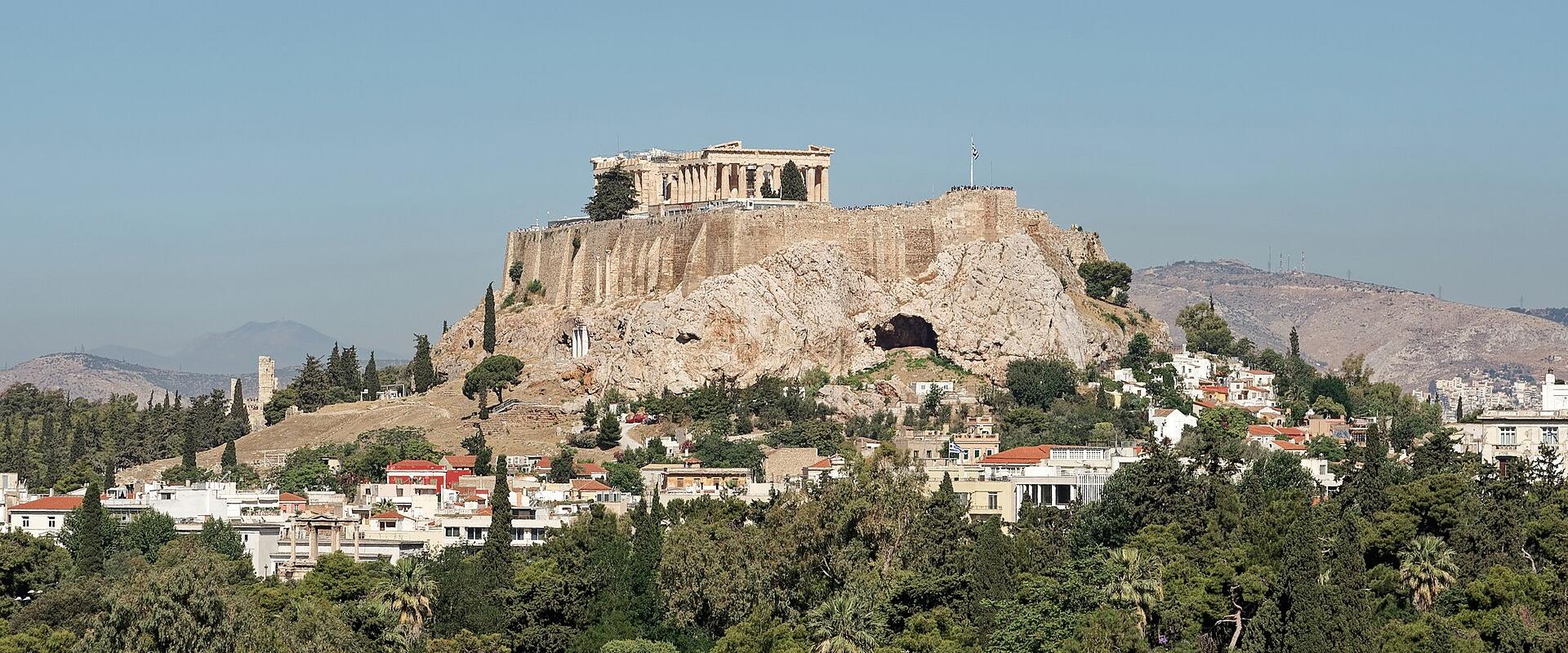
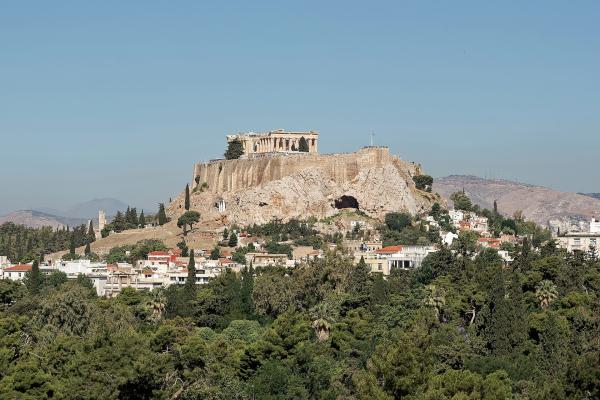
Rising some 150 metres above the centre of Athens, the Acropolis, a UNESCO World Heritage Site and the best-known landmark in Greece, is a flat-topped limestone outcrop that has served as fortress, sanctuary and symbol of Greek identity for well over two thousand years. People lived on it in the Neolithic period, a Mycenaean wall circled it in the Bronze Age, and in the fifth century BC the statesman Pericles launched the building programme that produced the monuments visitors climb to see today. The sculptor Phidias oversaw much of the work, and the whole rock was conceived as a sacred precinct for Athena, patron goddess of the city.
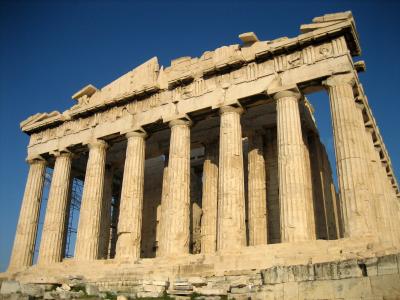
The approach is the best introduction. A steep path winds up the western slope to the Propylaia, the monumental gateway designed by the architect Mnesikles, with the small, elegant Temple of Athena Nike perched on a bastion beside it. Beyond the gate the Parthenon fills the summit, its Doric columns of Pentelic marble still catching the light even with scaffolding and cranes a permanent part of the scene, because restoration work has gone on for decades. On the north side the Erechtheion draws a different kind of attention: its porch is held up by six maidens carved in stone, the famous Caryatid figures. The figures on the rock are replicas; the originals are protected indoors in the Acropolis Museum at the foot of the hill.
What you see is as much about loss as survival. The Parthenon served as a Christian church and later a mosque, and in 1687 a Venetian bombardment ignited gunpowder stored inside by the Ottomans, blowing out the middle of the building. Sculptures were carried off in the early nineteenth century, and the debate over their return continues. Walking the summit, it helps to look at the walls too, where Byzantine, Frankish and Ottoman repairs are layered over classical stone.
The views are a reward in themselves. From the edge of the rock you can pick out the Temple of Olympian Zeus, the Panathenaic Stadium, Mount Lycabettus and, on a clear day, the Saronic Gulf. Below the south wall lie the Theatre of Dionysus and the Odeon of Herodes Atticus, both worth a glance from above.
The summit is exposed, with little shade and polished marble underfoot that becomes slippery, so sturdy shoes matter. Early morning and late afternoon bring cooler air, softer light and thinner crowds. Visitors should allow at least two hours, longer if you want to read the signs, and pair the visit with the Parthenon, the Ancient Agora and the Plaka neighbourhood below, which together reflect the roots of Western civilisation, covering the story from the sacred hill down to the everyday city.
Categories
More photos coming soon
Opening Hours
- Open
- Open daily 08:00-17:00 (winter) or 08:00-20:00 (summer/seasonal). Last entry is 30 minutes before closing.
Hours and prices change, especially out of season. Check with the venue before you go.
Nearby Attractions
Other places to visit in Athens
Parthenon
Ancient Greek temple atop the Acropolis
Ancient Ruins · Monuments
Acropolis Museum
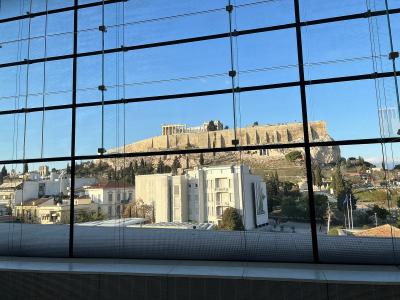
Museum of ancient Greek art in Athens
From €10 Archaeological Museums · Museums
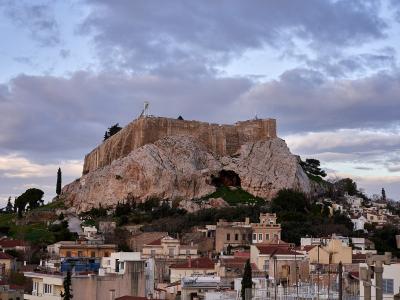
Plaka Neighborhood
Athens' oldest neighborhood beneath the Acropolis
Churches · Historic Districts
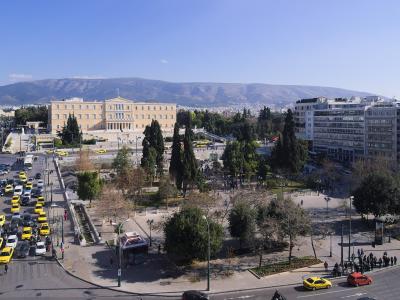
Syntagma Square
Athens' central square with the Hellenic Parliament
Free Historic Sites & Ruins · Urban & Local Life
Questions people ask
Quick Facts
Best Time to Visit
April to June and September to October offer mild weather and fewer crowds.