







- Hours
- Winter: 08:00–17:00; Summer: 08:00–20:00 (last entry 30-60 min prior)
- Where
- Athens, Attica
- Directions
- Directions
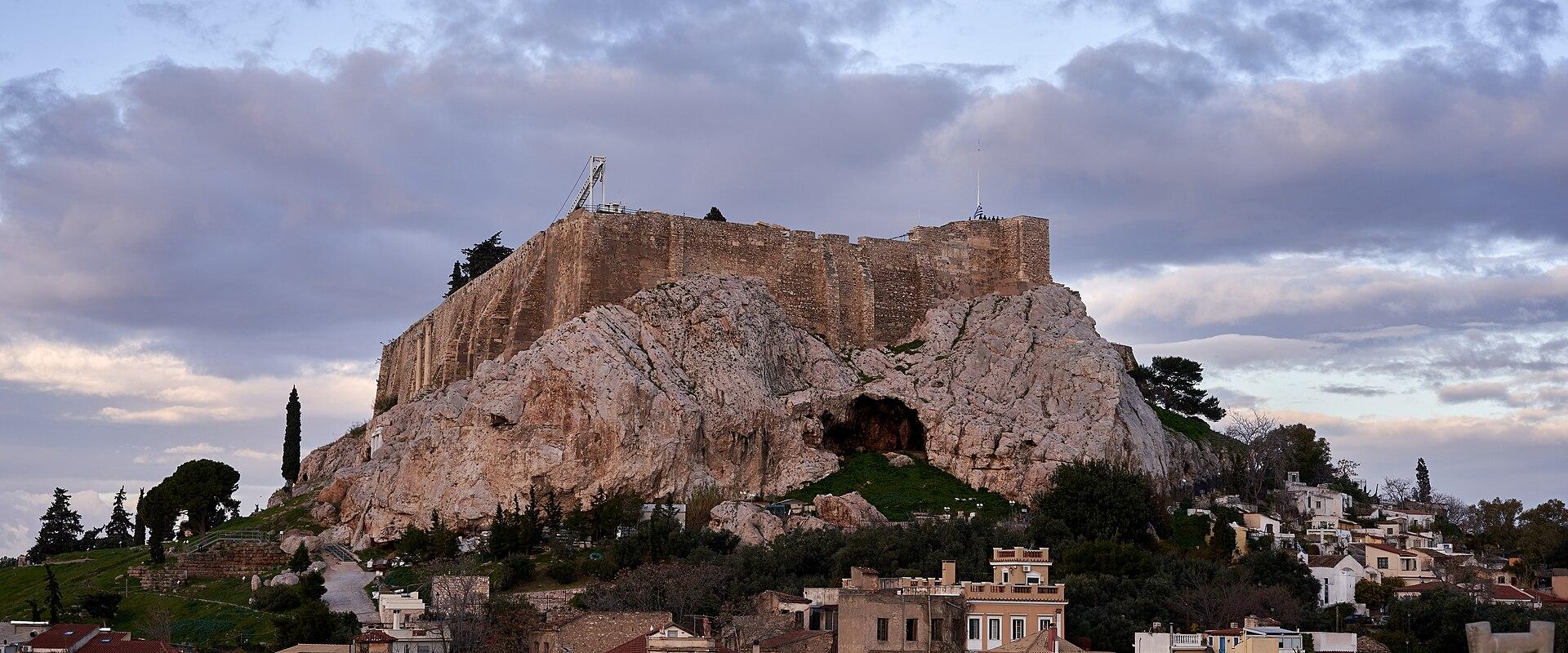
Plaka occupies the slope on the north and east side of the Acropolis, and it is often called Athens’ oldest neighbourhood because people have lived on this ground for thousands of years. What you walk through now is mostly a nineteenth-century and early twentieth-century town, with neoclassical houses, small squares, pedestrian lanes and old churches layered over much older remains. Traffic is limited to a few streets, so the district is easy to explore on foot and has a village-like pace despite sitting in the centre of a capital.
The area between Monastiraki and Syntagma Square holds several landmarks. The Roman Agora, with the Tower of the Winds, an octagonal marble clock tower from the Roman period, lies at the western edge, and Hadrian’s Library is nearby in the Monastiraki direction. The Choragic Monument of Lysicrates, a small circular monument from the fourth century BCE, stands at the eastern end. The Byzantine Church of Panagia Kapnikarea sits in the middle of Ermou Street, a short distance from Plaka's lanes, and Agios Nikolaos Ragavas, a small church tucked into the slope, is another quiet stop.
Anafiotika is the most unusual corner. It is a cluster of whitewashed, flat-roofed houses on the upper slope under the Acropolis rock, built in the nineteenth century by stonemasons and builders from the island of Anafi who came to work on the city of the new Greek state. With its narrow steps, bougainvillea and small chapels, it looks more like a Cycladic village than part of Athens. People still live there, so keep voices down and stay on the public paths.
Down in the lanes, Adrianou and Kydathineon streets carry most of the foot traffic, with tavernas, souvenir shops, sweet shops and small museums. Quality varies, and the places with picture menus and touts on the pavement are usually the weakest bet; the side streets reward wandering. Several small museums, including the Museum of Greek Folk Musical Instruments, give a quieter indoor stop.
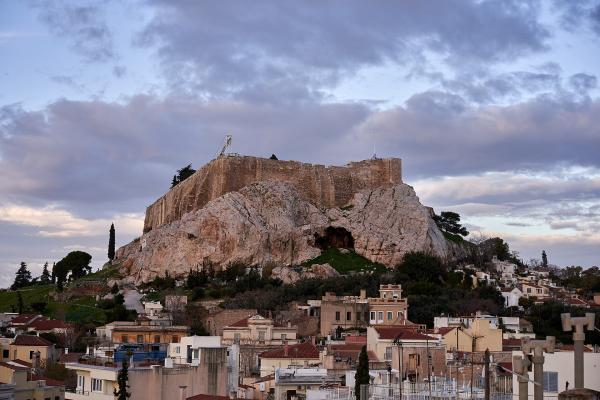
Early morning is the calmest time, when shopkeepers are setting up and the light on the Acropolis rock is clear. Evenings are livelier, and the floodlit rock above the rooftops makes a memorable backdrop for dinner. Surfaces are steep, stepped and often polished by decades of footsteps, so comfortable shoes with grip are worth wearing. Metro stations at Acropoli, Monastiraki and Syntagma ring the district, so you can enter from one side and leave from another.
Categories
More photos coming soon
Opening Hours
- Open
- Winter: 08:00–17:00; Summer: 08:00–20:00 (last entry 30-60 min prior)
Hours and prices change, especially out of season. Check with the venue before you go.
Nearby Attractions
Other places to visit in Athens
Acropolis
5th-century Greek acropolis on a limestone hill
Historic Sites & Ruins · Archaeological Sites
Parthenon
Ancient Greek temple atop the Acropolis
Ancient Ruins · Monuments
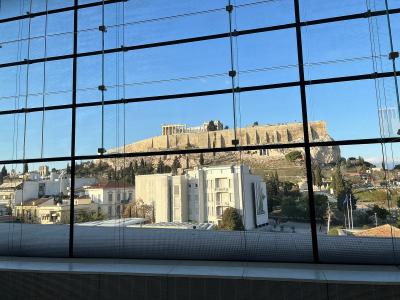
Acropolis Museum
Museum of ancient Greek art in Athens
From €10 Archaeological Museums · Museums
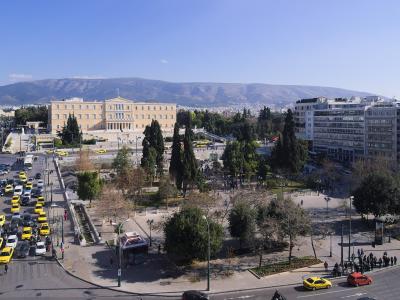
Syntagma Square
Athens' central square with the Hellenic Parliament
Free Historic Sites & Ruins · Urban & Local Life
Questions people ask
Quick Facts
Best Time to Visit
April to June and September to October offer mild weather and fewer crowds.