

Archaeological Museum of Kos
- Where
- Kos, Aegean
- Directions
- Directions
In a modernist building from the period of Italian rule over the Dodecanese, facing Eleftherias Square in the centre of Kos Town, the Archaeological Museum of Kos holds the finds that tell the story of the island from prehistory to late antiquity. Kos was a place of great importance in the ancient Greek world, the home of the sanctuary of Asklepios, the god of healing, and the birthplace of Hippocrates, the physician known as the father of medicine, and many of the museum's pieces relate to those traditions.
The building was constructed in the 1930s, when Italy governed the island, and its simple, rational lines contrast with the Ottoman and medieval buildings around it. An open central hall with galleries around it houses the collection, and the main hall is dominated by marble sculpture. Many of the statues were found in the ruins of the town, in the Asklepieion and in Roman houses, and they include figures of gods and goddesses, portraits and decorative pieces. A statue of Hippocrates from the Roman period is a highlight, and gives a face to the island's most famous son.
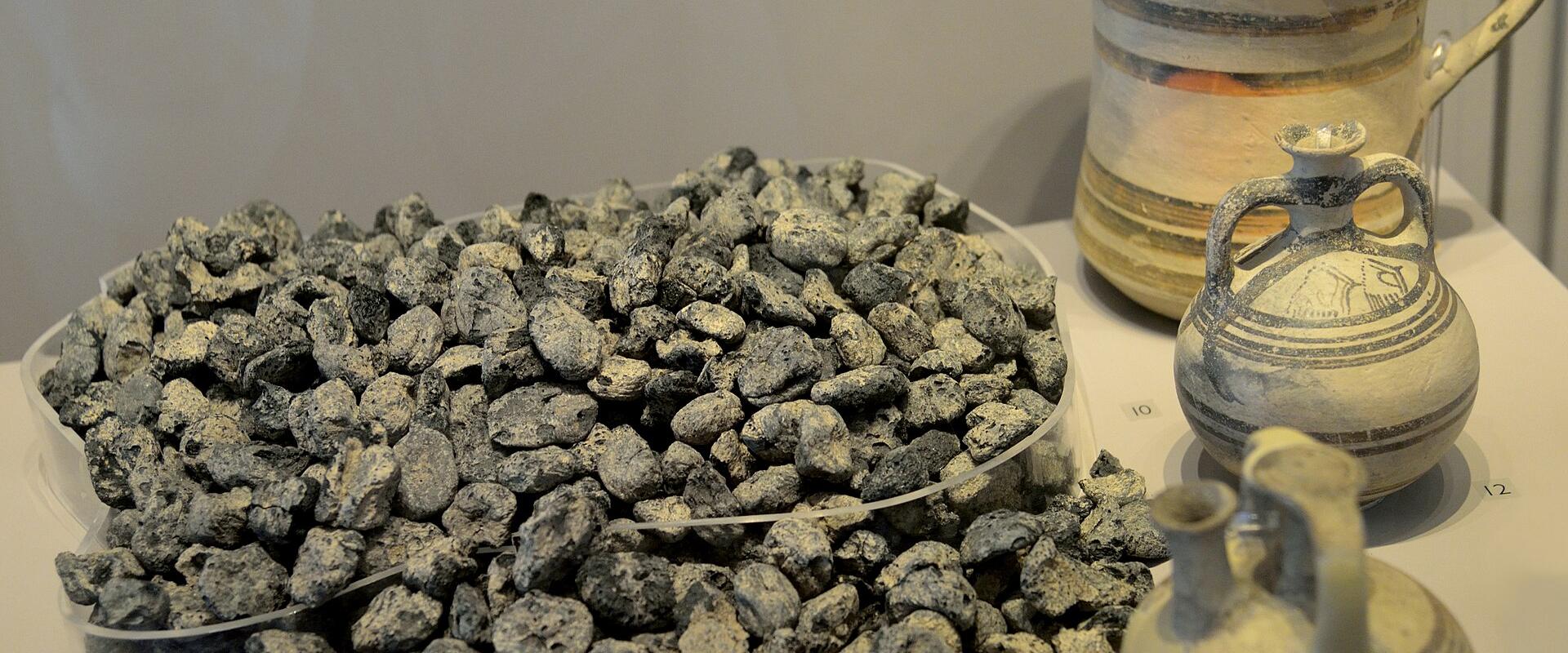
The Hellenistic and Roman periods are the best represented, reflecting the time when Kos was a wealthy and well-connected city of the Aegean. Sculptures from private houses, including pieces connected with the House of the Abduction of Europa, a Roman villa whose mosaic shows Zeus as a bull carrying the princess Europa across the sea, illustrate the taste of the island's elite. Mosaics, small bronzes, pottery, inscriptions and architectural fragments fill the cases, and the displays move through the periods in a straightforward order.
The building also gives access to the remains of a seismic reality: Kos has been hit by earthquakes several times, including a major one in 1933 that destroyed much of the old town and led the Italians to rebuild it, uncovering many ancient finds in the process. The museum is part of that story, as many of the objects came to light during the rebuilding.
Visitors should check the current opening days and hours, which differ between summer and winter, and the museum is usually closed on Tuesdays and on major holidays. A visit takes an hour or so, and the square outside has cafes. The museum fits well into a day that includes the Casa Romana, the ancient agora, the castle of the Knights and the Asklepieion, which lies a few kilometres outside town.
Categories
More photos coming soon
Nearby Attractions
Other places to visit in Kos
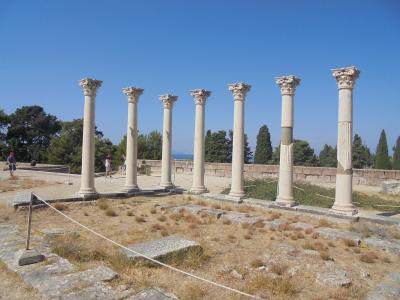
Asklepion
Ancient healing sanctuary on a hillside
From €15 Ancient Ruins · Archaeological Sites
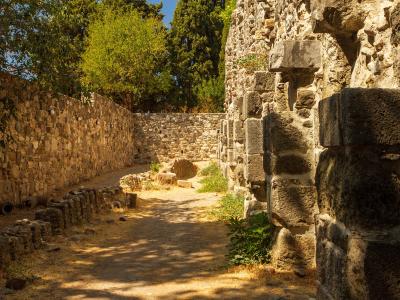
Hippocrates Historical Site
Ancient healing sanctuary on a hillside
From €8 Historic Sites & Ruins · Museums & Culture
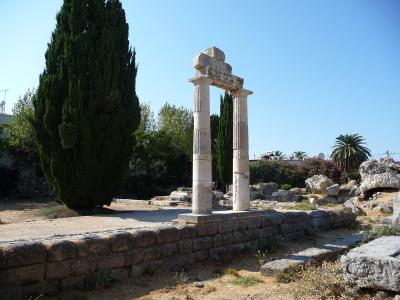
Kos Town (Ancient Ruins/Archaeological Site)
Ancient ruins in central Kos, Greece
Ancient Ruins · Archaeological Sites
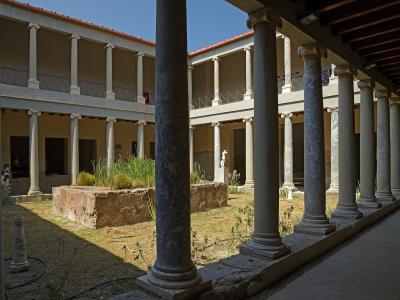
Casa Romana
From €10 Archaeological Sites
Questions people ask
Quick Facts
Best Time to Visit
May to October offers warm, dry weather, with May and June ideal for fewer crowds.