







- Where
- Kos, Aegean
- Directions
- Directions
Kos Town is unusual because its ancient remains sit among cafes, apartment blocks and palm-lined avenues, not behind a fence on the edge of the city. A powerful earthquake in 1933 flattened much of the town, and the Italian administrators who ruled the island then cleared the rubble and found Hellenistic and Roman ruins underneath. They planned the rebuilt town around these discoveries, which is why the ancient and modern city are so closely woven together.
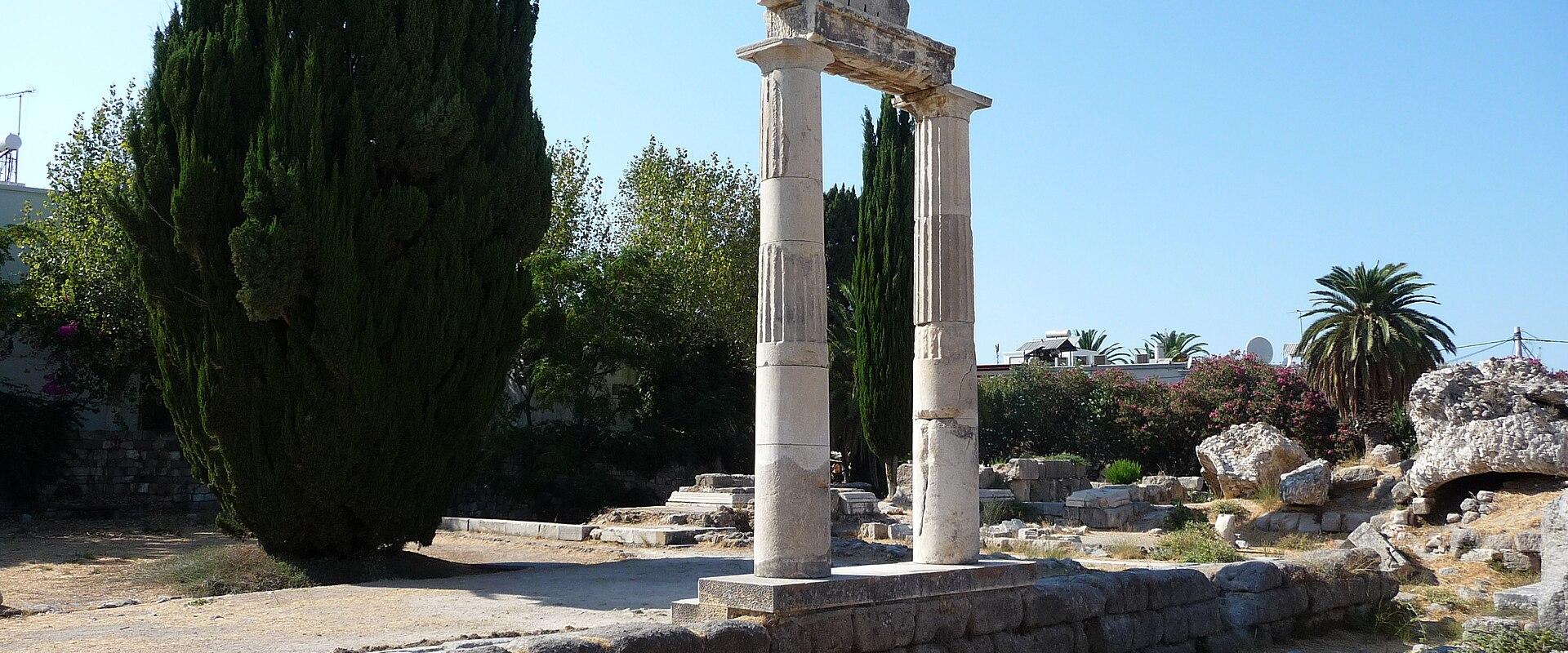
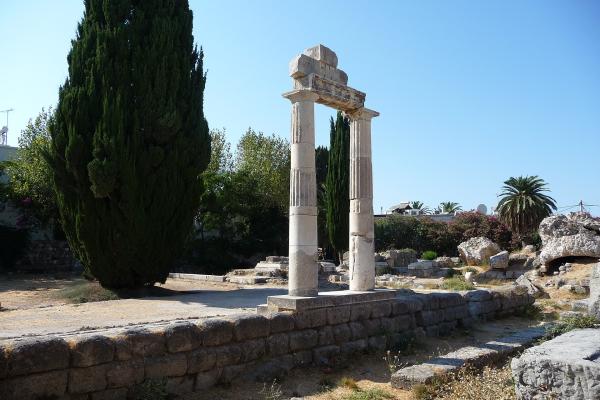
In the middle of town, the ancient agora, the main market and civic square of the old city, spreads across an open field of low walls, columns and foundations, including the remains of a temple of Aphrodite and a Hellenistic stoa. A short walk away, the Western Excavation Zone shows a Roman neighbourhood, with paved streets, mosaics, the remains of baths and houses, and a colonnaded main street. Nearby, the Roman Odeon, a small, semicircular theatre with marble seating, has been restored and is sometimes used for concerts. The Casa Romana, a large third-century Roman house with mosaics around a series of courtyards, was also uncovered after the earthquake and gives a good sense of domestic life for the wealthy.
Hippocrates is part of the town's identity. Near the castle, on a square beside the sea, an enormous plane tree known as the Plane Tree of Hippocrates is said to mark the spot where he taught. The tree is much younger than the tradition suggests, but it is a landmark, and the square beneath it is a good place to stop. A short distance beyond is the harbour, dominated by the Castle of the Knights of St John, called Neratzia, built in the fifteenth century and connected to the town by a bridge across what was once a moat.
The Ottoman period has left its own marks, among them mosques with slender minarets and a few fountains, so the town as a whole has Greek, Roman, medieval and Ottoman layers in close view.
Everything is within an easy walk, and many visitors rent a bicycle, since Kos is flat and has an extensive cycle path network. The Archaeological Museum, in Eleftherias Square, houses statues and mosaics from the island's ancient sites and is a helpful place to begin. Opening hours vary by site and season, and some areas of the town are free to walk. The Asklepion lies outside the town, a short drive or cycle ride away. A relaxed day might take in the agora in the morning, a long lunch in the shade, and the castle in the evening light.
Categories
More photos coming soon
Nearby Attractions
Other places to visit in Kos
Asklepion
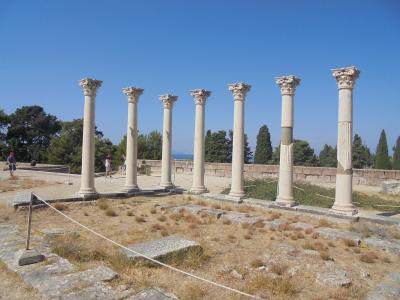
Ancient healing sanctuary on a hillside
From €15 Ancient Ruins · Archaeological Sites
Hippocrates Historical Site
Ancient healing sanctuary on a hillside
From €8 Historic Sites & Ruins · Museums & Culture
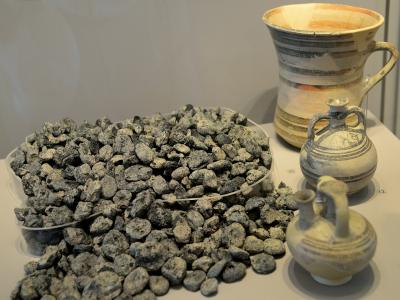
Archaeological Museum of Kos
Archaeological Museums
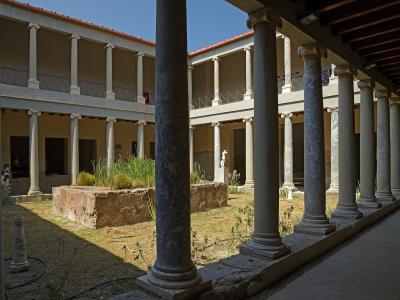
Casa Romana
From €10 Archaeological Sites
Questions people ask
Quick Facts
Best Time to Visit
May to October offers warm, dry weather, with May and June ideal for fewer crowds.