







Kalamata Archaeological Museum
- Where
- Kalamata, Peloponnese
- Directions
- Directions
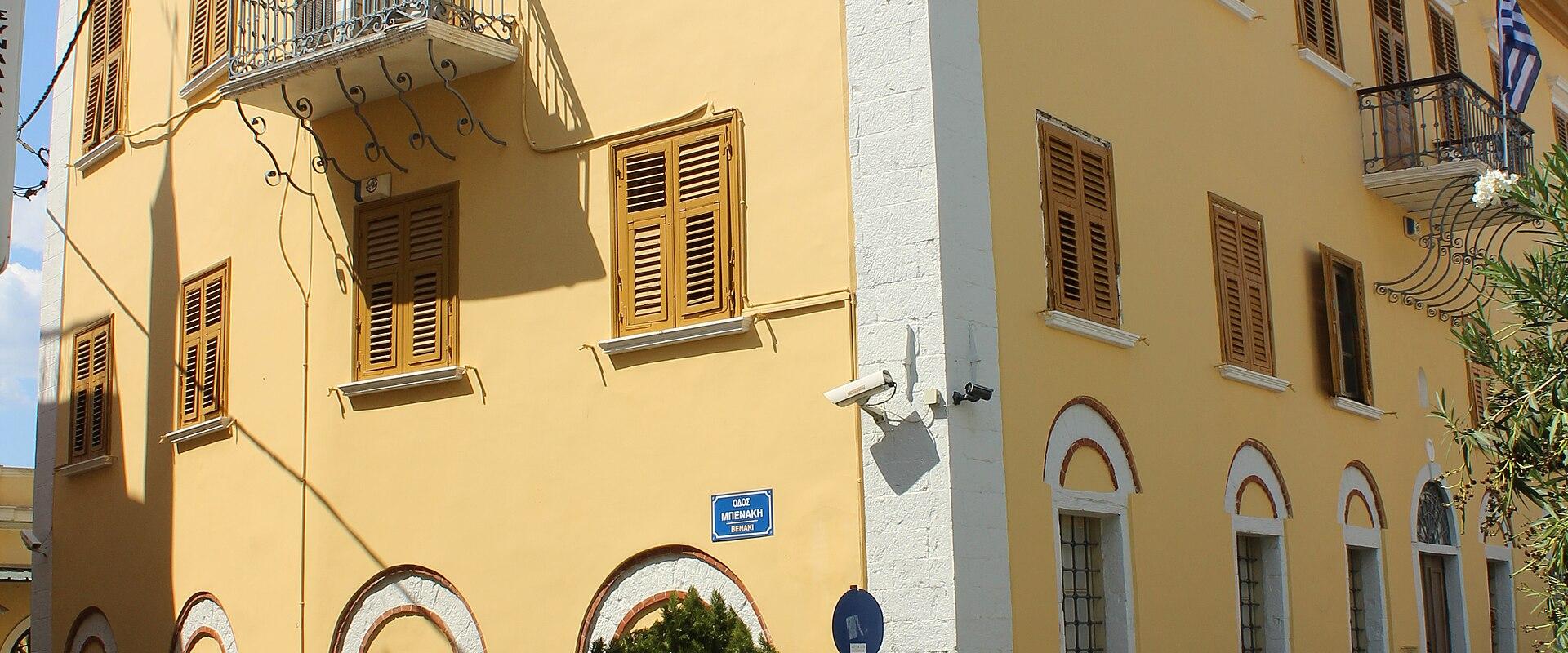
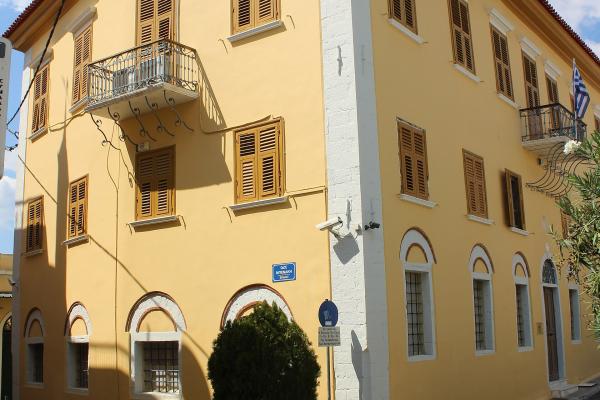
The Archaeological Museum of Kalamata occupies a nineteenth-century building in the old part of the city, close to the market and the old railway station, and it is the main museum for the archaeology of the western Peloponnese. The house, built in the vernacular style with a tiled roof, an attic and arched windows, was given to the local archaeological society by Antonios Benakis, a member of the Benaki family, who had been born in the area, and it was converted into a museum with the support of the local community.
The collection is arranged by geographical area, which helps visitors see how different parts of Messenia developed. One section covers the Kalamata region, the others Messene, Pylia and Triphylia, the lands around the ancient city of Messene, the area of Pylos and the hills to the north. The finds range from prehistoric pottery of the fifth millennium BC to Byzantine objects, which makes it possible to follow the story of the area through successive periods without leaving the building.
Among the exhibits are items from the Mycenaean world, when Messenia was one of the main centres of Greek civilisation, and the nearby Palace of Nestor at Pylos was among the greatest of its time. Pottery, jewellery, seals, weapons and vessels from tombs reveal the wealth of those centuries. Classical and Hellenistic cases hold painted vases, bronze objects and coins, and the Roman and Byzantine rooms show lamps, glass, sculpture and the early Christian era in the area. Because Ancient Messene is only a short drive away, many of its sculptures and inscriptions are shown here, and the museum is the best preparation for a visit to the site.
The building itself is part of the pleasure. Its wooden staircases, tall rooms and shaded courtyard give a sense of a provincial Greek house of a prosperous family, and the contrast between the building and its ancient contents is appealing. The galleries are small and calm, with labels in Greek and English.
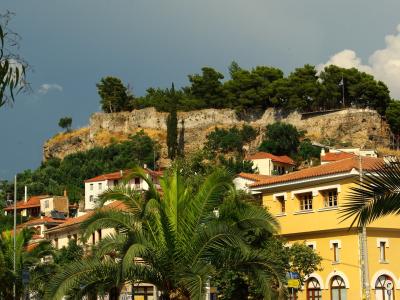
A visit takes about an hour, and many people go in the morning before heading to the old town, the castle and the market. Opening hours and prices change seasonally and follow the state schedule, so confirm before visiting. The museum is close to the centre and easy to reach on foot, and it is a good option on a hot or rainy day. Pair it with the Kalamata Castle above the town and a stroll through the old streets.
Categories
More photos coming soon
Nearby Attractions
Other places to visit in Kalamata
Questions people ask
Quick Facts
Best Time to Visit
Greece enjoys a Mediterranean climate with warm summers and mild winters, making it ideal for visiting year-round.