Kalamata
Coastal city in the Peloponnese known for olive oil and ancient ruins
History and Cultural Heritage
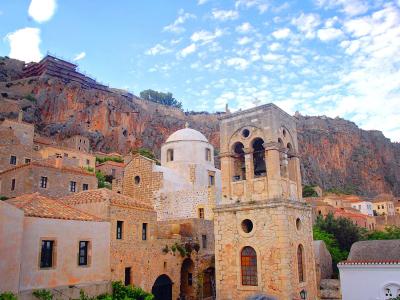
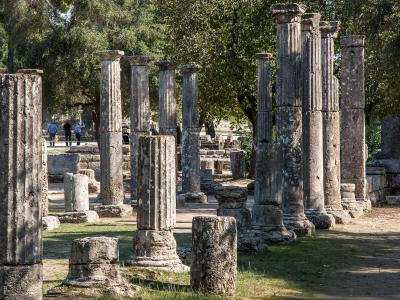
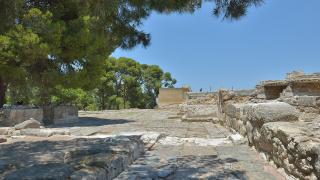
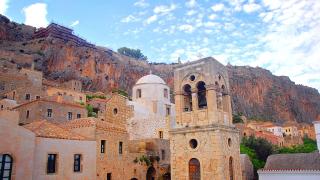
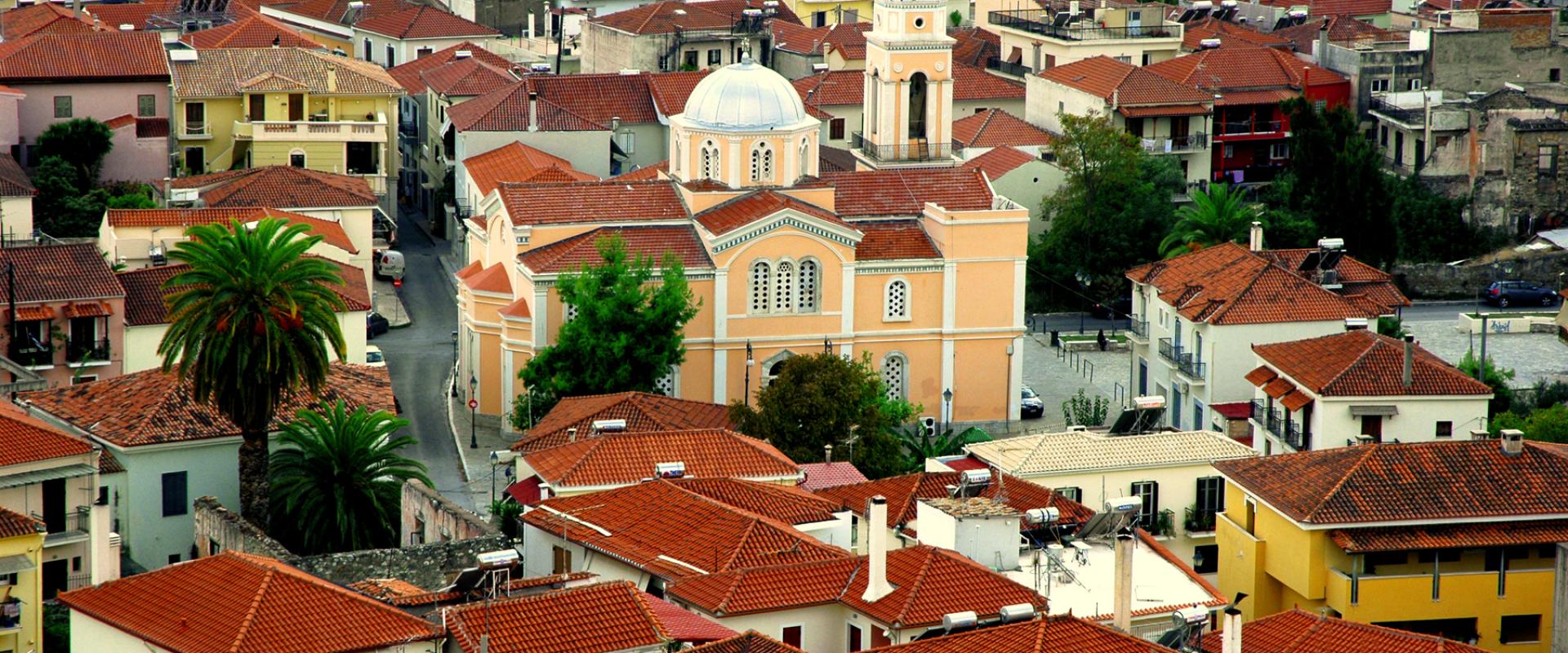
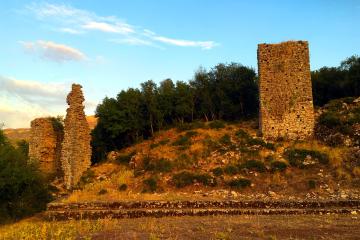
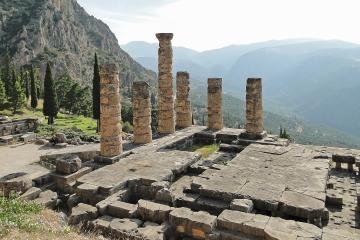
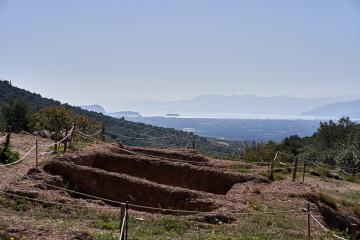
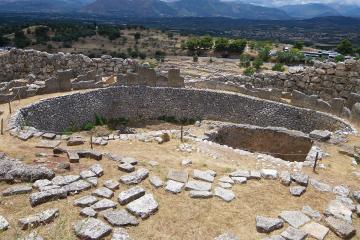
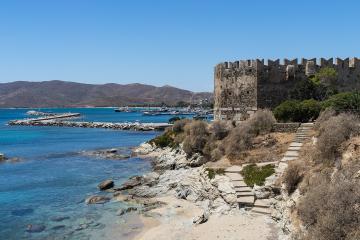
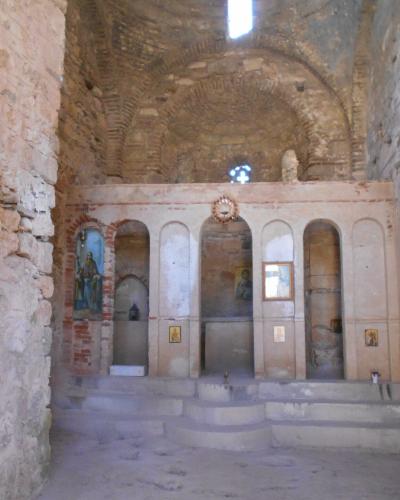
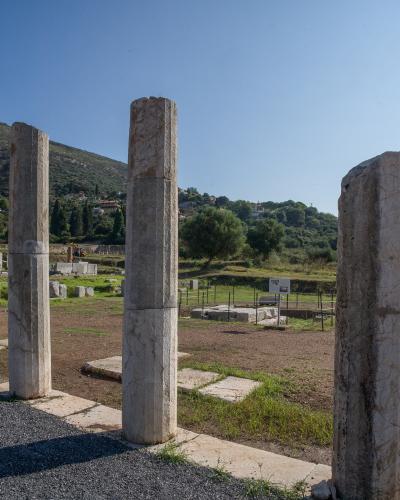
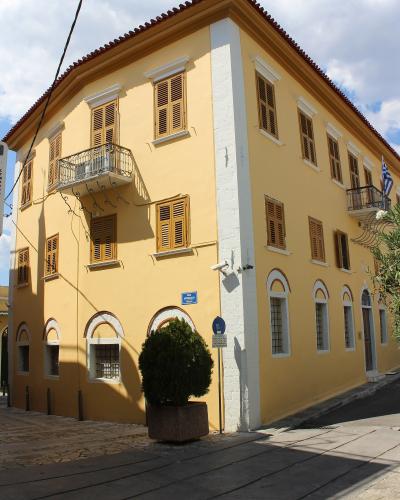
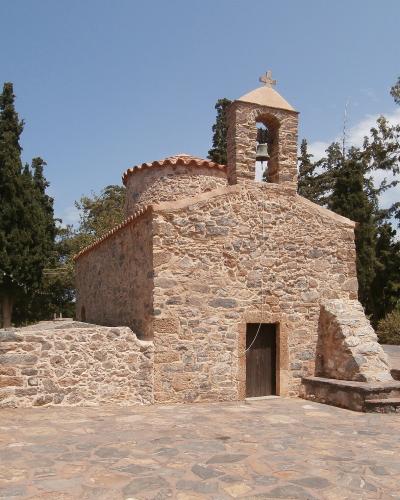
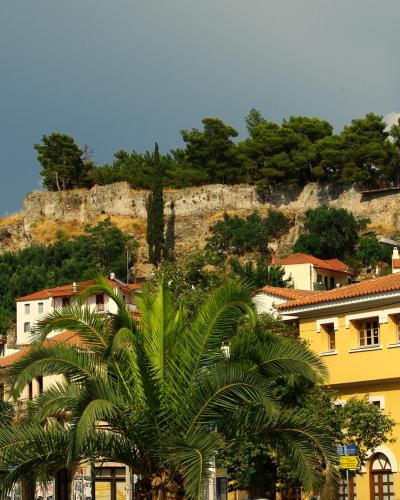
Kalamata, the capital of the Messenia region, serves as the cultural and economic heart of the southwestern Peloponnese. Its history is deeply rooted in the ancient city of Messene, which was founded in the 4th century BC and became a major center of the Achaean League. The modern city developed around the Byzantine and Frankish periods, with the Kalamata Castle standing as a testament to its strategic importance. The castle, originally built by the Franks and later modified by the Byzantines and Ottomans, overlooks the city and the Messinian Gulf. The region has long been associated with the cultivation of olives, a tradition that dates back centuries and remains central to the local identity. The city’s layout reflects its historical evolution, with a compact old town featuring neoclassical architecture that emerged during the 19th and early 20th centuries. The Church of the Holy Apostles, located in the old town, is a notable example of this architectural heritage. The area’s history is also marked by its role in the Greek War of Independence, with local heroes contributing to the struggle for freedom. This rich historical tapestry is preserved in museums and archaeological sites, offering visitors a glimpse into the region’s past.
Main Attractions
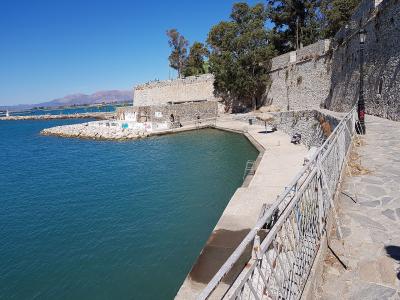
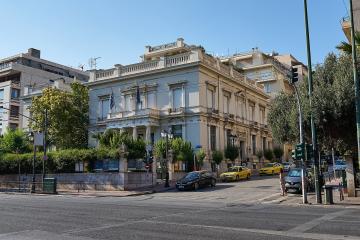
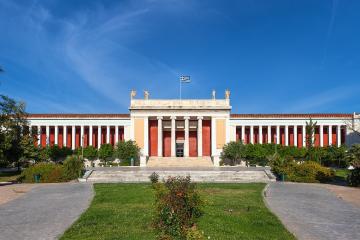
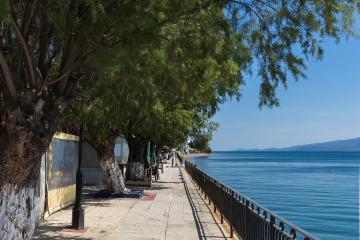
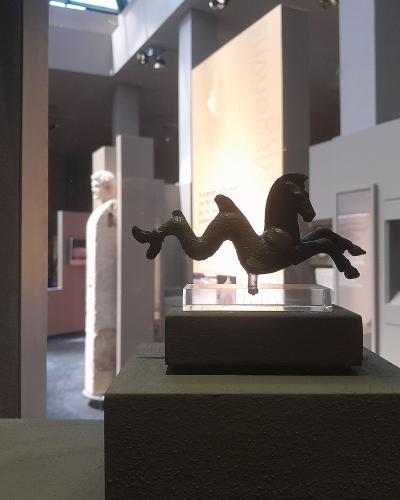
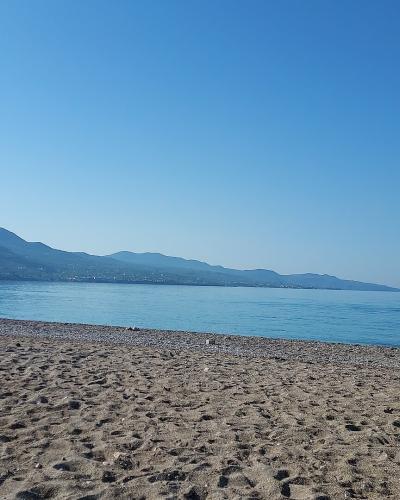
The Kalamata Castle is the most prominent landmark, offering panoramic views of the city, the gulf, and the Taygetos Mountains. Visitors can explore the fortress walls and learn about the city’s medieval history. The old town is a charming area with narrow streets, neoclassical buildings, and the Church of the Holy Apostles, which features intricate frescoes. The Navarinou Avenue, a wide promenade along the waterfront, is a central hub for socializing, lined with cafes, restaurants, and shops. The Kalamata International Dance Festival, held annually in September, is a major cultural event that attracts performers and audiences from around the world, highlighting the city’s vibrant artistic scene. The Archaeological Museum of Kalamata houses artifacts from the ancient city of Messene and other sites in the region, providing context to the area’s historical significance. Nearby, the Polylimnio Waterfalls offer a natural contrast to the urban landscape, with seven cascading pools surrounded by lush vegetation. The city’s long sandy beach is a popular spot for relaxation, with clear waters and amenities for visitors.
Activities
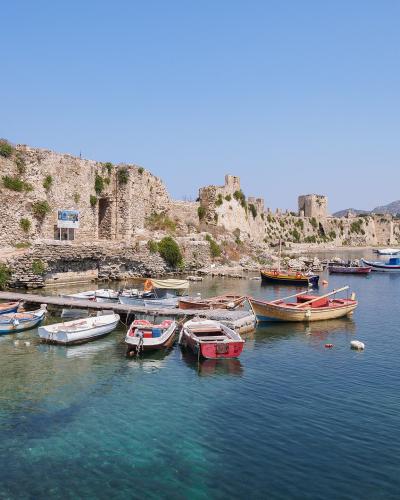
Visitors to Kalamata can engage in a variety of activities that highlight the region’s natural and cultural offerings. Walking through the old town allows for the exploration of historical sites and local shops. The waterfront promenade is ideal for leisurely strolls, with views of the sea and the castle. Food tours are a popular activity, offering samples of local products such as Kalamata olives, sfela cheese, and regional wines. Olive oil tasting experiences provide insight into the region’s agricultural heritage, with visits to olive groves and production facilities. Beachgoers can relax on the main beach or explore nearby options at Verga and Santova, which offer quieter settings. Day trips to nearby attractions are easily accessible, including the medieval castles of Methoni and Koroni, the ancient ruins of Messene, and the Byzantine monastery of Mystras. Hiking in the Taygetos Mountains offers opportunities for nature exploration and panoramic views. The city’s compact size makes it easy to navigate on foot, while renting a car is recommended for exploring the surrounding region.
Getting There
Kalamata is accessible by air and road. The Kalamata International Airport (KLX) is located approximately 15 kilometers from the city center, with regular flights from Athens and seasonal international flights. The journey from Athens by car or bus takes approximately three hours, covering a distance of about 240 kilometers. Regular bus services operate from Athens and other major cities in the Peloponnese, providing a cost-effective option for travelers. Once in Kalamata, the city center is walkable, and public buses connect the old town to the beach and other areas. Renting a car is highly recommended for those wishing to explore the surrounding region, including the Mani peninsula and the western Peloponnese. Taxis are available in the city, though they can be expensive for longer distances. The city is well-connected by road, with major highways linking it to other parts of the Peloponnese.
Best Time to Visit
The best time to visit Kalamata is during the shoulder seasons of April to June and September to October. During these months, the weather is mild and pleasant, ideal for walking and outdoor activities, while the crowds are smaller than in the peak summer months. Spring brings blooming flowers and comfortable temperatures, while autumn offers warm days and clear skies. Summer (July and August) is peak season, with hot weather and high crowds, particularly on the beaches. This is the best time for swimming and sunbathing, but visitors should expect higher prices and limited availability in accommodation. The Kalamata International Dance Festival, held in September, is a major cultural event that attracts visitors. Winter months are mild but can be rainy, with some businesses operating with reduced hours. For a balance of good weather and fewer crowds, late spring and early autumn are the optimal choices.
Plan Your Visit to Kalamata
Essential travel tips and information for your trip to Kalamata.
Suggested Itineraries
One Day in Kalamata
1 dayPerfect for a quick visit. See the main highlights and get a taste of local culture.
Extended Kalamata Experience
2-3 daysComprehensive exploration including nearby attractions and cultural experiences.
Travel Tips
Currency
EUR • Cards widely accepted
Language
Greek • English in tourist areas
WiFi
Free WiFi in cafes and hotels
Explore Kalamata by Interest
Discover attractions and experiences in Kalamata organized by your interests and travel preferences.
All attractions in Kalamata
Sorted by our recommendation score
Quick Facts
Book your stay
Frequently Asked Questions
More destinations in Peloponnese
Explore other amazing places in the Peloponnese region