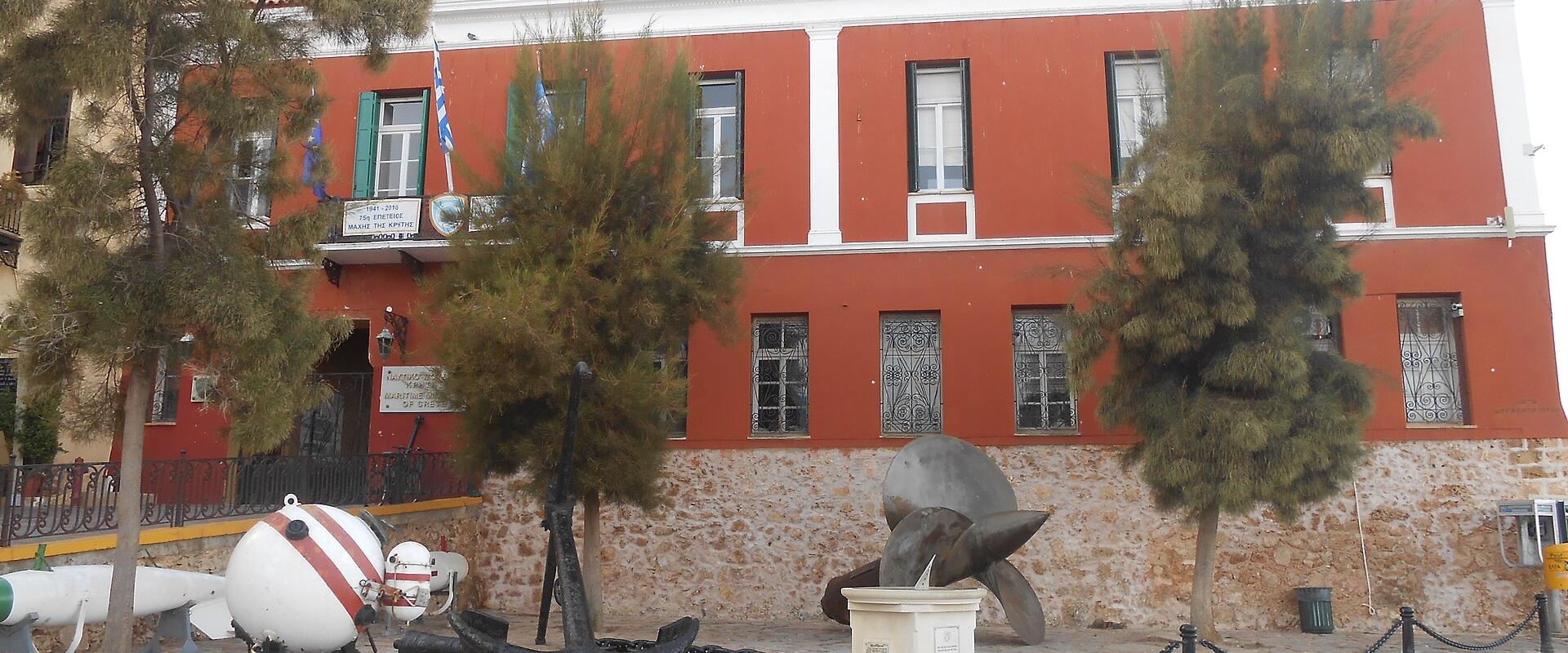
Maritime Museum of Crete
- Where
- Chania, Crete
- Directions
- Directions
At the entrance to the old harbour of Chania, a stout Venetian fortress called Firka guards the water, and inside it lies the Maritime Museum of Crete. The fortress, built in the seventeenth century to defend the harbour, has a special place in modern Greek history: it was here, on 1 December 1913, that the Greek flag was raised to mark the union of Crete with Greece, a landmark in Crete’s modern history, after centuries of Venetian and Ottoman rule, in the story of the Cretan seafarers who sailed the Mediterranean. A visit to the museum therefore combines naval history with a monument of national memory.
The museum was founded in May 1973 on the initiative of naval officers and local citizens who wanted to preserve the seafaring traditions of the island, and it has since grown into one of the most substantial maritime collections in Greece. The displays are arranged in broad chronological order, beginning with the Bronze Age, when the Minoan culture is thought to have controlled the Aegean through its ships and trade, a power the ancient Greeks later called a thalassocracy, rule of the sea. Models and illustrations show the ships of the period, and the story continues through ancient and Byzantine times.
Among the highlights are models of ancient vessels, including a reconstruction of the merchant ship found off Kyrenia in Cyprus and dated to the fourth century BC, one of the best-preserved ancient wrecks. The Byzantine section explains the Dromon warship and the famous weapon called Greek fire, a flammable liquid projected from tubes that gave the Byzantine navy a decisive edge. The ground floor is devoted to the Venetian period, with a large model of Chania’s old fortifications and harbour, which helps visitors read the town they have just walked through.
Later rooms cover the naval history of modern Greece and Crete, with ship models, uniforms, flags, weapons, charts and photographs. The museum also contains items related to the sea battles and wartime experiences of the island, and the exhibits are labelled in Greek and English. Visitors will find that a visit generally takes an hour, longer for those with a strong interest in ships.
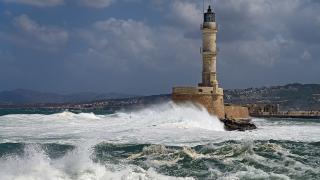
The Firka fortress itself deserves attention. From its walls, visitors can look over the Venetian harbour, the lighthouse and the roofs of the old town, and the terrace is a pleasant place to rest. The museum is a short walk from the Municipal Market and the old town streets, and it makes a good rainy day option in Chania. Opening hours vary by season, so it is worth checking before going.
Categories
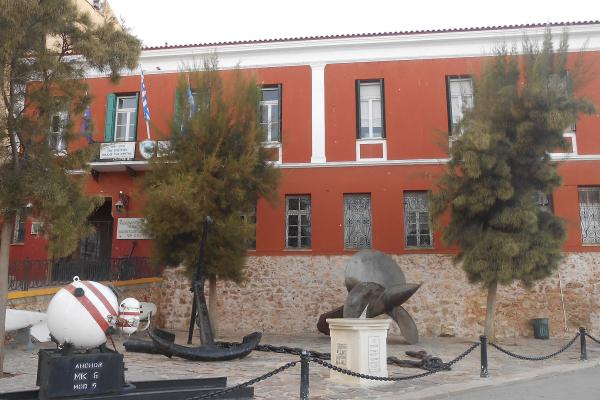
More photos coming soon
Nearby Attractions
Other places to visit in Chania
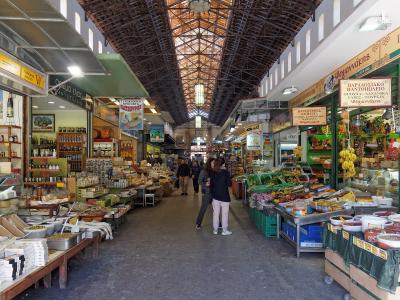
Agora Market (Chania Municipal Market)
1913 cross-shaped market in Chania, Crete
Free Markets · Town Centers
Laiki Agora (Local Market)
Open-air market in Chania, Greece
Free Markets
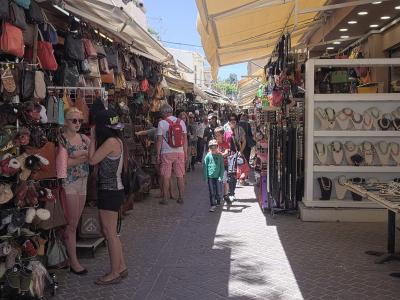
Rue Du Cuir (Skridlof Street)
Historic street of traditional Cretan boot makers
Historic Districts · Markets
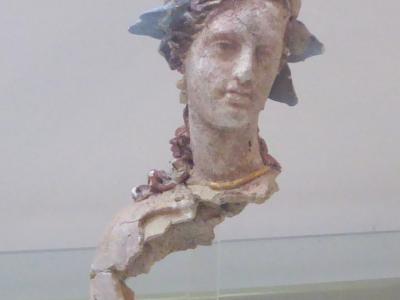
Archaeological Museum of Chania
Archaeological Museums
Questions people ask
Quick Facts
Best Time to Visit
May to October offers warm, dry weather ideal for beach activities and exploring, with July being the hottest month.