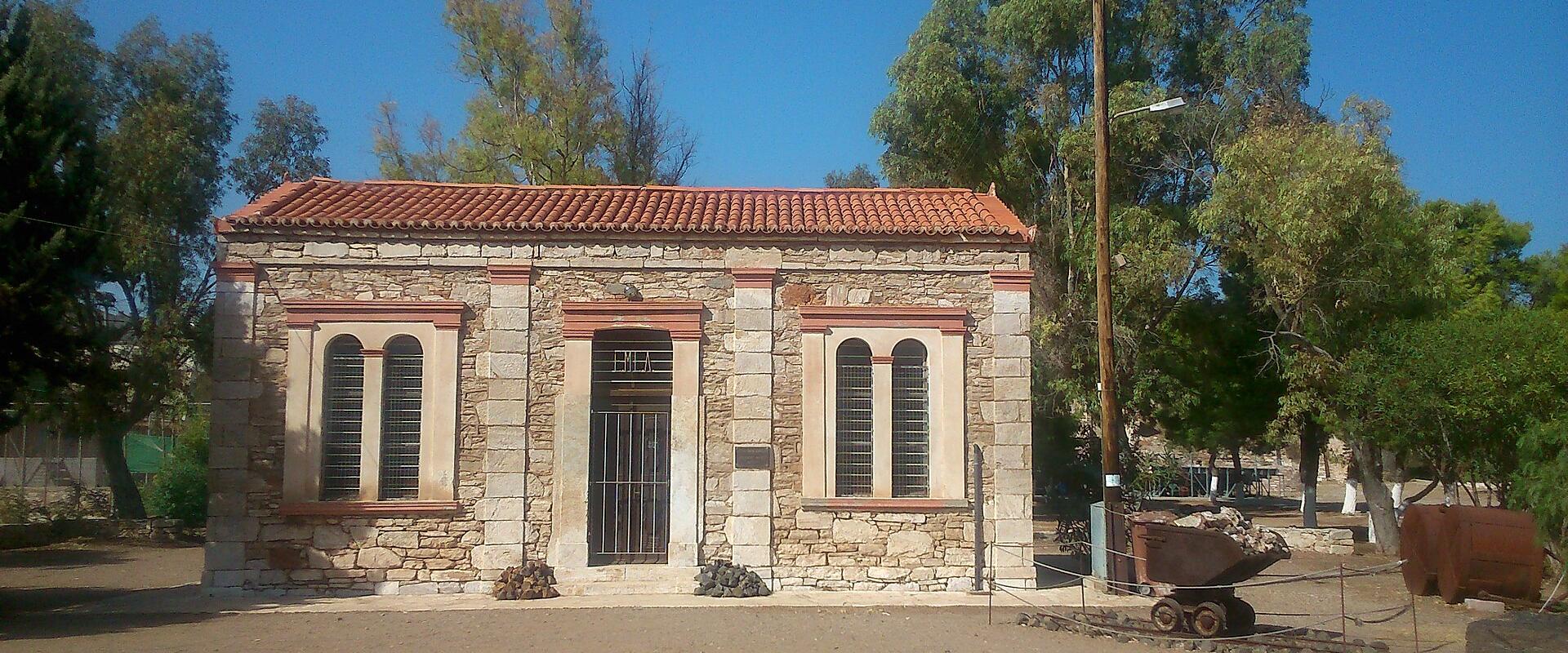
Mineralogical Museum of Lavrion
- Where
- Lavreotiki, Attica
- Directions
- Directions
The hills south of Athens, around the town of Lavrio, hold one of the most famous mining districts of the ancient world. The silver of Laurion paid for the Athenian fleet that won the battle of Salamis in 480 BC, after the statesman Themistocles persuaded the city to spend a windfall from the mines on warships, and the same ground later yielded lead, zinc and a remarkable variety of rare minerals. The Mineralogical Museum of Lavrion tells that story through the stones themselves, in the region the Greeks call Lavreotiki, in the Attica countryside.
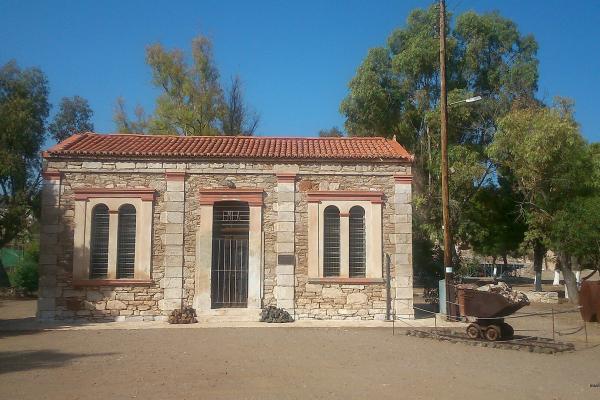
The museum is housed in a restored building from 1875, part of the industrial complex that served the nineteenth-century mining boom in Lavrio. In the 1860s and 1870s, a new generation of engineers realised that the ancient miners had left behind huge heaps of slag still rich in metal, and mining companies, among them a French company, revived the industry on an industrial scale. Lavrio grew into one of the leading industrial towns of Greece, with smelters, chimneys and railways, and the museum building belongs to that era. The collection of Greek minerals was set up in 1986 by the Society for Lavreotiki Studies, and local volunteers still look after it.
The displays focus on the minerals of the district, several hundred specimens that show the variety of the local rocks. Laurion is celebrated among collectors for its rare and colourful crystals, including blue and green copper minerals, delicate needles, pale yellow and violet crystals and several species first described from the area, among them laurionite, named after the mines. Cases arrange the specimens by type, with labels explaining their chemistry and where they were found, and the colours often surprise visitors who expect plain rock.
Another part of the story concerns Andreas Cordellas, the mining engineer and entrepreneur who in the late nineteenth century helped to revive the mines by recognising the value of the ancient slag. A monument to him, unveiled in 1990, honours that role and recalls how closely the town's fortunes were tied to the industry. Photographs, tools and documents set the minerals within the history of work in the mines.
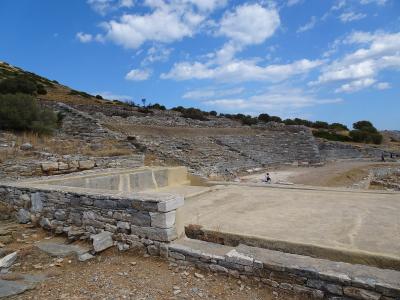
Visitors interested in geology or industrial history, the museum is a small but rewarding stop, and a visit usually takes under an hour. It pairs well with the ancient theatre of Thorikos, a short drive away, whose ruins sit beside ancient mine workings, and with the coast and the temple of Poseidon at Sounion, further south. Opening days are limited, so it is wise to check with the Society before visiting.
Categories
More photos coming soon
Nearby Attractions
Other places to visit in Lavreotiki
Questions people ask
Quick Facts
Best Time to Visit
May through October offers warm, dry weather ideal for exploring the region.