







Necromanteion of Acheron
- Where
- Parga, Epirus
- Directions
- Directions
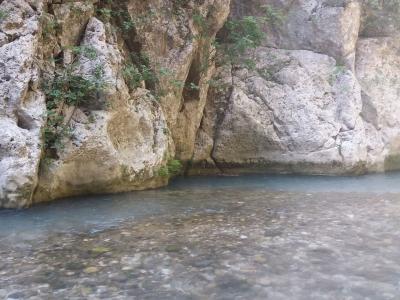
The Necromanteion of Acheron was an oracle of the dead, a sanctuary in the Epirus countryside near the village of Mesopotamos, close to the point where the Acheron River and the Kokytos meet. For the ancient Greeks, the Acheron was one of the rivers of the Underworld, and this region of Thesprotia, with its dark gorge, marshy plain and misty river mouth, was believed to be a gateway to the realm of Hades and Persephone. Homer's Odyssey describes Odysseus travelling to the edge of the world to consult the spirit of the prophet Tiresias, and the story gave the place its fame.
The sanctuary stands on a low hill, in a position that overlooks the fertile plain, in an area connected with the ancient city of Ephyra mentioned in epic poetry. Excavated between 1958 and 1977 by the archaeologist Sotirios Dakaris, the visible building belongs mainly to the Hellenistic period, around the third century BC, and stands on earlier foundations. The remains are surrounded by a massive wall of large, closely fitted blocks, built in a style the Greeks called Cyclopean, along with sections of polygonal masonry, and the whole complex has the feel of a fortified courtyard.
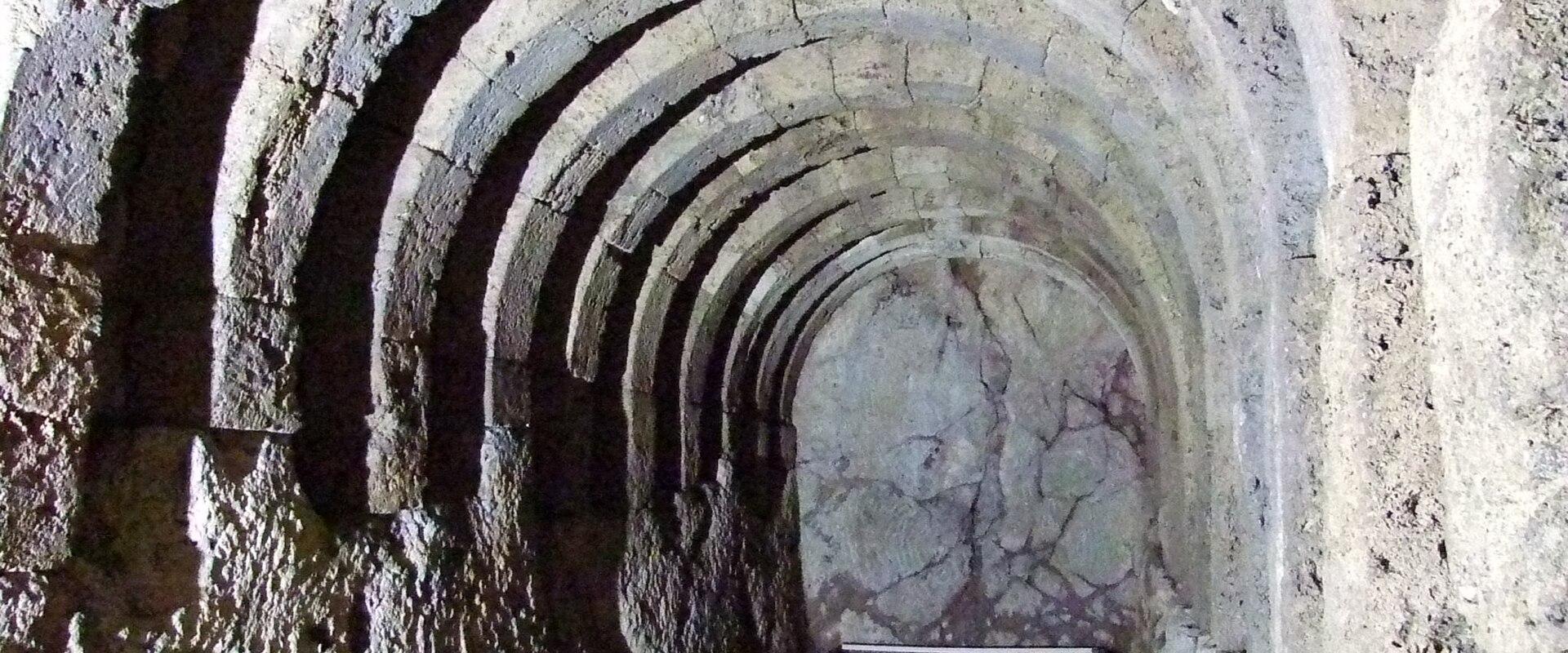
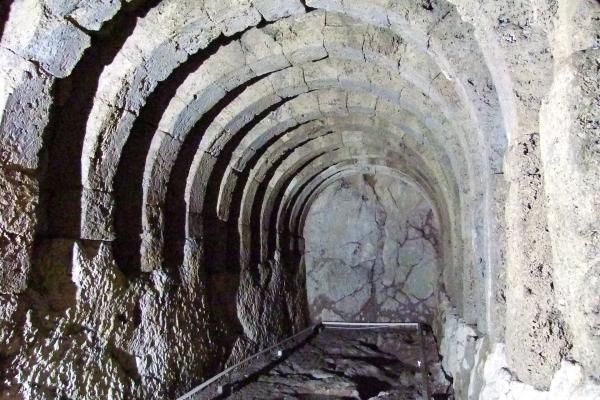
What makes the site special is the layout. Pilgrims are thought to have passed through a series of corridors and rooms, in darkness, as part of a ritual preparation that may have included fasting and special diet, before descending to the central hall. This hall, with a vaulted roof, is the core of the sanctuary and is often described as the chamber where the dead were summoned. Below it lies a stone-lined underground room, half-filled with water in some seasons, and it now has a restrained, sombre atmosphere, with low light and cool air.
Scholars debate how the building was used. Some have argued that it was a large fortified farmhouse of the Hellenistic period, with the underground room used for storage, while others accept the older interpretation as the oracle of the dead. Whatever the truth, the ancient tradition linked this place with the Acheron, and the site is a reminder of how deeply the Greeks associated landscapes with myth.
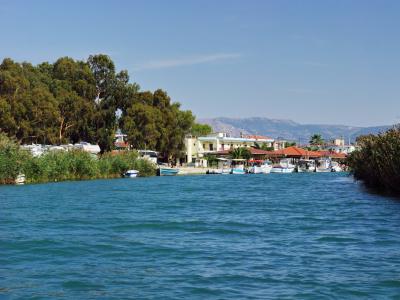
The site is reached by road from Parga, Preveza or Igoumenitsa, with a short walk from the parking area. A small museum explains the finds, and the hillside offers a view over the plain and the river toward the sea. Allow about an hour, bring a hat and water, and combine the visit with the nearby springs of the Acheron and the beach at Ammoudia. Opening hours follow the usual archaeological schedule and vary by season.
Categories
More photos coming soon
Questions people ask
Quick Facts
Best Time to Visit
May through October offers warm, sunny weather ideal for beach activities.