- Where
- Meteora, Thessaly
- Directions
- Directions
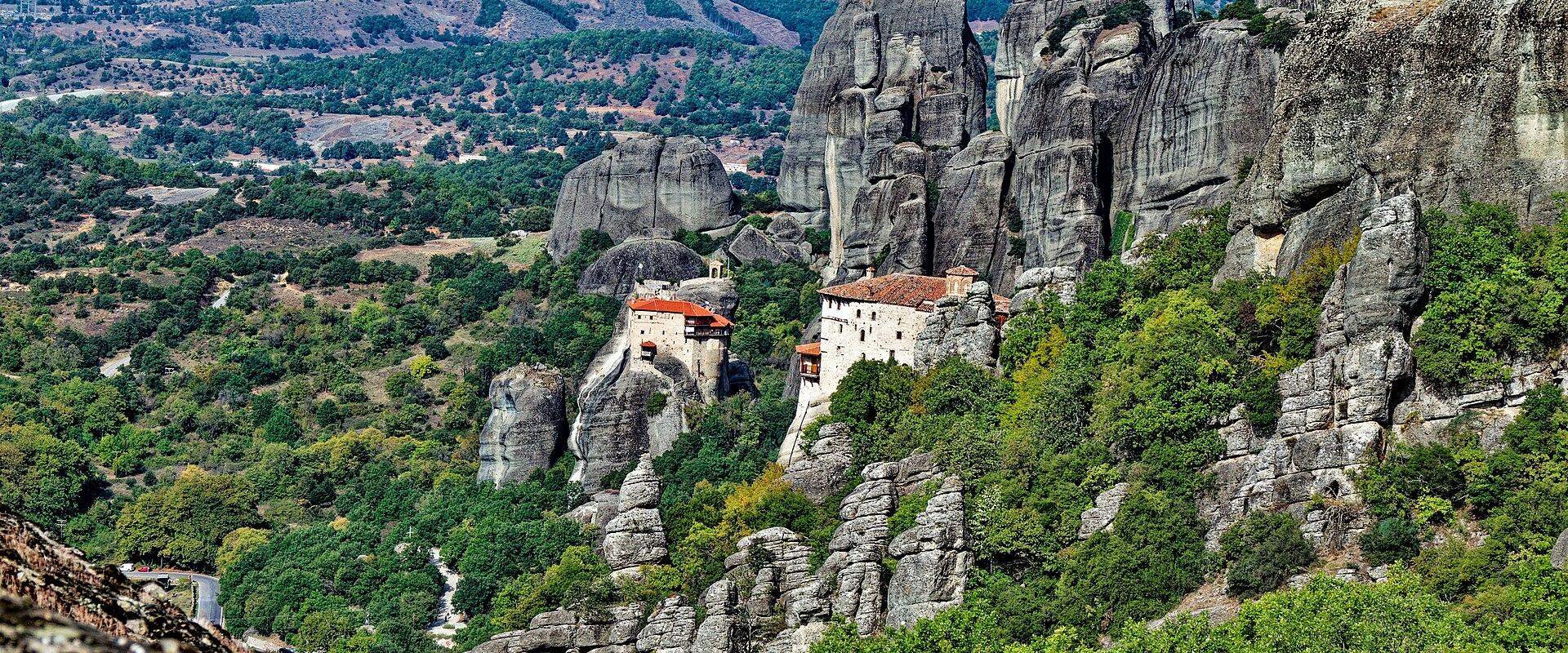
Built on a broad slab of rock known as the Platys Lithos, the Great Monastery is the largest and oldest of the Meteora communities and the one that set the pattern for the rest. Its formal name is the Holy Monastery of the Transfiguration of the Saviour, and it is usually called Megalo Meteoron, the Great Meteoron. The founder was Saint Athanasios, known as the Meteorite, an ascetic monk from Mount Athos who came to the rocks in the fourteenth century and gathered the first monks around him. His successors expanded the site, and by the sixteenth century it was the wealthiest and most influential monastery on the pillars.
The centre of the complex is the katholikon, the main church dedicated to the Transfiguration. It follows a Byzantine cross-in-square plan, with a large dome and a long narthex, and is covered in frescoes from the sixteenth century that show martyrdoms, saints and scenes from the Gospels in dense, dramatic detail. A carved, gilded iconostasis stands before the sanctuary. Part of the experience is simply the light: the church is dark, scented and lit mostly by lamps, and the pictures seem to glow.
Inside the walls, other buildings tell the story of everyday monastic life. The old refectory and the blackened kitchen, with its huge hearth and storage vessels, are preserved and now hold small museum displays of manuscripts, icons, vestments and church silver. Elsewhere, a small ossuary preserves monks' skulls, a sobering reminder of how many generations lived here. A tower on the cliff edge retains the old winch and net used to lift supplies and visitors before stairs were carved into the rock.
The approach is a climb. A flight of rock-cut steps leads up from the road, shorter than the ones at some other monasteries but steep enough that comfortable shoes are a good idea. The monastery belongs to the UNESCO World Heritage listing of Meteora, and visitors should respect its rules. Dress rules apply: shoulders and knees must be covered, and wrap skirts are usually available at the gate for those who need them. Photography inside the church is restricted.
The views from the terraces across the Thessalian plain, the rock pillars and the village of Kastraki are superb. Visitors will find that going early gives the quietest experience, and each monastery in the group closes on one day a week, so check which are open before planning a route. Combining the Great Meteoron with Varlaam, a short distance away, makes a good morning.
Categories
More photos coming soon
Nearby Attractions
Other places to visit in Meteora
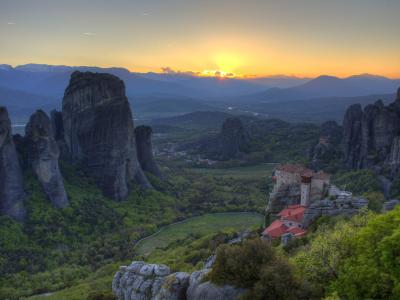
Meteora Rock Formations (Sandstone Pillars)
UNESCO site with monasteries on sandstone pillars
From €5 Natural Landscapes · Religious Heritage
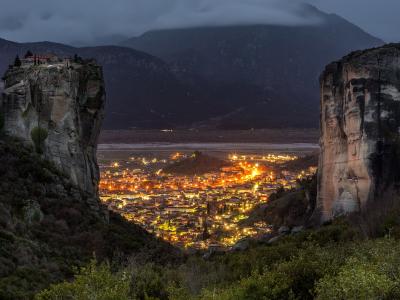
Meteora Monasteries (Six Medieval Monasteries)
Six medieval monasteries on sandstone pillars
Historic Sites & Ruins · Religious Heritage
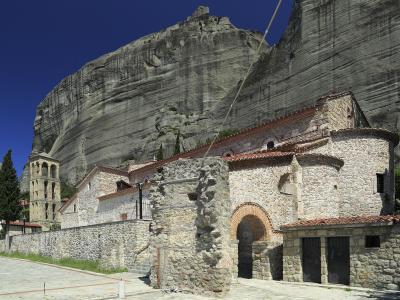
Byzantine Church Of The Assumption
11th-century Byzantine church in Kalambaka
From €2 Historic Sites & Ruins · Churches
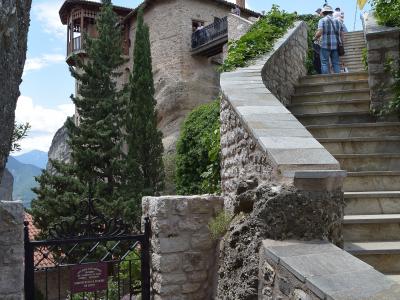
Monastery of Roussanou
From €5 Monasteries
Questions people ask
Quick Facts
Best Time to Visit
April to June and September to October offer mild weather ideal for hiking and exploring.