







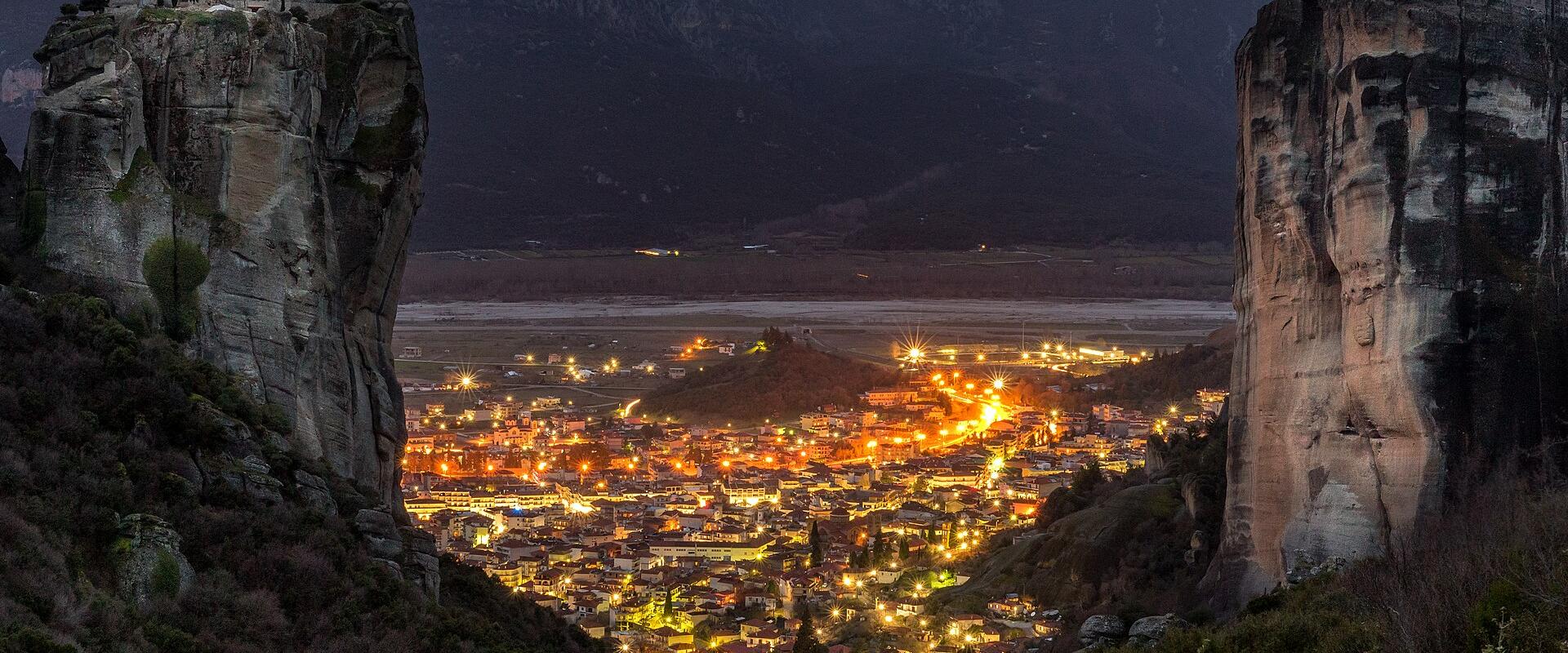
Meteora Monasteries (Six Medieval Monasteries)
Six medieval monasteries on sandstone pillars
- Where
- Meteora, Thessaly
- Directions
- Directions
Six working monasteries still crown the sandstone pillars of Meteora, near the town of Kalambaka in Thessaly, each occupying its own separate rock. Taken together they form one of the most important monastic complexes in the Orthodox world, and UNESCO inscribed the site as a World Heritage Site in 1988. The historic total was twenty-four; the ruins of the rest are visible in the cliffs, though six are the ones that visitors can enter today.
The story begins with hermits who settled in caves and crevices in the rock from about the eleventh century, seeking stillness and distance from the unrest of the Byzantine and later Ottoman lands. Organised communities followed in the fourteenth century, and in the sixteenth century the monasteries reached their height, adding frescoed churches that are among the best examples of post-Byzantine painting. Until stairs were cut into the stone in the 1920s, most were reached only by ladders or by being hauled up in nets.
The six are the Great Meteoron, the oldest and largest; Varlaam, with its fine frescoes and a big wooden winch tower; Roussanou, which sits on a narrow rock and is home to a community of nuns; the Monastery of St Nicholas Anapausas, set low and squeezed on a tight ledge; the Holy Trinity, reached by steps hewn into a sheer cliff and well known to many for its appearance in a James Bond film; and the Monastery of St. Stephen, also run by nuns and reached by a short bridge across a gap, the easiest to visit on foot.
Practical preparation makes the day smoother. The monasteries each have their own entry fee, paid at the gate, and cash is the sensible way to bring it. Each one closes on a different day of the week, and winter hours are shorter, so plan a route that matches what is open. Visitors must dress modestly, with covered shoulders and knees, and photography inside the churches is restricted. Buses and taxis run from Kalambaka, a drive links the monasteries, and footpaths of varying length connect them for walkers.
It is worth allotting a full day for two or three of the monasteries rather than rushing all six. Hours around midday get crowded, so consider arriving early or at the end of the day, when the light is warmer and the pillars take on rust and gold tones.
Categories
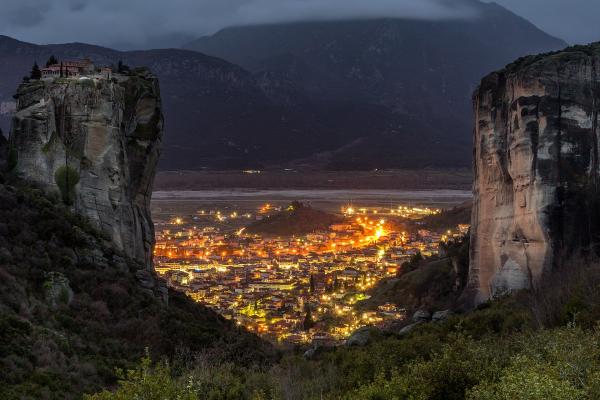
More photos coming soon
Nearby Attractions
Other places to visit in Meteora
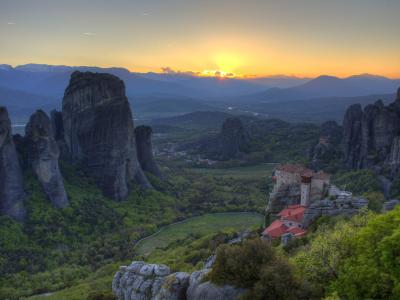
Meteora Rock Formations (Sandstone Pillars)
UNESCO site with monasteries on sandstone pillars
From €5 Natural Landscapes · Religious Heritage
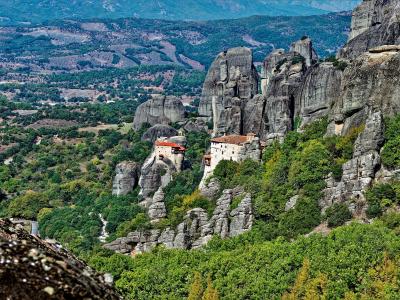
Great Monastery (Great Meteoron)
Oldest and largest monastery in Meteora, Greece
Historic Sites & Ruins
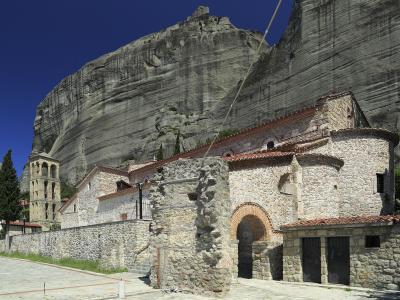
Byzantine Church Of The Assumption
11th-century Byzantine church in Kalambaka
From €2 Historic Sites & Ruins · Churches
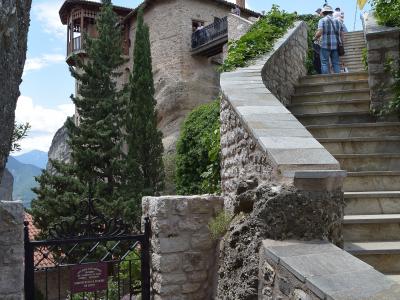
Monastery of Roussanou
From €5 Monasteries
Questions people ask
Quick Facts
Best Time to Visit
April to June and September to October offer mild weather ideal for hiking and exploring.