




Kalamata Olive Tree Museum
Kalamata Olive Tree Museum
The Kalamata Olive Tree Museum, located in the heart of Kalamata, offers visitors a unique insight into the agricultural heritage of the Peloponnese. As the capital of the Messenia region, Kalamata is renowned for its deep connection to olive cultivation, a tradition that defines the local culture and economy. The museum serves as an educational center, highlighting the significance of the olive tree in Greek history and daily life.
Visitors can explore the specific characteristics of the local olive varieties, particularly the Kalamon olive, which is native to this region. This particular cultivar is known for its large, dark purple olives, which are a staple in Mediterranean cuisine. The museum provides information on the cultivation techniques used in the area, including the care required for these trees, such as their need for well-drained soil and protection from extreme weather.
The exhibit also touches upon the historical importance of olive oil, tracing its role in ancient Greek society and its continued relevance in modern cuisine. For travelers, the museum offers a chance to understand the cultural and economic importance of olive oil in the region. While the museum is small, it provides a meaningful context for the region's agricultural traditions. Visitors are encouraged to explore the local markets and shops as well, where they can sample and purchase high-quality olive oil and other local products. This experience provides a deeper understanding of the local way of life and the importance of agriculture in the region.
Categories
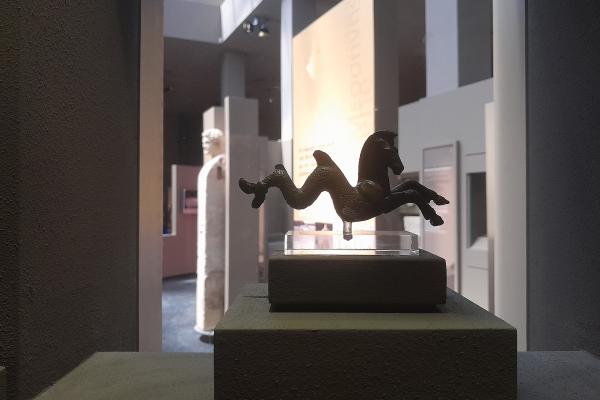
More photos coming soon
Nearby Attractions
Other places to visit in Kalamata

Frequently Asked Questions
Quick Facts
Best Time to Visit
Greece enjoys a Mediterranean climate with warm summers and mild winters, making it ideal for visiting year-round.