







- Admission
- €10 full, €5 reduced
- €30 combo ticket available
- Hours
- Daily 8:00 AM to 3:00 PM (winter) or 7:00 PM (summer); closed Jan 1
- Where
- Athens, Attica
- Directions
- Directions
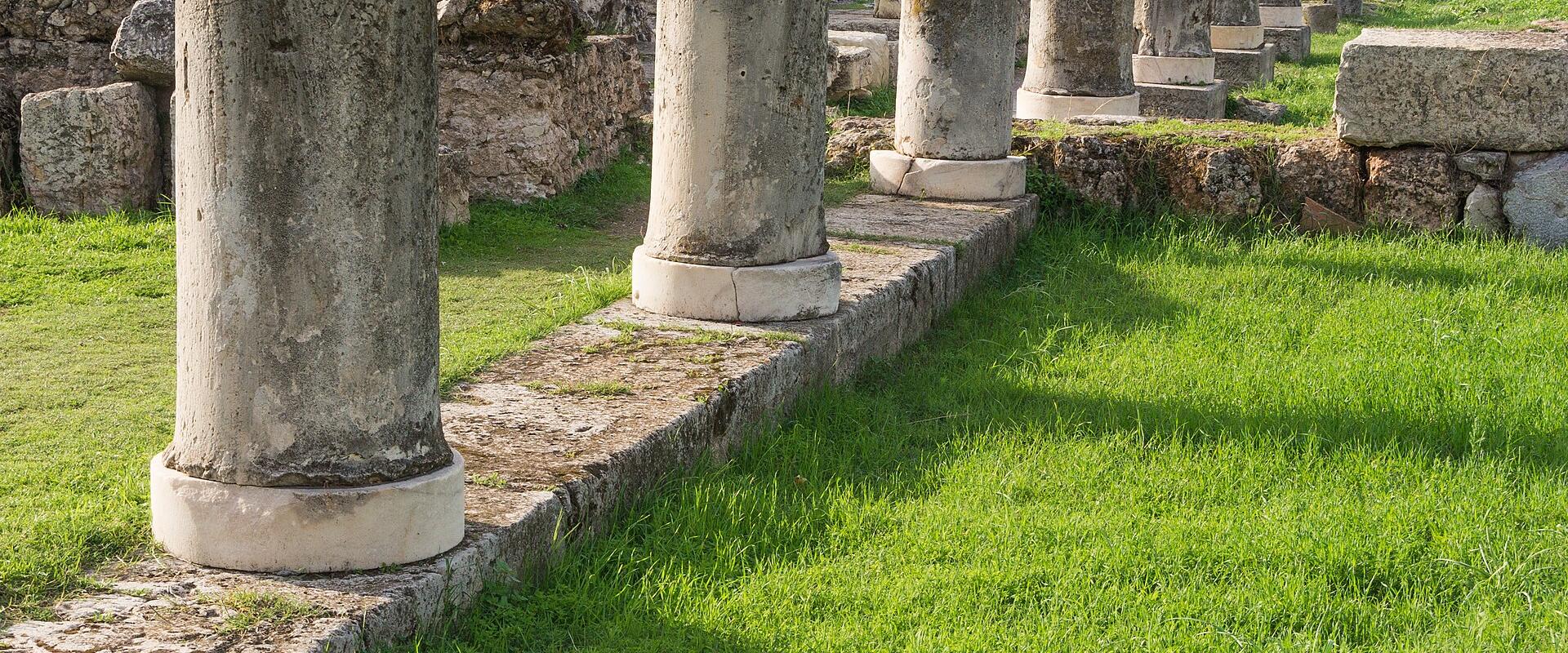
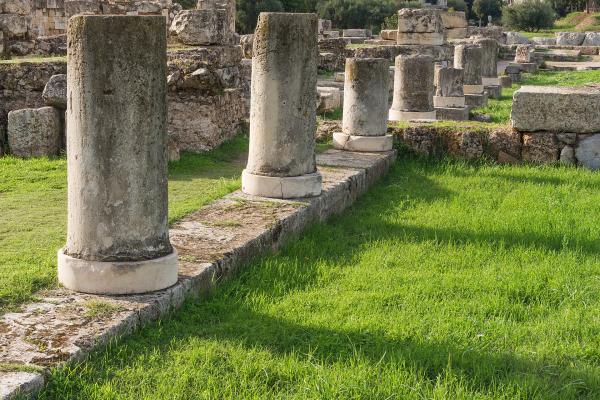
Kerameikos lies on the north-western side of the Acropolis, close to the Gazi district and the modern metro stations of Thiseio and Kerameikos. The name comes from the potters, the keramoi, who worked in this district because the clay and the water of the Eridanos River were close at hand. The river still flows through the site in a channel, and in winter you can sometimes see water running beside the ruins. It was both a workshop quarter and, outside the walls, one of the most important cemeteries in ancient Athens, used from around the ninth century BC through the Roman period.
The city wall, built after the Persian Wars under the leadership of Themistocles, cut across the area, and two great gates opened in it here. The Sacred Gate was where the Sacred Way began toward Eleusis, carrying the procession of the Eleusinian Mysteries. Beside it, the Dipylon Gate, the double gate, was the main entrance to the city from the northwest and led to the Academy. Their foundations are still visible, along with sections of the wall and the base of towers.
Outside the walls, the Street of the Tombs lines the road with grave monuments of wealthy Athenian families, many marble stelae carved with scenes of farewell. The stele of Dexileos, a young cavalryman who died in 394 BC, is one of the best known, though what stands on site is a copy, with the original displayed in the site museum. Thucydides tells us that Pericles delivered his famous funeral oration for the war dead at the public cemetery of Athens, and tradition places that cemetery in this area, adding to the historical weight of the site.
The small museum on the grounds displays pottery, sculpture and grave goods found during excavation, including funerary vases and statues of lions and bulls that once guarded tombs. It offers context for the ruins outside, and the shaded garden is a pleasant place to rest.
The site is much quieter than the Acropolis, with only a fraction of the crowds, and it rewards unhurried exploration. Paths are gravel and uneven in places, and summer shade is limited, so bring water and a hat. A visit takes around an hour. It combines easily with the Ancient Agora and the Gazi nightlife district nearby, and it tells the story of how Athens honored, and buried, its citizens.
Categories
More photos coming soon
Hours & Fees
- Open
- Daily 8:00 AM to 3:00 PM (winter) or 7:00 PM (summer); closed Jan 1
- Admission
- €10 full, €5 reduced; €30 combo ticket available
Hours and prices change, especially out of season. Check with the venue before you go.
Nearby Attractions
Other places to visit in Athens
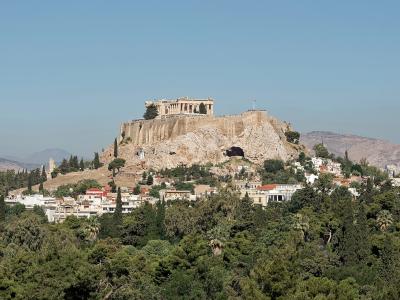
Acropolis
5th-century Greek acropolis on a limestone hill
Historic Sites & Ruins · Archaeological Sites
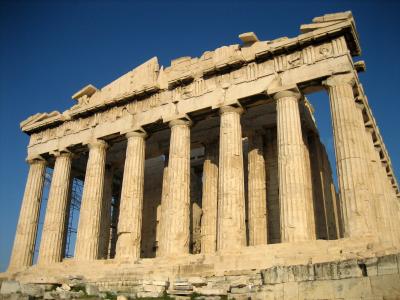
Parthenon
Ancient Greek temple atop the Acropolis
Ancient Ruins · Monuments
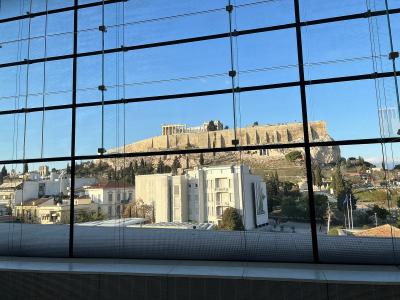
Acropolis Museum
Museum of ancient Greek art in Athens
From €10 Archaeological Museums · Museums
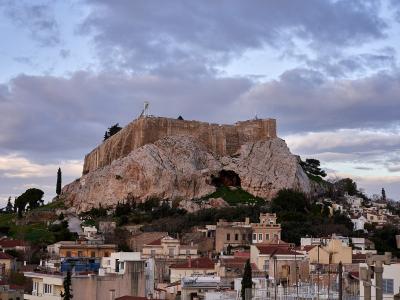
Plaka Neighborhood
Athens' oldest neighborhood beneath the Acropolis
Churches · Historic Districts
Questions people ask
Quick Facts
Best Time to Visit
April to June and September to October offer mild weather and fewer crowds.