




- Where
- Athens, Attica
- Directions
- Directions
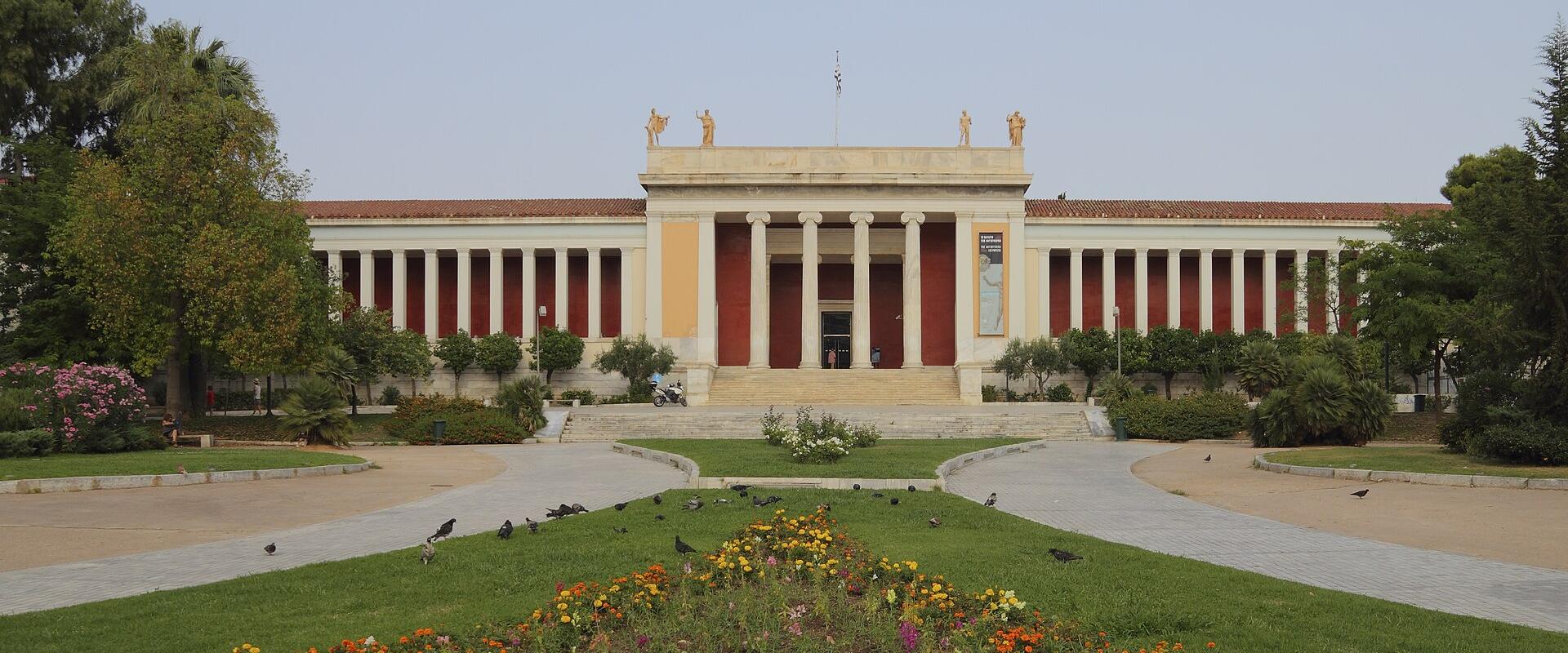
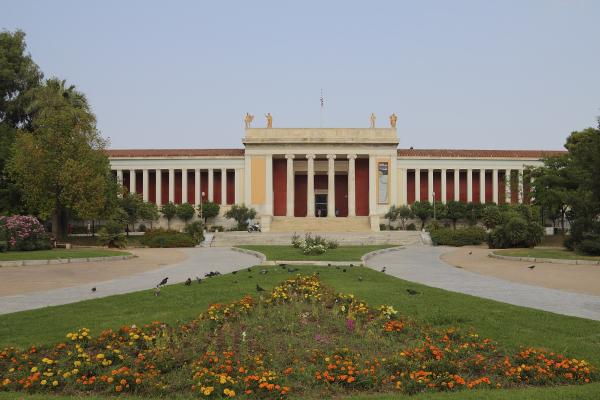
No other museum collects Greek antiquity on this scale. The National Archaeological Museum stands on Patission Street, north of the city centre, in a neoclassical building designed in the nineteenth century by Ludwig Lange and later completed by Ernst Ziller. Its galleries span from the Neolithic period through the Roman era, and many of the best-known objects from Greek excavations ended up here.
The prehistoric rooms are a good place to start. Cycladic marble figurines, with their smooth, pared-down bodies, look strikingly modern. The Mycenaean gallery displays gold treasures found by Heinrich Schliemann at Mycenae, headed by the gold funerary mask often called the Mask of Agamemnon, along with the Vaphio cups and weapons inlaid with scenes of hunting. A separate room holds frescoes from Akrotiri on Santorini, preserved by volcanic ash in the Bronze Age.
The sculpture galleries trace the development of Greek art. Giant Archaic kouroi, among them the Kouros of Sounion, show the early Egyptian-influenced stance of the young male figure, while later halls hold classical grave stelai and portraits. One of the star pieces is the bronze god found in the sea off Cape Artemision, striking a throwing pose and thought to depict either Zeus or Poseidon. Nearby is the bronze Jockey of Artemision, a boy on a galloping horse.
Among the less obvious treasures is the Antikythera Mechanism, an astonishing geared device from an ancient shipwreck, found in 1901 and often described as an early analogue computer for tracking the sky. The vases section includes huge Geometric funerary amphorae from the Dipylon cemetery in Athens, and the Stathatos collection, a private donation of jewellery and small objects, adds fine detail. An Egyptian collection and a room for Cypriot art give the museum a wider reach.
Visitors should plan on at least two to three hours; the collection is enormous and tiring to take in at once, so choose a few galleries rather than hurrying through everything. The museum is a short walk from Victoria and Omonia metro stations. Visiting here in the morning, before heading to the Acropolis Museum, gives a useful picture of what came before and after the classical period.
Categories
More photos coming soon
Nearby Attractions
Other places to visit in Athens
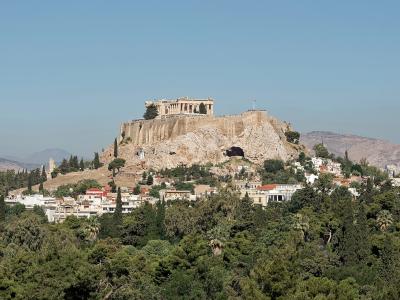
Acropolis
5th-century Greek acropolis on a limestone hill
Historic Sites & Ruins · Archaeological Sites
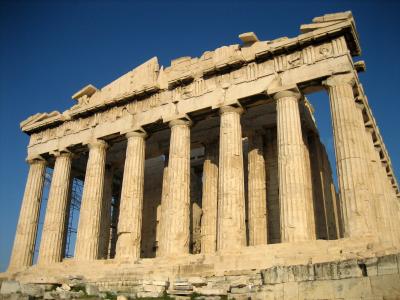
Parthenon
Ancient Greek temple atop the Acropolis
Ancient Ruins · Monuments
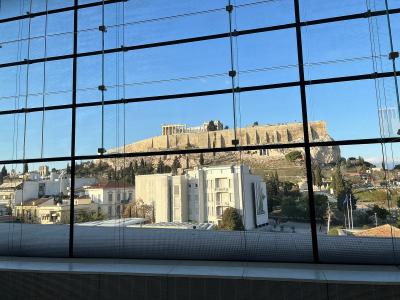
Acropolis Museum
Museum of ancient Greek art in Athens
From €10 Archaeological Museums · Museums
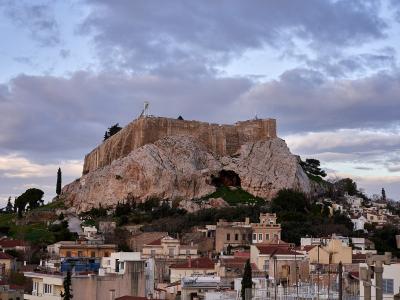
Plaka Neighborhood
Athens' oldest neighborhood beneath the Acropolis
Churches · Historic Districts
Questions people ask
Quick Facts
Best Time to Visit
April to June and September to October offer mild weather and fewer crowds.