







Olympia Archaeological Site
- Admission
- €20 full, €10 reduced
- Where
- Olympia, Peloponnese
- Directions
- Directions
The Archaeological Site of Olympia, in the western Peloponnese, is where the ancient Olympic Games were held from the eighth century BC until the late fourth century AD. The first recorded games are traditionally dated to 776 BC, and for more than a thousand years athletes from across the Greek world gathered here every four years in honour of Zeus, with a sacred truce so that they could travel safely. The emperor Theodosius brought the games to an end in the 390s, and earthquakes and floods then buried the sanctuary under river silt until excavations began in the nineteenth century. UNESCO listed it as a World Heritage Site in 1989, and its legacy lives on in the modern Olympics.
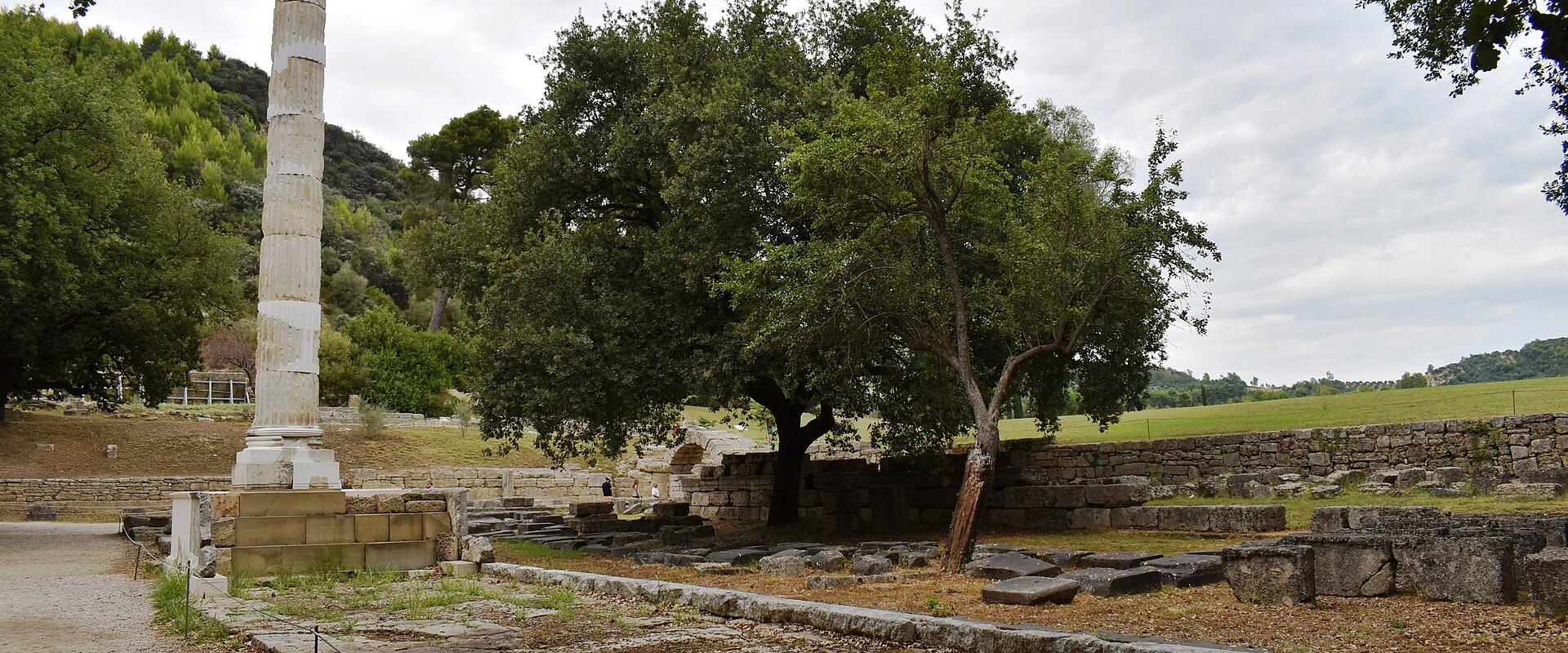
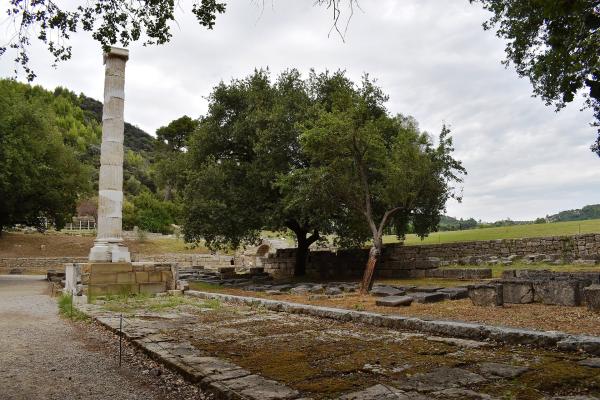
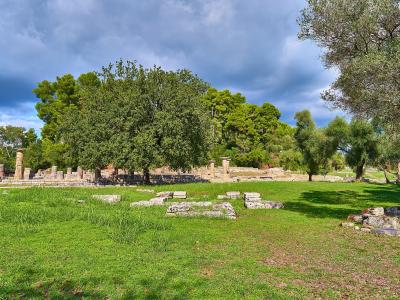
The sanctuary, called the Altis, lies in a green valley where the Alpheios and Kladeos rivers meet, shaded by pine and olive trees. The Temple of Zeus, built in the fifth century BC, once held one of the Seven Wonders of the Ancient World, the enormous gold and ivory statue of Zeus by the sculptor Pheidias. Only the base and some fallen column drums remain, but their size gives an idea of the scale. Nearby stands the Temple of Hera, one of the oldest Doric temples in Greece, from around 600 BC, and a few of its columns have been re-erected. It is here that the Olympic flame is lit for each modern Games, using a parabolic mirror and the sun, in a ceremony that has been performed since the 1936 Berlin Games.
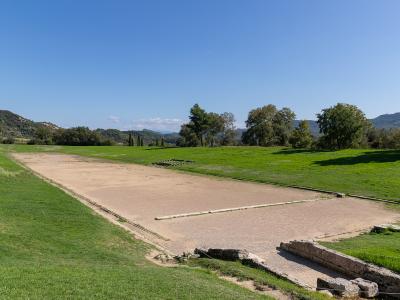
A walk through the site passes the Philippeion, a circular monument built by Philip II of Macedon, the Pelopion, a sacred enclosure linked to the hero Pelops, the Palaestra and Gymnasium where athletes trained, the workshop of Pheidias, and the Leonidaion, a large hostel for important visitors. The stadium, at the eastern end, is reached through a vaulted stone tunnel, and walking through that tunnel onto the long track, where about forty thousand spectators once sat on grassy banks, is the most memorable moment of the visit. The stone starting line is still in place.
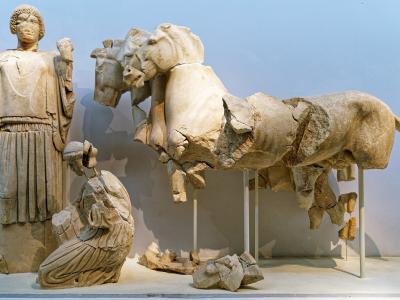
The Archaeological Museum of Olympia, next to the site, shows the finest objects found here. They include the sculptures from the Temple of Zeus, Praxiteles’ Hermes, and the Nike of Paionios, as well as bronze offerings and armour. A visit to the museum gives life to the empty ruins.
Allow at least half a day for the site and museum. Go early to avoid the heat and the tour groups, bring water and a hat, and wear sturdy shoes. Olympia is about four hours from Athens by road, and opening times and prices vary by season, so check ahead.
More photos coming soon
Admission Fees
- Admission
- €20 full, €10 reduced
Hours and prices change, especially out of season. Check with the venue before you go.
Nearby Attractions
Other places to visit in Olympia
Questions people ask
Quick Facts
Best Time to Visit
May through October offers warm, dry weather ideal for exploring the archaeological site.