







- Admission
- €12.00 general, €6.00 for students
- Hours
- March–October: 08:00–19:00; November–February: 08:00–17:00
- Where
- Athens, Attica
- Directions
- Directions
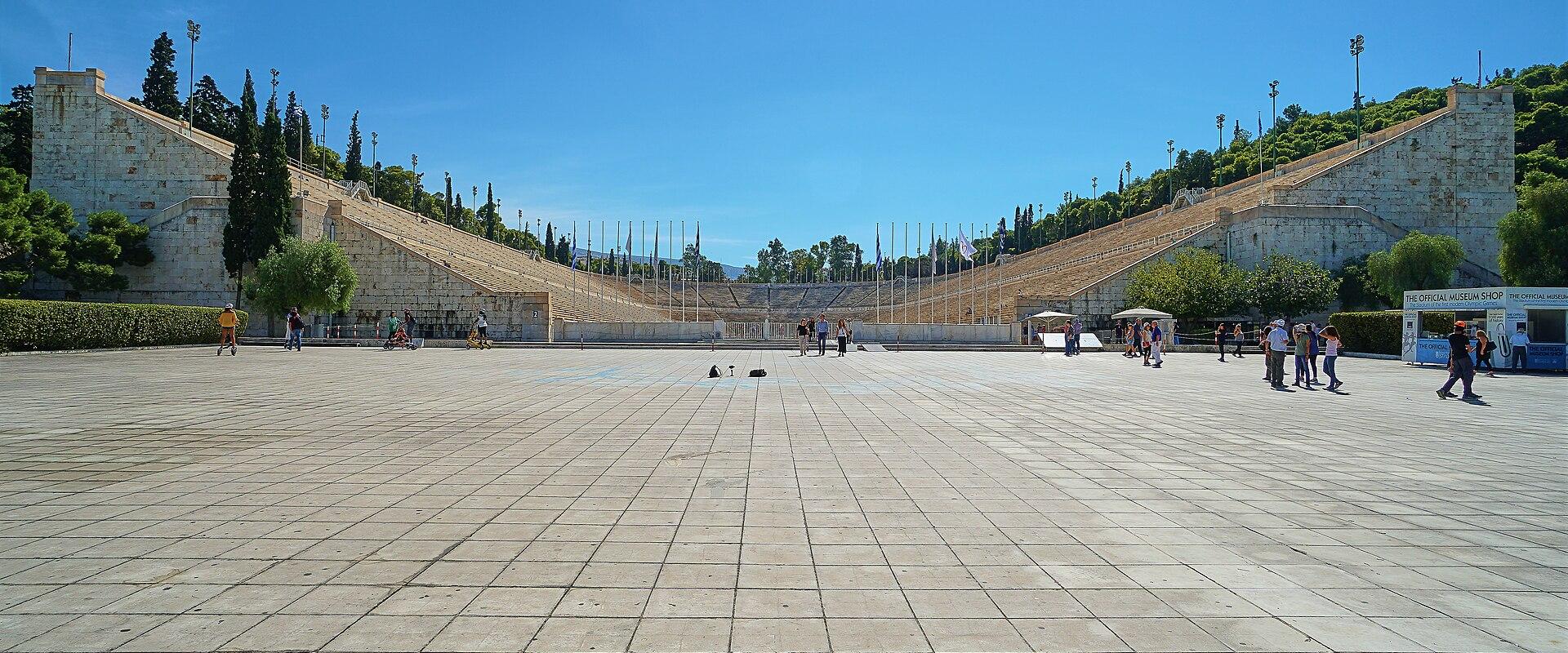
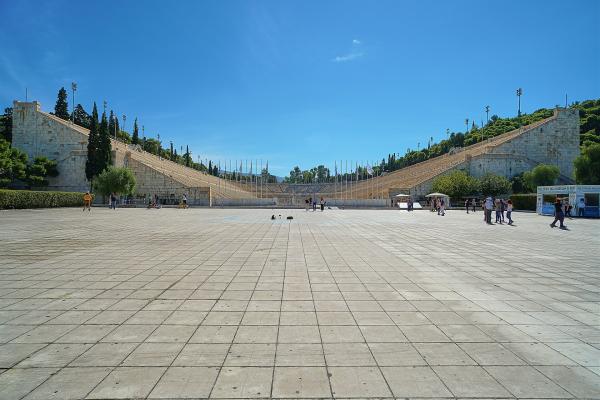
Shaped like a long horseshoe and cut into the hollow between two low hills, the Panathenaic Stadium is known in Greek as the Kallimarmaro, the 'beautifully marbled'. It sits in Athens just east of the National Gardens and the Temple of Olympian Zeus, and it is the only large stadium in the world built entirely of white marble, quarried from Mount Pentelicon, the same mountain that supplied the Parthenon.
A stadium has stood on the spot since the fourth century BCE, when the statesman Lycurgus had a track laid out in a natural ravine for the Panathenaic Games, the festival in honour of Athena. The marble seating came later: in the second century AD the wealthy Athenian benefactor Herodes Atticus rebuilt the stadium in stone, with room for tens of thousands of spectators. After antiquity the marble was largely stripped away and the site fell into ruin, and the shape of the arena was almost lost.
The modern story begins in the nineteenth century. Excavations uncovered the plan, and the businessman Georgios Averoff paid for a full reconstruction in marble, completed in time for the first modern Olympic Games, held here in 1896. A statue of Averoff stands near the entrance. The stadium has remained part of Olympic life ever since: it was the finish line of the 2004 marathon, hosted archery in the same Games, and each time the Olympic flame is handed to a host city, the ceremony takes place here.
Visitors can walk the whole circuit, sit on the marble tiers and stand on the track, imagining the roar of the crowd. Beneath the stands a vaulted passage, once used by athletes entering the arena, leads to a small museum with Olympic torches and posters from different Games, along with memorabilia of past competitions. The upper rows give a good view back toward the Acropolis and across to the green slope of Ardettos hill.
The interior is bright and exposed, so a hat and water help in the warmer months, and the white stone glares at midday. Early morning or late afternoon brings softer light and a quieter experience. It combines naturally with a stroll through the National Gardens to the Zappeion and the Temple of Olympian Zeus.
Categories
More photos coming soon
Hours & Fees
- Open
- March–October: 08:00–19:00; November–February: 08:00–17:00
- Admission
- €12.00 general, €6.00 for students
Hours and prices change, especially out of season. Check with the venue before you go.
Nearby Attractions
Other places to visit in Athens
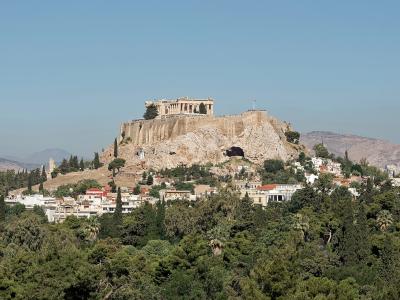
Acropolis
5th-century Greek acropolis on a limestone hill
Historic Sites & Ruins · Archaeological Sites
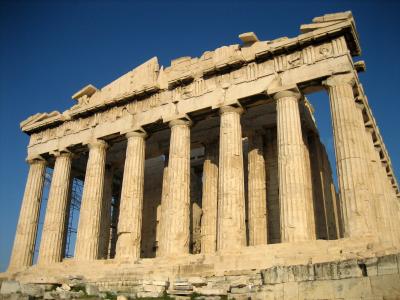
Parthenon
Ancient Greek temple atop the Acropolis
Ancient Ruins · Monuments
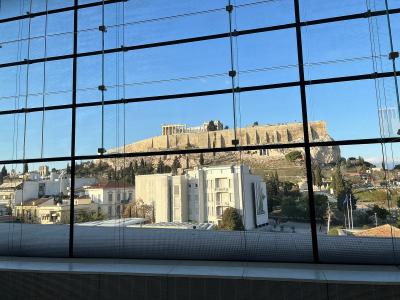
Acropolis Museum
Museum of ancient Greek art in Athens
From €10 Archaeological Museums · Museums
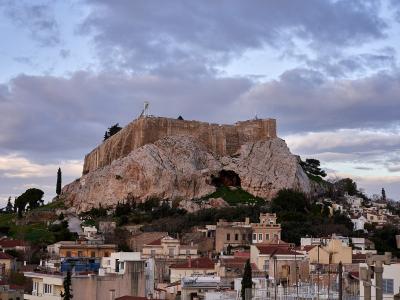
Plaka Neighborhood
Athens' oldest neighborhood beneath the Acropolis
Churches · Historic Districts
Questions people ask
Quick Facts
Best Time to Visit
April to June and September to October offer mild weather and fewer crowds.