







- Admission
- Free
- Hours
- Open 24 hours
- Where
- Athens, Attica
- Directions
- Directions
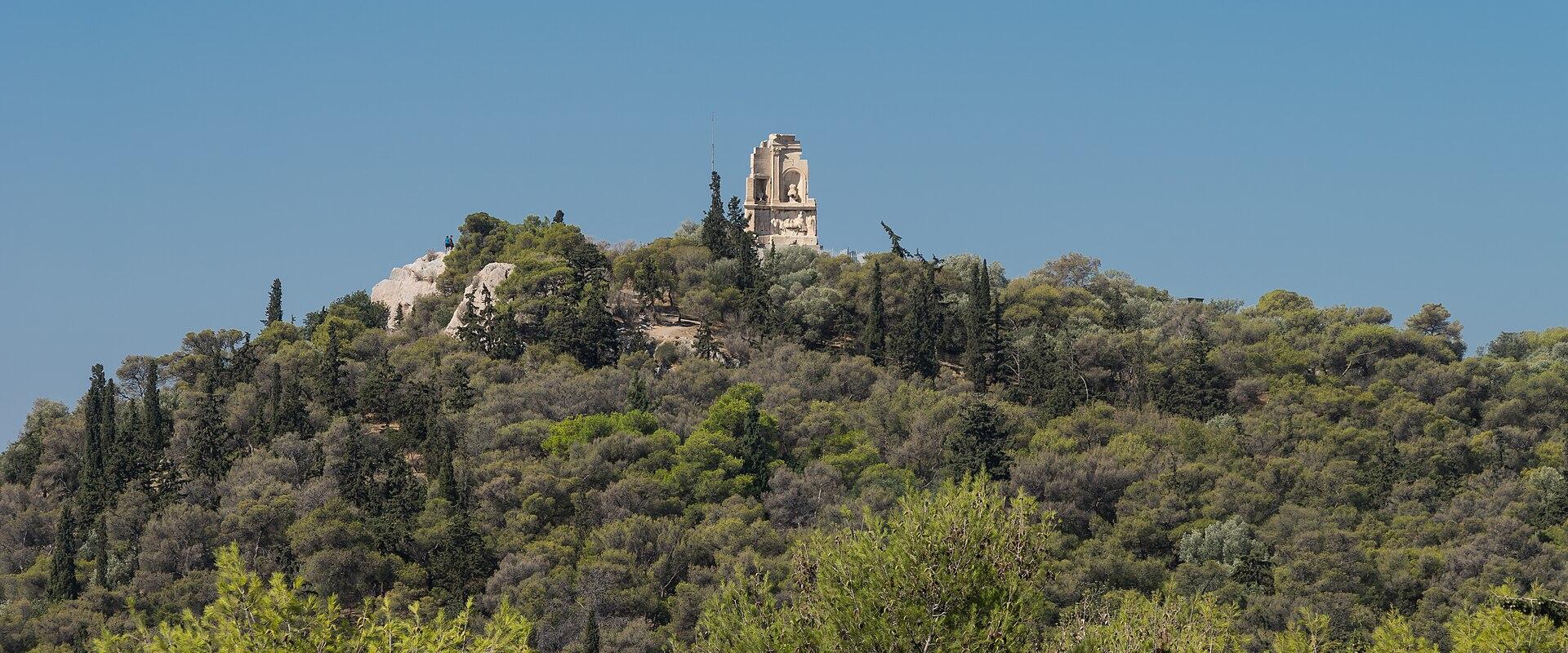
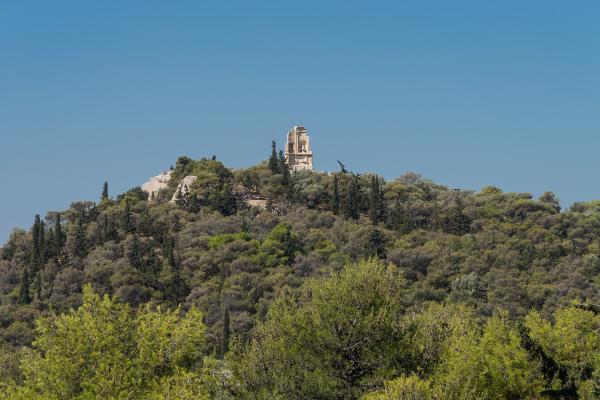
Philopappou Hill rises about 147 metres just southwest of the Acropolis, and it is the green summit that gives the Greek capital, Athens, one of its best views of the Parthenon from outside the rock itself. The hill was known in antiquity as the Hill of the Muses, and the name Philopappou comes from the monument at the top, built around AD 114 to 116 for Gaius Julius Antiochus Epiphanes Philopappos. He was a Roman consul and a prince of the royal house of Commagene in what is now southern Turkey, who lived in Athens as a benefactor and was made an honorary citizen. The tomb that Athenians raised for him, the Philopappion, still stands on the summit, a curved marble facade with carved reliefs and niches that held statues.
The slopes are covered in pines, olive trees and wild herbs, and a network of footpaths loops around the hill. Many of them were designed by the architect Dimitris Pikionis in the 1950s, who used reclaimed stone, marble offcuts and tiles to make paths that blend into the landscape. His work is a destination in itself, and the paved route from Apostolou Pavlou street, near the Acropolis metro station, is a good way to see it. The little whitewashed church of Agios Dimitrios Loumbardiaris sits on the lower slope beside the route.
Near the foot, a rock-cut chamber with openings in the stone is popularly called the Prison of Socrates. There is no firm evidence connecting it to him, but the legend has stuck. The neighbouring hill of the Pnyx, where the Athenian assembly met in the classical period, adjoins the park and gives it additional depth for anyone interested in Athenian democracy.
From the monument platform, the Parthenon appears close and in profile, with the Temple of Olympian Zeus and the Panathenaic Stadium in the distance, and on clear days you can look out toward Piraeus and the Saronic Gulf. Sunset is the favoured time, when the marble of the Acropolis turns gold. At that hour a crowd gathers, but the space is generous and quieter than the equivalent view at Mount Lycabettus on the other side of the city.
The park is open at all hours and free to enter. Surfaces are loose and uneven in places, shade is limited near the top, and water is not available on the hill, so wear sturdy shoes and bring a bottle in summer. The walk up takes about fifteen to twenty minutes from the foot, and it is an easy way to pair a visit to the Acropolis with a quieter, greener hour.
Categories
More photos coming soon
Hours & Fees
- Open
- Open 24 hours
- Admission
- Free
Hours and prices change, especially out of season. Check with the venue before you go.
Nearby Attractions
Other places to visit in Athens
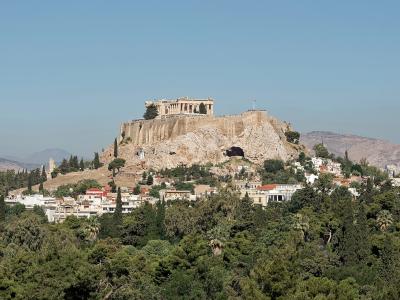
Acropolis
5th-century Greek acropolis on a limestone hill
Historic Sites & Ruins · Archaeological Sites
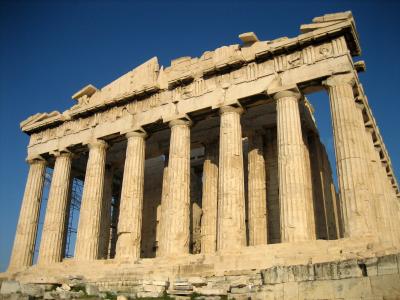
Parthenon
Ancient Greek temple atop the Acropolis
Ancient Ruins · Monuments
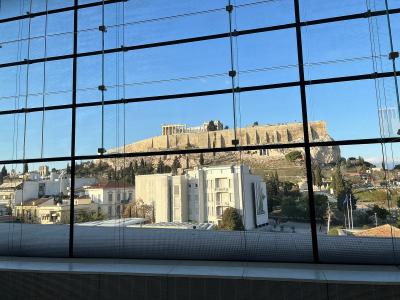
Acropolis Museum
Museum of ancient Greek art in Athens
From €10 Archaeological Museums · Museums
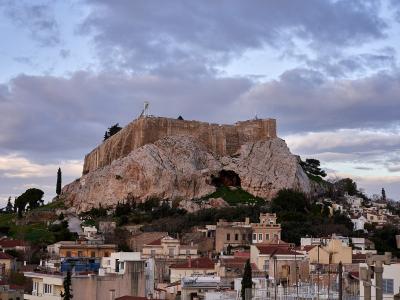
Plaka Neighborhood
Athens' oldest neighborhood beneath the Acropolis
Churches · Historic Districts
Questions people ask
Quick Facts
Best Time to Visit
April to June and September to October offer mild weather and fewer crowds.