

- Hours
- April 1 to August 31: 8am to 8pm; September 1 to 15: 8am to 7:30pm; September 16 to 30: 8a...
- Where
- Athens, Attica
- Directions
- Directions
A short walk from Monastiraki Square, in the Plaka district north-east of the Acropolis, a walled enclosure holds the remains of the market that Athens built in the Roman period. The Roman Agora was laid out in the first century BC with funds from Julius Caesar and later Augustus, as the old Greek marketplace to the west grew crowded. It was essentially a large rectangular courtyard surrounded by colonnades, with shops behind them, used mainly for the sale of oil and other goods.
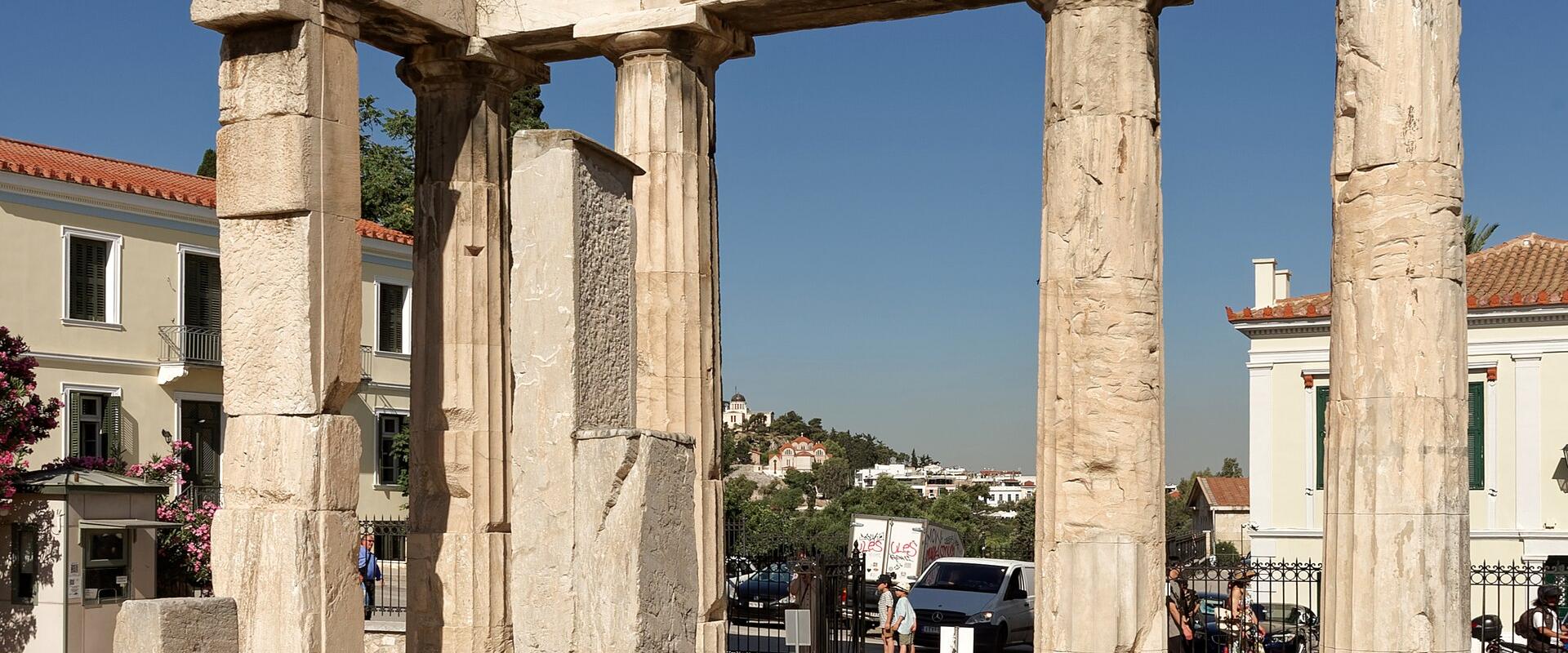
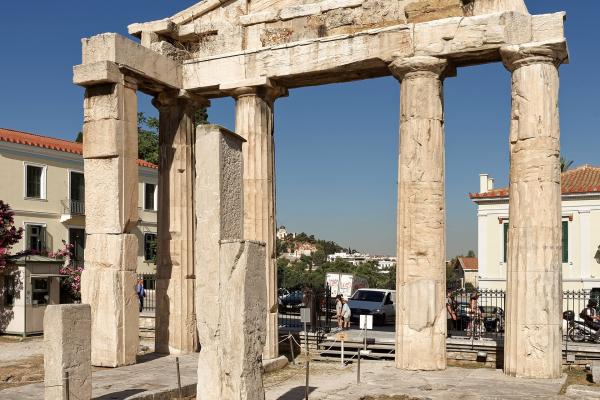
The main entrance on the west side is the Gate of Athena Archegetis, a monumental Doric gateway of Pentelic marble, with four columns supporting a plain pediment. An inscription records that it was dedicated in the late first century BC with funds from Caesar and Augustus. Beside the gate stood a tablet carrying a price edict from the time of Hadrian that regulated the sale of olive oil, one of the main trades of the market.
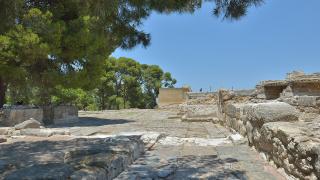
The courtyard floor is mostly bare paving with the bases of columns and sections of the colonnades. Near the southeast corner, a small domed Ottoman building stands: the Fethiye Mosque, built after the Ottoman conquest of 1456, which shows how the site continued to serve the city. Nearby are the foundations of the Agoranomeion, the market officials' office, and the ruins of a public latrine with stone seats arranged in a rectangle, one of the more unexpected survivals of ancient daily life. The site also bears traces of Byzantine structures, which show the layering of the city's history.
At the eastern edge of the enclosure rises the Tower of the Winds, an octagonal marble building from the first century BC. It was a combined clock, weather vane and water clock built by the astronomer Andronikos of Kyrrhos, and each side carries a relief of one of the eight winds, with sundials beneath. It is among the best-preserved ancient buildings in Athens, and visitors can view it from the enclosure or from the street just outside.
Visitors will find the site small, and often quieter than the Acropolis and the Ancient Agora, and a visit takes about thirty to forty-five minutes. It combines well with Hadrian's Library on the other side of the road, the lanes of Plaka and a walk to the Acropolis. The stones are uneven and shade is limited, so sun protection and sensible shoes are useful.
Categories
More photos coming soon
Opening Hours
- Open
- April 1 to August 31: 8am to 8pm; September 1 to 15: 8am to 7:30pm; September 16 to 30: 8am to 7pm
Hours and prices change, especially out of season. Check with the venue before you go.
Nearby Attractions
Other places to visit in Athens
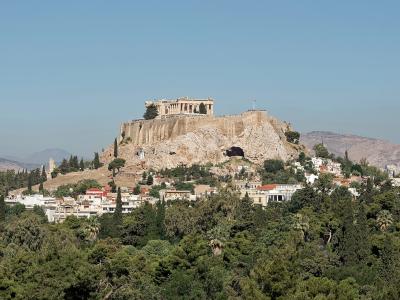
Acropolis
5th-century Greek acropolis on a limestone hill
Historic Sites & Ruins · Archaeological Sites
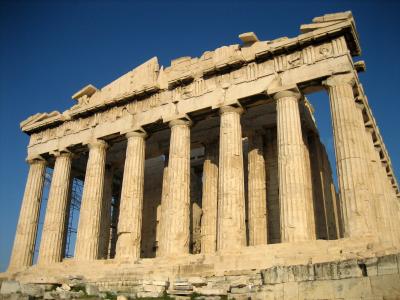
Parthenon
Ancient Greek temple atop the Acropolis
Ancient Ruins · Monuments
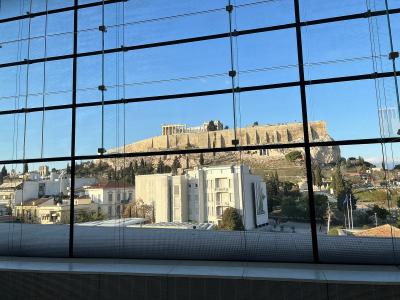
Acropolis Museum
Museum of ancient Greek art in Athens
From €10 Archaeological Museums · Museums
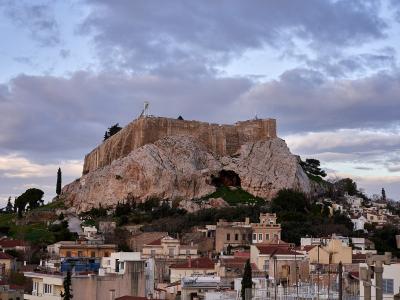
Plaka Neighborhood
Athens' oldest neighborhood beneath the Acropolis
Churches · Historic Districts
Questions people ask
Quick Facts
Best Time to Visit
April to June and September to October offer mild weather and fewer crowds.