

Sipping the Caldera’s Breath
The morning air at 9:00 AM holds a distinct, mineral warmth radiating from the black volcanic soil. Standing before the ancient, self-rooted Assyrtiko vines, you realize immediately that this landscape defies standard logic. The vines, gnarled and resilient, twist into low, circular baskets known as kouloura. This ancient technique is not merely aesthetic; it is a survival mechanism. By keeping the fruit close to the earth, the vines are protected from the fierce, salt-laden Aegean winds that sweep across the island unimpeded.
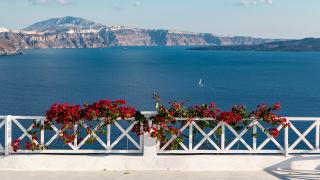
When the first sip of the resulting wine hits your palate, the experience is immediate and electric. The pale gold liquid reveals a subtle green rim, carrying a complex profile of wet stone, saline air, and faint notes of unnamed citrus. It is crisp, cold, and utterly unique to this specific terrain. By late August, as the intense sun begins to soften, the harvest season reaches its peak. The air grows heavier with the scent of ripening fruit, and the visual contrast of the deep blue sea against the volcanic rock creates a backdrop that is as striking as the vintage itself.
The Ancient Survivors of Ash
The volcanic ash that blankets Santorini’s landscape is not merely a barrier; it is a preservative. This unique geological layer insulates the soil, retaining moisture while reflecting the intense heat of the Aegean sun. It is within this specific microclimate that the island’s ancient, ungrafted vines have thrived for centuries.
Because the porous, mineral-rich pumice creates an environment hostile to pests, the local grapevines escaped the phylloxera plague that devastated European vineyards in the 19th century. This natural isolation has preserved a genetic purity in the vines that is rare to find elsewhere. The result is a wine that is deeply rooted in its specific place, or terroir. The thick skins of the grapes, adapted to the harsh sun, contribute to a structure that is robust and resilient, capturing the essence of the island’s volcanic history in every drop.
Harvest Rituals and Golden Hours
Late August marks the crescendo of the harvest in Santorini. The atmosphere shifts from quiet cultivation to a vibrant, communal celebration. Families and neighbors converge on the vineyards, their hands moving swiftly to gather the grapes. While the heat remains, the harsh edge of midday softens, allowing for a rhythmic, steady pace of work. It is a time of shared effort, where neighbors help one another, turning labor into a shared cultural event.
The landscape here is defined by the unique keula (basket) shape of the vines, woven into low, circular crowns. This technique protects the tender leaves from the region’s relentless winds. Beneath the surface, the ground tells a different story; the soil is dense with black volcanic rock and porous pumice. This geological complexity allows the soil to absorb the day’s heat, releasing it gently to the roots and creating a stable environment for the grapes to ripen. As the sun dips, the air cools, and the scent of ripening fruit mixes with the saline breeze, creating a sensory experience that feels both ancient and immediate.
Pairing the Volcanic with the Sea
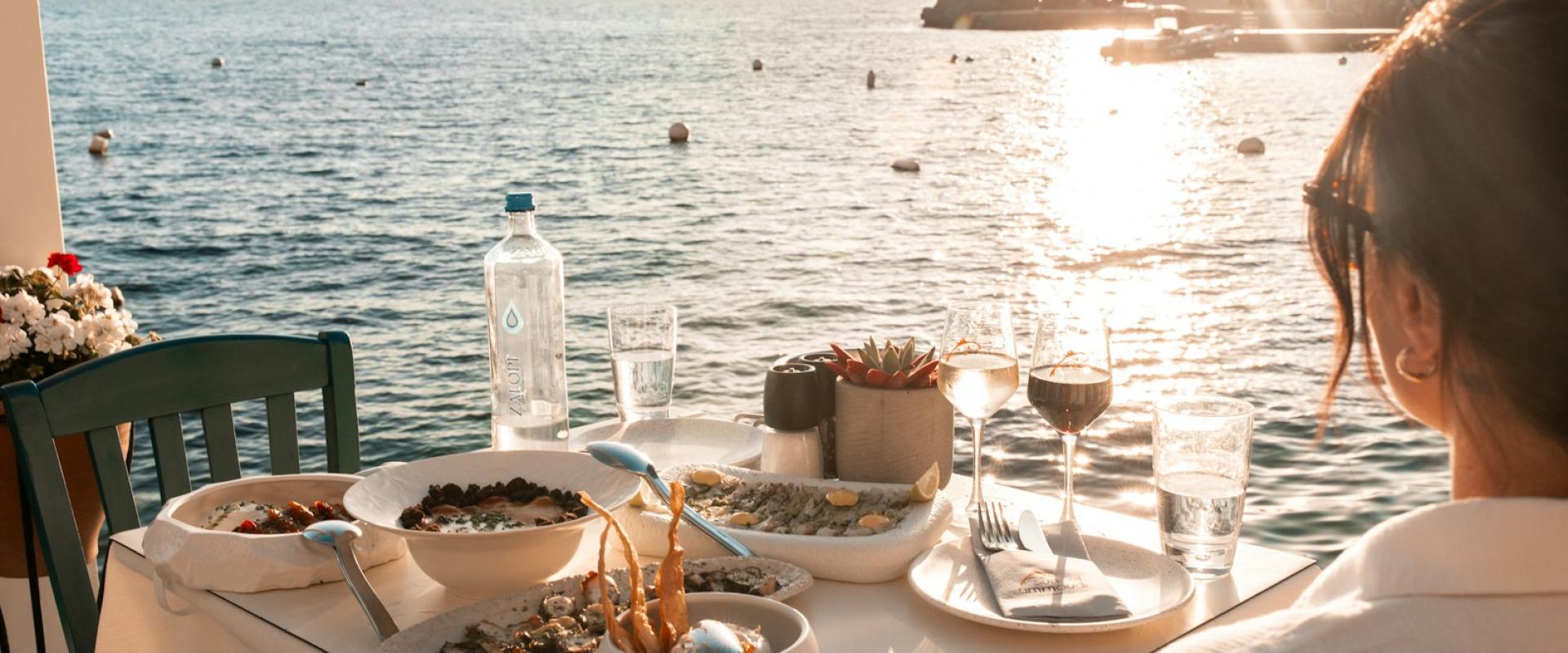
Imagine the sharp, saline bite of Assyrtiko cutting through the richness of grilled octopus. This is the quintessential Santorini experience. The wine’s natural acidity provides a perfect counterpoint to the oily richness of the seafood, creating a balance that is both refreshing and complex. Try the local fava (a yellow split pea puree) with the wine; the creamy texture of the dish harmonizes beautifully with the crisp, mineral notes of the grape.
For a deeper connection, consider pairing the wine with salty, cured dishes. The high acidity of the Assyrtiko acts as a natural palate cleanser, refreshing the senses between bites. The keula vines, twisted by the wind, produce grapes that reflect the harsh beauty of their environment. When you sip, you taste the wet stone and the sun-drenched earth. It is a robust experience that honors the history of the land.
Consider ending your meal with a glass of Vinsanto. Its sweet, amber depth contrasts beautifully with the saltiness of the seafood, creating a harmonious finish. This is not just dining; it is an immersion into the island’s soul. The wine is the star, but the context—the sea, the stone, the history—makes the memory.
Your Table Awaits
Family-owned wineries dot the caldera, often tucked away from the main tourist paths. These smaller, local spots offer a genuine connection to the land that the larger, commercial venues often lack. Here, the conversation is personal. The owners are proud of their heritage and eager to share the stories behind their bottles.
A tasting here costs around €15–€20, but the value lies in the experience. It is a conversation about volcanic soil, salt air, and the hands that tend the land. I invite you to step inside, to ask questions, and to listen. When you taste, you are not just drinking a beverage; you are engaging with a tradition that has survived for centuries. Let the flavors linger. Sip slowly. Let the history of the island speak through the glass.
Note: This guide is written by Sofia, a local expert in Santorini’s culinary landscape.