







- Admission
- Refer to www.larissa-theatre.com
- Hours
- Refer to www.larissa-theatre.com
- Where
- Larissa, Thessaly
- Directions
- Directions
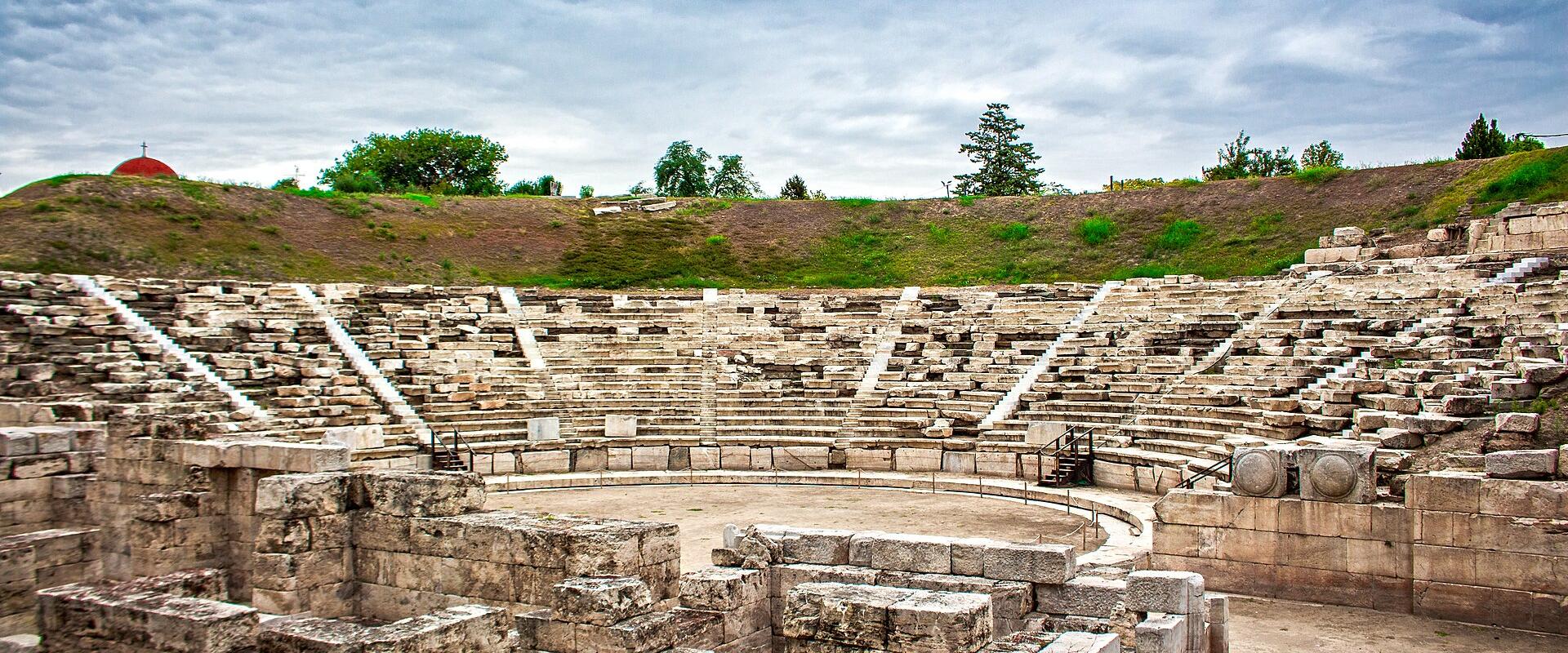
The Ancient Theatre of Larissa lies in the middle of the modern city, on the slope beneath the hill of Agios Achillios, a short walk from the bank of the Pinios River. It was uncovered in the 1980s during building work, and systematic excavation since then has revealed a Hellenistic theatre of the third century BC. The find mattered because Larissa, the largest city of ancient Thessaly, had long been known from texts but had left few visible monuments. The theatre is the clearest surviving expression of its public life.
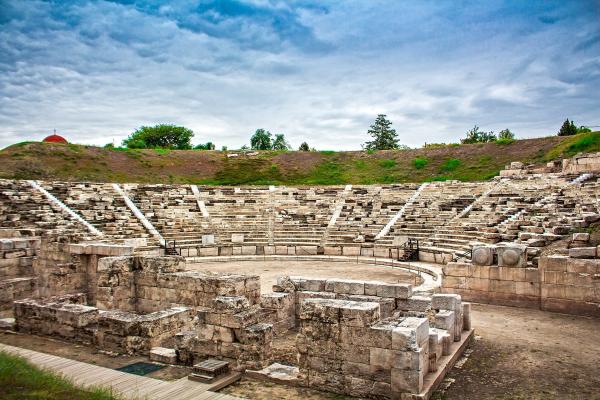
Like most Greek theatres of its period, it was built into the hillside, with tiers of seats curved around a circular orchestra and a stage building below. Marble was used for the seating in the most important sections, including the front row and honorary seats, and the capacity is estimated at around ten thousand people, a figure that gives an idea of the size and wealth of the city. The theatre was reused and modified in Roman times, as the shape of the stage building and later repairs show.
Walking among the seats, you can see how the cavea, the semicircular auditorium, rises in wedges divided by stairways, and how the lowest rows were reserved for those of status. From the upper rows there is a clear view of the Frourio hill and the church and fortress above, and the nearby streets show how the ancient and modern city overlap. Sections have been restored, and the site is arranged so that visitors can walk around the edge and view the main elements without climbing over fragile remains.
Larissa has other points of interest in the same area. The Early Christian Basilica of Saint Achilles sits on the hill above, and the Mill of Pappas, a former flour mill on the Pinios riverside, now a cultural venue, is a short distance away. The river itself, with its tree-lined walk, makes a pleasant break from the city.
Local tradition links Larissa to Hippocrates, who is said to have died here in the early fourth century BC, and the Thessalian plain around the city was famous for its horses and its wealthy landowners. This background helps explain why the city could afford a large theatre. Opening times and ticketing are best checked locally before a visit, since archaeological sites in Greece often adjust their schedules. Allow an hour or so, wear a hat in summer, and combine the visit with a walk up to the hill.
Categories
More photos coming soon
Hours & Fees
- Open
- Refer to www.larissa-theatre.com
- Admission
- Refer to www.larissa-theatre.com
Hours and prices change, especially out of season. Check with the venue before you go.
Nearby Attractions
Other places to visit in Larissa
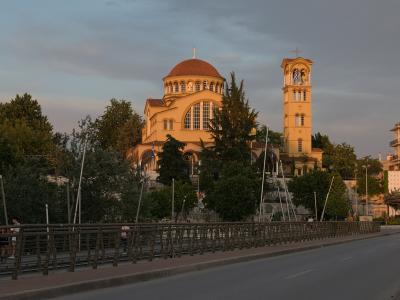
Agios Achillios (The Frourio/ Fortress)
Basilica on the Hill of the Castle in Larissa
Free Historic Sites & Ruins · Religious Heritage
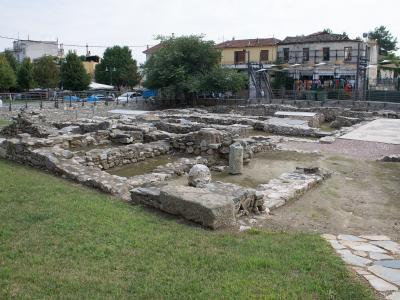
Early Christian Basilica Of Saint Achilles
6th-century basilica with mosaic floors
Historic Sites & Ruins · Religious Heritage
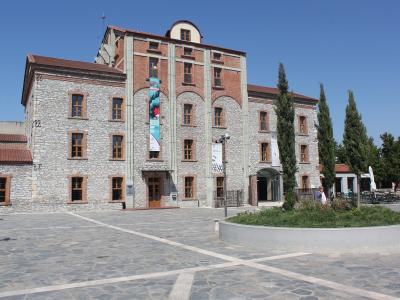
Mill Of Pappas
1893 industrial heritage site and cultural hub
Historic Mansions
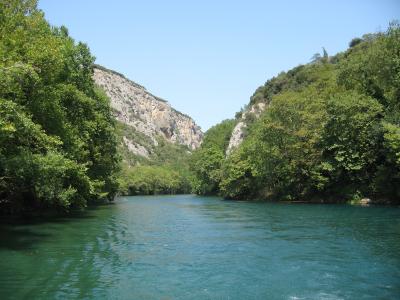
Pinios River
Protected wetland and bird habitat in Larissa
Natural Landscapes
Questions people ask
Quick Facts
Best Time to Visit
May and June offer comfortable temperatures and lower humidity, ideal for exploring.