Larissa
Thessalian city with ancient theatre and fortress
History
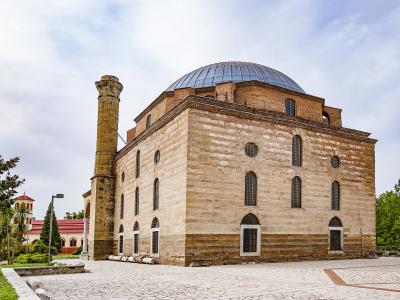
Larissa, the capital of Thessaly and Greece’s fourth-largest city, boasts a history that stretches back to the Neolithic period, making it one of Europe’s oldest continuously inhabited settlements. With a population exceeding 162,000, the city serves as a vital agricultural and university hub situated between Athens and Thessaloniki. Historically, Larissa was the head of the Thessalian League and derives its name from the ancient Greek word for "stronghold." The city’s strategic location in the fertile Thessalian plain has made it a crossroads of civilizations, leaving behind layers of Hellenistic, Byzantine, and Ottoman heritage. This deep historical root is evident in the city’s architecture and archaeological sites, which offer a tangible connection to ancient Greece. The city’s identity is shaped by its role as a center of learning and culture, hosting a vibrant student community that adds a modern dynamic to its ancient foundations.
Main Attractions
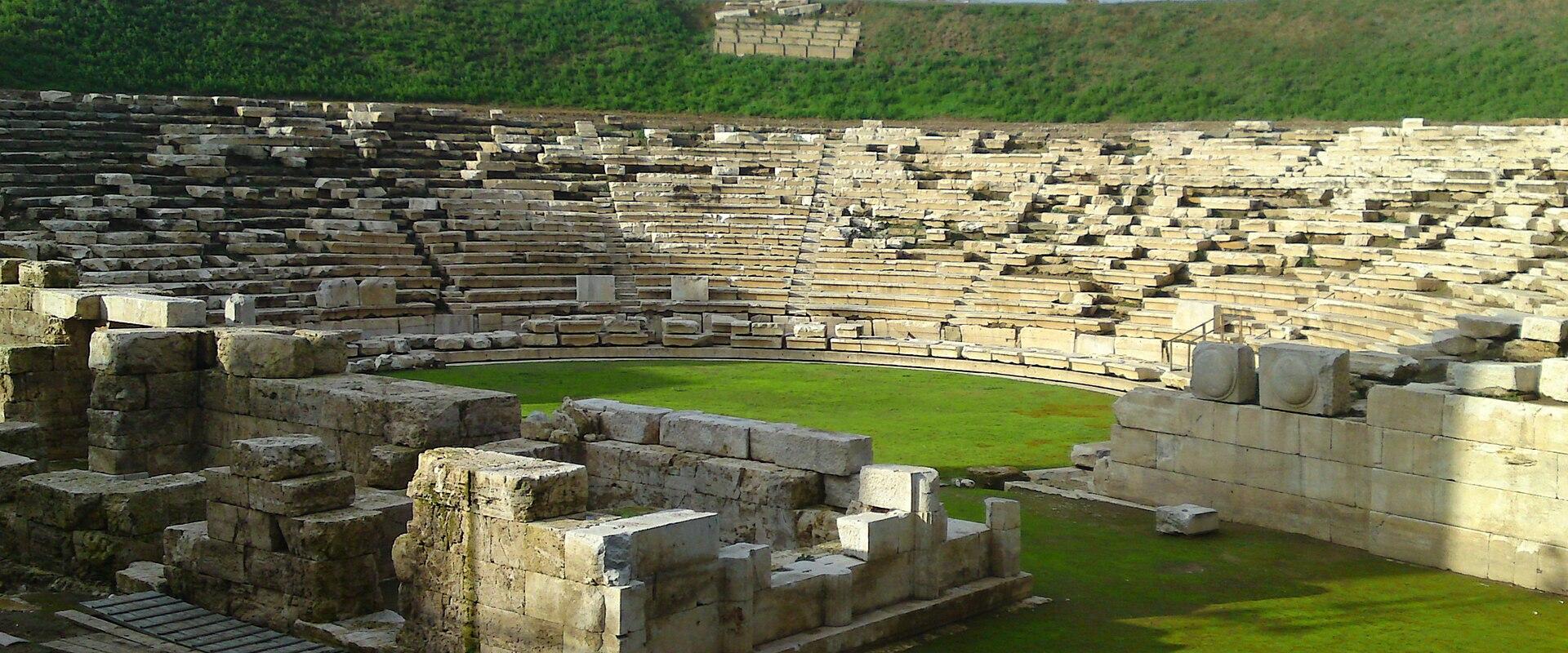
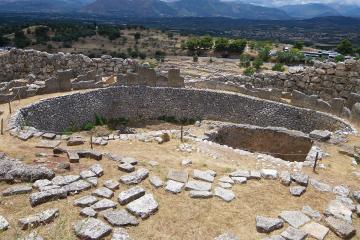
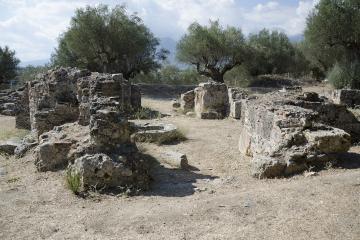
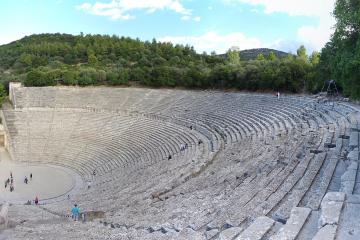
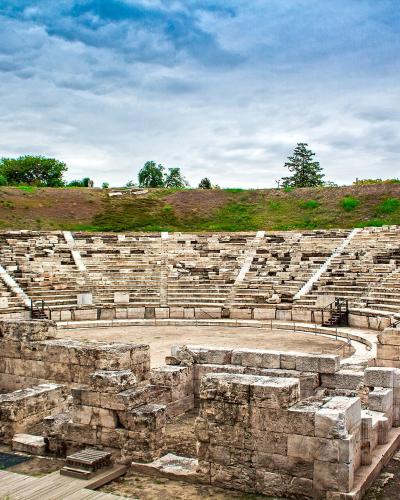
The primary attraction in Larissa is the Diachronic Museum, opened in 2015, which houses an extensive collection of artifacts spanning from the Palaeolithic period to the Ottoman era. The museum displays columns, mosaics, and funerary art that illustrate the region’s rich cultural evolution. Another key site is the Hellenistic Theatre, dating back to the 3rd century BC, located at the southern foot of the acropolis. This well-preserved structure offers a glimpse into the city’s ancient public life. The acropolis itself, a hilltop fortress, contains remains from various historical periods, including Byzantine and Ottoman structures. The Larissa Archaeological Museum further enriches the historical experience, showcasing items from the ancient city. These landmarks are not isolated relics but integral parts of the urban landscape, inviting visitors to explore the layers of history embedded in the city’s fabric.
Activities
Visitors to Larissa can engage in a variety of activities that highlight the city’s cultural and natural offerings. Walking tours through the historic center allow for an appreciation of the architectural heritage, including the ancient theatre and museum sites. The city is known for its vibrant café and bar scenes, particularly in the city center, where locals and students gather to socialize. Food tours offer insights into Thessalian cuisine, featuring local products such as olive oil, wine, and traditional dishes. The city also serves as a gateway to nearby natural wonders, with easy access to the Meteora monasteries and Mount Olympus. Day trips to these destinations provide opportunities for hiking, sightseeing, and exploring Greece’s most iconic landscapes. The combination of urban exploration, culinary experiences, and nature excursions makes Larissa a versatile destination.
Getting There
Larissa is well-connected by land and air. The most convenient way to reach the city is by train or bus from Athens or Thessaloniki, with regular services available. The journey from Athens takes approximately 3-4 hours by train, while the journey from Thessaloniki is shorter, taking around 1-2 hours. For those traveling by air, the nearest airport is Volos Airport, located approximately 75 kilometers away. Volos Airport operates primarily during the warm months, with flights connecting to Athens. From Volos, travelers can take a bus or train to Larissa. Once in Larissa, public transportation, including buses, provides convenient access to major attractions and surrounding areas. Taxis and rental cars are also available for those who prefer more flexibility.
Best Time to Visit
The best time to visit Larissa is during the spring (April to June) and autumn (September to October) months. During these periods, the weather is mild and pleasant, with temperatures ideal for exploring the city and visiting outdoor sites. The summer months, particularly July and August, can be hot and humid, with higher temperatures and larger crowds of tourists. Visiting during the shoulder seasons offers a more relaxed experience, with fewer crowds and lower prices. The autumn months, in particular, offer beautiful weather and the added benefit of harvest festivals, where visitors can sample local produce and traditional dishes. It is advisable to book accommodation in advance, especially during the peak summer months, to ensure availability.
Best Time to Visit
May and June offer comfortable temperatures and lower humidity, ideal for exploring.
Plan Your Visit to Larissa
Essential travel tips and information for your trip to Larissa.
Suggested Itineraries
Travel Tips
Currency
EUR • Cards widely accepted
Language
Greek • English in tourist areas
WiFi
Free WiFi in cafes and hotels
Explore Larissa by Interest
Discover attractions and experiences in Larissa organized by your interests and travel preferences.
All attractions in Larissa
Sorted by our recommendation score
Quick Facts
Book your stay
Frequently Asked Questions
More destinations in Thessaly
Explore other amazing places in the Thessaly region