







Kastro of Trikala (Castle)
- Where
- Trikala, Thessaly
- Directions
- Directions
On a hill at the northeastern edge of Trikala, the Kastro is the citadel around which the city grew. The Kastro of Trikala, also called Trikala Castle, stands on the ground of the ancient acropolis of Trikke, and the Emperor Justinian I is credited with rebuilding the fortress in the sixth century. What survives today is the result of many repairs: later Byzantine builders, including those of the Palaiologan era, raised and repaired the walls, and the Ottomans maintained and modified them for centuries after the conquest of Thessaly.
The layout follows the logic of a hilltop fortress. The enclosure is elongated and divided into three levels: a lower fortress near the entrance, a large middle enclosure in which the garrison and townspeople could shelter, and a smaller inner citadel at the top, known by its Ottoman name, Its Kale. Square towers strengthen the walls at intervals, and the outer line follows the irregular shape of the hill in a polygon, with turrets at the corners. The masonry mixes stone and courses of brick, a typical Byzantine habit that makes it easy to distinguish the work of different periods.
A clock tower rises above the walls, one of the landmarks of the city, and on a clear day it can be seen from the plain. The grounds inside are quiet, with trees and paths and a few cafes and open spaces that host concerts and events in summer. Visitors who take the time to walk around the upper levels can look down on a patchwork of red roofs, the Lithaios River with its bridges, and the broad plain of Thessaly stretching out toward the Pindus mountains. Meteora lies a short distance to the northwest, and on a very clear day the highest rock pillars can be glimpsed.
The approach is on foot along paths or by road, with the climb taking only a few minutes from the old town. The ground is uneven and parts of the walls are not fenced, so shoes with grip are a good idea and children should be supervised. Opening arrangements for the inner parts of the site change, so it is worth checking locally, though the grounds are generally open to walk through. The castle makes an easy stop of about an hour.
It combines well with the nearby Ottoman quarter, the mosque of Osman Shah and the riverside promenades, and with a visit to the Archaeological Museum, which explains the older city. For anyone using Trikala as a base for Meteora, the Kastro gives a sense of the town's own, long and layered history.
Categories
More photos coming soon
Nearby Attractions
Other places to visit in Trikala
Asclepius (ancient Site)
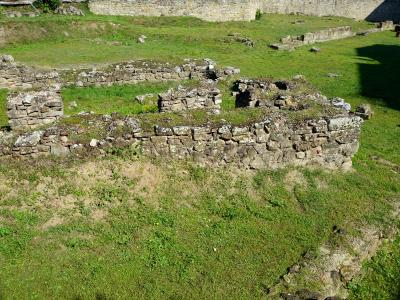
Ancient healing sanctuary in Prinos, Trikala
Historic Sites & Ruins · Museums & Culture
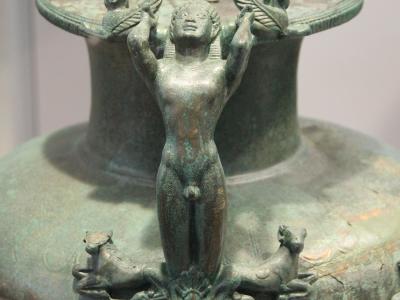
Archaeological Museum of Trikala
Free Museums & Culture · Archaeological Museums
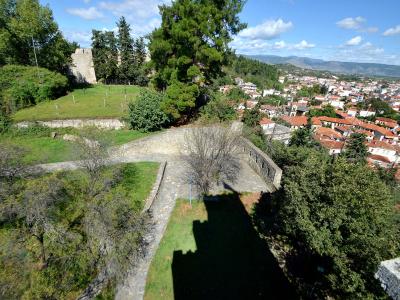
Byzantine Castles (in Old Town)
Historic hilltop citadel in Trikala, Greece
Castles · Historic Districts
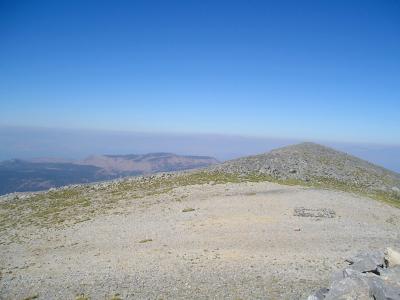
Mount Ziria
Second-highest Peloponnese mountain in Corinthia
Natural Landscapes
Questions people ask
Quick Facts
Best Time to Visit
April to June and September to October offer mild weather, avoiding the intense heat of summer.