







- Where
- Trikala, Thessaly
- Directions
- Directions
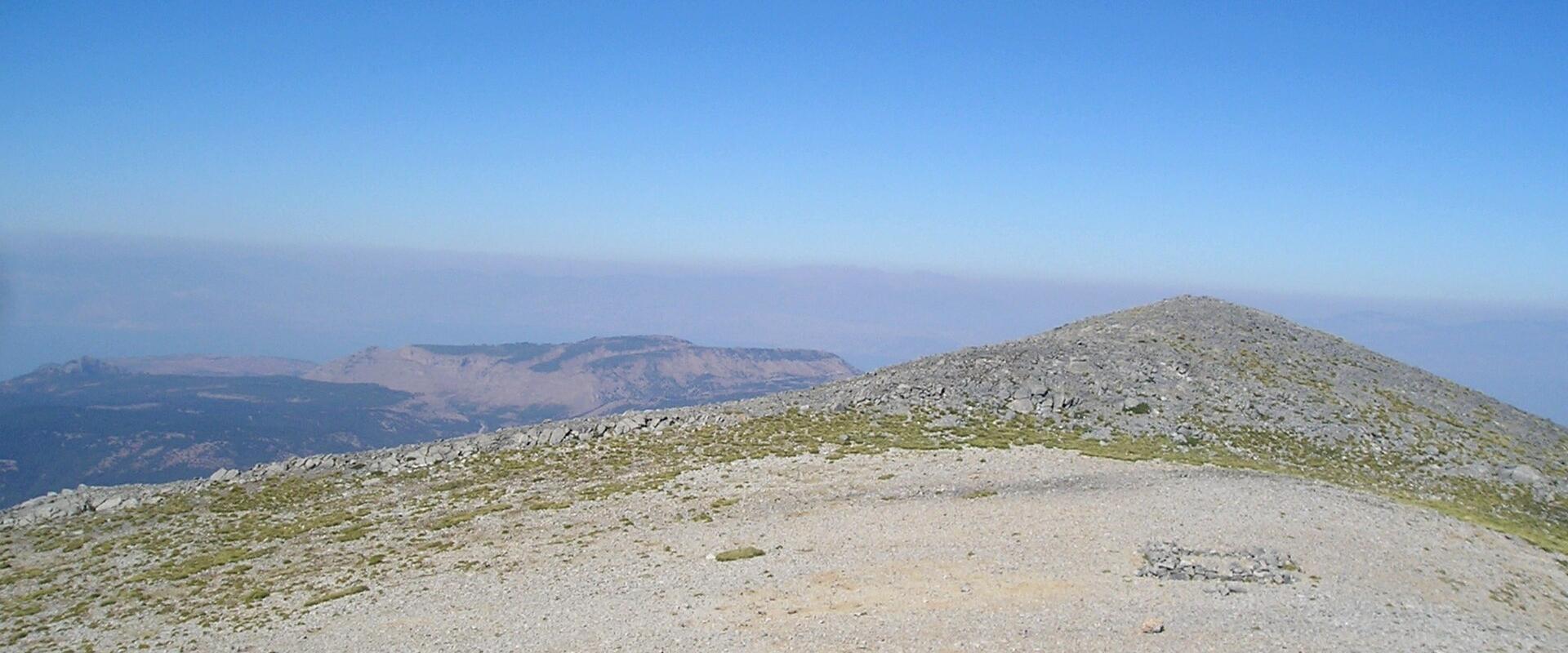
Mount Ziria, also called Kyllini, rises above the northern Peloponnese in the region of Corinthia, and at about 2,376 metres it is the second-highest mountain of the peninsula after Taygetus. It is a broad limestone massif, wooded with fir on its lower slopes and bare and stony above, and snow often lies on the top into late spring. The mountain is reached from the three villages known as Kato, Ano and Mesa Trikala, which sit on its slopes above the Gulf of Corinth and keep their old stone houses, plane trees and springs.
The mountain has a place in Greek myth. Ancient writers named Kyllini as the birthplace of Hermes, the messenger of the gods, who was said to have been born in a cave on its slopes and to have invented the lyre from the shell of a tortoise there. This is why Kyllini is a name that appears in classical texts, and why the area is rich in stories about shepherds, nymphs and wolves.
For walkers, Ziria is a serious but rewarding mountain. Trails lead from the villages and the high plateau through fir forest to open ridges and summit crests, and the views from the top extend over the Gulf of Corinth to the mountains of central Greece, and on very clear days to Parnassus. A well-known base is the high plateau of Ziria, an area for walking reached by a road that climbs from Kato Trikala. The weather changes quickly and the summit can be cold and windy even in summer, so proper footwear and layers are important.
Near the foot of the mountain lies Lake Doxa, an artificial lake on the plateau of Feneos, set among fir trees and hills with a small chapel beside it. It is a popular spot for picnics and short walks, and it is often combined with a day on the mountain. The nearby village of Feneos has remains of an ancient city, and the area sits close to the Peloponnese's other mountain villages and gorges.
From Athens, the drive takes around two hours by the national road toward Corinth and then along the coast to Xylokastro, followed by a climb of about thirty minutes to the villages. In spring and autumn the temperatures are comfortable, snow offers a winter setting for a few weeks, and summer provides cool air after the heat on the coast. Taverns in the villages serve grilled meat, local cheese and pies, and small guesthouses offer rooms.
Categories
More photos coming soon
Nearby Attractions
Other places to visit in Trikala
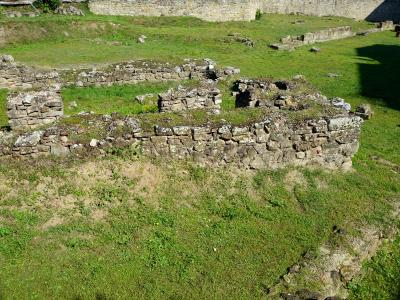
Asclepius (ancient Site)
Ancient healing sanctuary in Prinos, Trikala
Historic Sites & Ruins · Museums & Culture
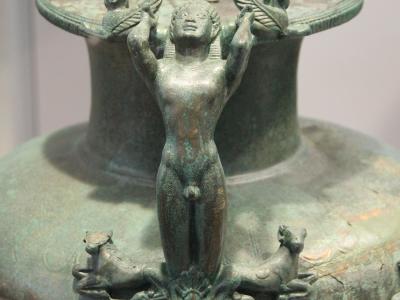
Archaeological Museum of Trikala
Free Museums & Culture · Archaeological Museums
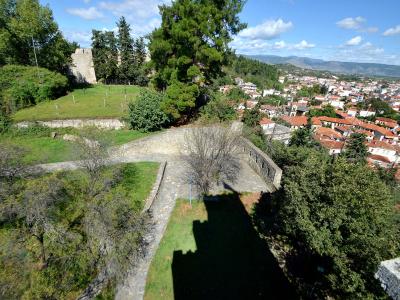
Byzantine Castles (in Old Town)
Historic hilltop citadel in Trikala, Greece
Castles · Historic Districts
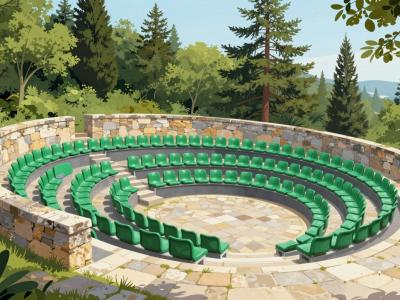
Kastro of Trikala (Castle)
Historic Sites & Ruins · Castles
Questions people ask
Quick Facts
Best Time to Visit
April to June and September to October offer mild weather, avoiding the intense heat of summer.