Trikala
Thessalian city with riverfront and ancient theatre
History
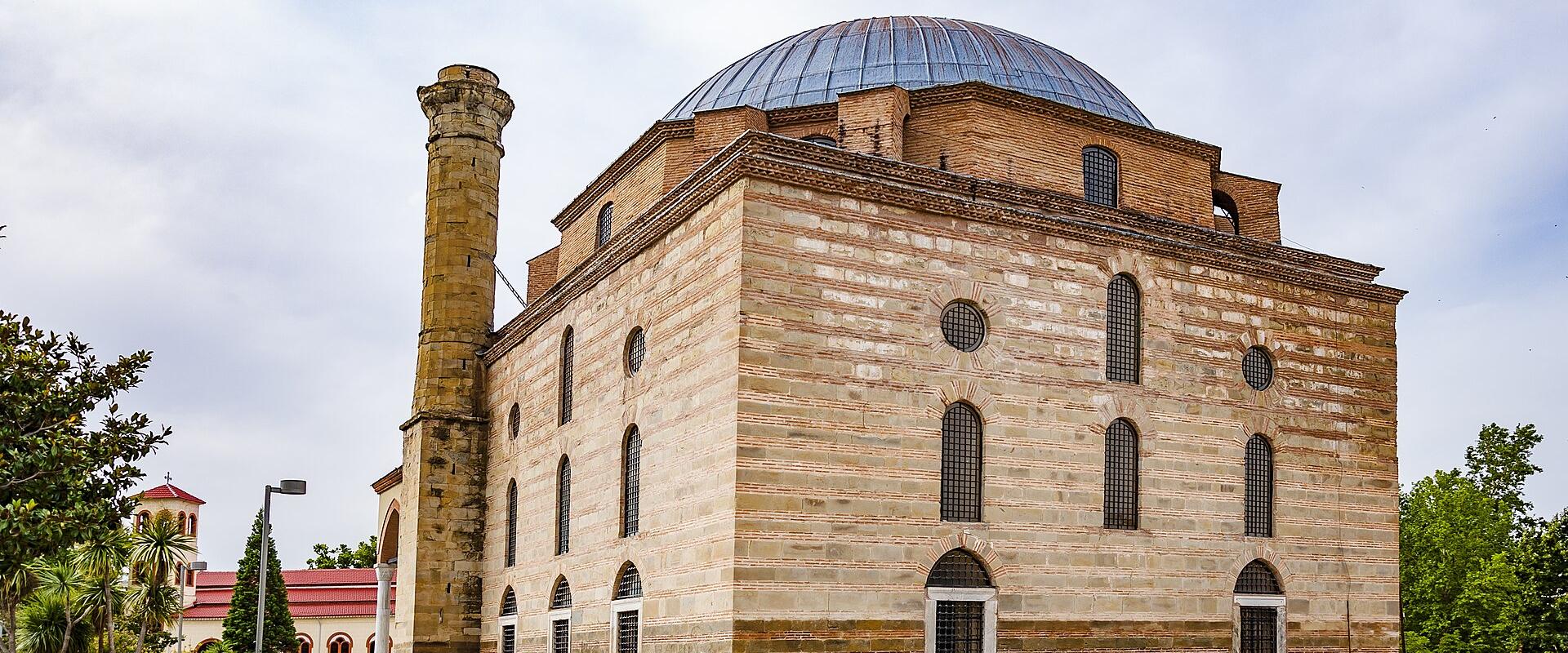
Trikala, located in the heart of Thessaly, possesses a layered history that reflects its strategic importance in central Greece. The city’s origins are ancient, with archaeological evidence suggesting continuous habitation since prehistoric times. It played a significant role in the region’s development, serving as a cultural and economic hub through various historical periods, including the Byzantine and Ottoman eras. The city’s architecture and urban layout bear the marks of these different influences, creating a unique historical tapestry. While often viewed as a transit point to nearby Meteora, Trikala itself holds a rich heritage, evidenced by its ancient theater, Venetian castle, and traditional neighborhoods. The city’s history is deeply intertwined with the agricultural and commercial development of the Thessaly plain, reflecting the resilience and adaptability of its inhabitants over centuries.
Main Attractions
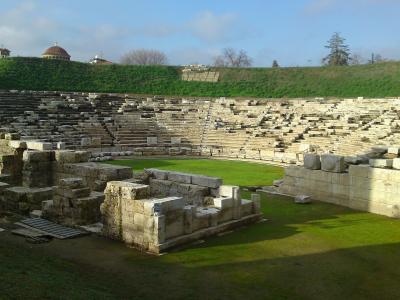
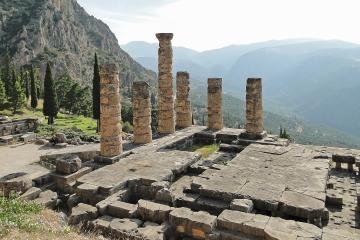
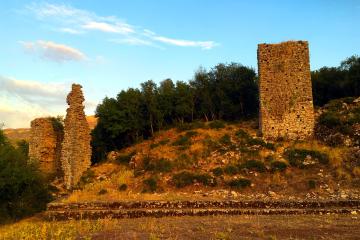
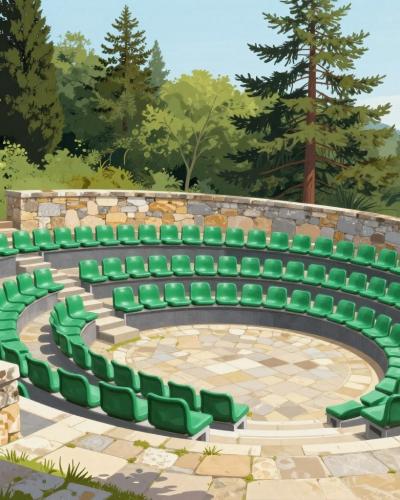
The primary attraction in Trikala is its historic center, which offers a glimpse into the city’s rich past. The Asclepius Ancient Theater, located in the city center, is a testament to the region’s ancient heritage, offering insights into the cultural and religious practices of the past. The Venetian Castle, or Kastro, stands as a prominent landmark, offering panoramic views of the city and the surrounding plains. The castle’s walls and towers provide a tangible connection to the region’s medieval history. Additionally, the city’s traditional neighborhoods, with their narrow streets and traditional architecture, offer a charming atmosphere for exploration. The combination of historical sites and natural beauty, such as the Litha River, creates a unique and engaging experience for visitors.
Activities
Visitors to Trikala can engage in a variety of activities that highlight the city’s natural and cultural assets. The Litha River, which flows through the city, is a central feature, offering opportunities for leisurely walks, bike rides, and boat trips. The riverbanks are lined with parks and green spaces, providing a peaceful retreat from the urban environment. The city is also known for its traditional festivals and cultural events, which celebrate local traditions and heritage. Visitors can explore local markets, sample traditional Thessalian cuisine, and engage with the local community. The combination of natural beauty, historical interest, and cultural vibrancy makes Trikala a compelling destination for those seeking a more authentic and relaxed travel experience.
Getting There
Trikala is well-connected by road, with regular bus services connecting it to major cities in Greece, including Athens and Thessaloniki. The journey from Athens takes approximately three to four hours by bus, offering a comfortable and scenic route. For those traveling by car, the city is accessible via the E75 highway, with clear signage and well-maintained roads. Public transportation within the city is limited, but the compact nature of the historic center makes it easy to explore on foot. Taxis are also available for those who prefer a more direct mode of transport. The accessibility of Trikala makes it a convenient destination for both short visits and longer stays.
Best Time to Visit
The best time to visit Trikala is during the spring (April to June) and autumn (September to October) months. During these periods, the weather is mild and pleasant, with comfortable temperatures ideal for outdoor activities and sightseeing. The summer months, particularly July and August, can be hot and crowded, with higher temperatures and larger crowds of tourists. Visiting during the shoulder seasons offers a more relaxed experience, with fewer crowds and lower prices. The autumn months, in particular, offer a serene atmosphere, with the changing colors of the foliage adding to the beauty of the landscape. It is advisable to check local weather conditions and plan activities accordingly to ensure a comfortable and enjoyable visit.
Best Time to Visit
April to June and September to October offer mild weather, avoiding the intense heat of summer.
Plan Your Visit to Trikala
Essential travel tips and information for your trip to Trikala.
Suggested Itineraries
One Day in Trikala
1 dayExplore Trikala's Byzantine fortress, ancient sanctuaries, and loca...
View ItineraryTravel Tips
Currency
EUR • Cards widely accepted
Language
Greek • English in tourist areas
WiFi
Free WiFi in cafes and hotels
Explore Trikala by Interest
Discover attractions and experiences in Trikala organized by your interests and travel preferences.
All attractions in Trikala
Sorted by our recommendation score
Quick Facts
Book your stay
Frequently Asked Questions
More destinations in Thessaly
Explore other amazing places in the Thessaly region