







The Olive Oil Standard
Peppery heat lingers on the tongue, a sharp, immediate reminder of the Koroneiki variety’s intensity. This sensation isn’t manufactured in a sterile factory; it emerges from the sun-baked groves of Crete or Lesvos. You are looking for oil that tastes like the land, not a neutral, processed commodity.
Skip the glossy tourist shops cluttered with generic bottles and generic promises. Instead, wander into small presses where the air hangs heavy with the scent of crushed fruit and wet stone. Look for harvest dates printed boldly on the label, not just distant expiration codes. A bottle from Kalamata or Chania often carries a story etched into its dark glass, waiting to be read.
Cold-pressed and unfiltered, the finest oils retain their natural polyphenols. These compounds deliver that characteristic bite, signaling both freshness and high quality. When you hold a jar from a family-run estate, you are holding generations of agricultural wisdom. The golden hue shifts subtly with the light, revealing the care taken during the initial pressing.
Supporting these small producers keeps ancient traditions alive. It ensures that the olive tree remains a living symbol rather than a mere ingredient. Bring home a flavor that connects you directly to the Mediterranean soil. Let the oil’s complexity speak for itself, requiring no moral justification for its value.
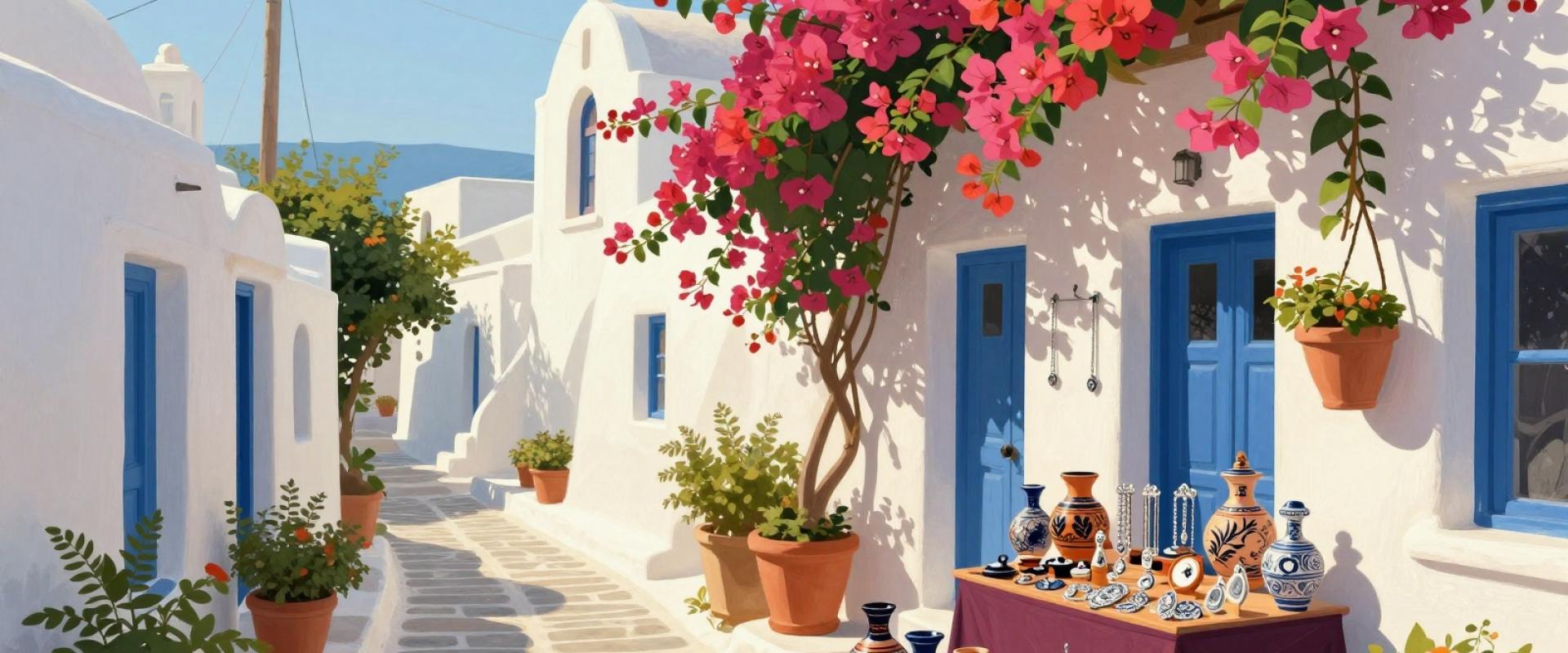
Authenticity defines Greek heritage, and this extends to what you bring home. Look beyond the tourist traps where mass-produced trinkets clutter the shelves. Seek out local artisans who craft traditional gifts with care. The olive tree stands as a central symbol in this culture, providing more than just food; it offers a tangible connection to the land. When selecting olive oil, prioritize extra virgin grades that are cold-pressed and locally sourced. Avoid products that lack clear labeling or origin details. This approach ensures you bring home a genuine piece of Greek culture, supporting local farmers rather than importing generic goods. The quality of the oil reflects the care taken in its production, offering a tangible taste of the Mediterranean tradition. Trust in the traditional methods that have sustained these communities for generations. This choice honors the heritage and the people who maintain these age-old traditions.
The Saffron and Honey Trail
Skip the plastic keychains cluttering the shop windows near the Acropolis; they lack soul. Instead, venture into Thessaly to find the source of the country’s most precious spice. Kozani saffron, often dubbed red gold, carries an earthy depth that mass-market versions simply cannot match.
Imagine threads that release a honeyed aroma the moment they touch water. This distinct flavor profile pairs perfectly with the region’s thick, floral honey, particularly thyme or pine honey. Buying these items directly from the farmers ensures your money supports the hands that harvested them, not a middleman.
The result is more than a gift; it is a flavor that lingers long after the jar is empty. You hold a piece of the Greek landscape in your palm, a sensory reminder of the sun-drenched fields. Such choices transform a simple purchase into a meaningful story you can taste.
Navigating the best Greek souvenirs requires discernment. Avoid mass-produced trinkets near tourist hubs. Instead, seek local artisans. Thessaly is renowned for high-quality saffron. This spice, often called red gold, offers a distinct, earthy flavor. Pair it with local honey for a complete gift. These items support local farmers directly. Choose pure ingredients that reflect the land. You will find authentic flavors that last. This approach ensures a meaningful connection to the culture. It is a tangible memory of your time in Greece. Trust the quality of the local harvest.
The Ceramic Artistry of Crete
Step into a sunlit workshop in Archanes and the air grows thick with the scent of damp earth and woodsmoke. Here, hands move with practiced grace, coaxing form from raw clay on a slow-turning wheel. This is not a factory floor; it is a continuation of Minoan heritage, where Kamares ware—once the pride of ancient palaces—finds new life through modern hands. The intricate red-and-black spirals that decorate these vessels are not merely printed patterns. They are painted by eye, each curve a deliberate echo of a thousand-year-old aesthetic.
You will notice the weight of a finished vase before you even lift it. The clay is dense, holding the memory of Cretan soil in its very fibers. Unlike the hollow, mass-produced souvenirs found in airport shops, these pieces possess a quiet dignity. A bowl from a Rethymno studio feels substantial, grounding your table with a sense of place. When you run your fingers along the rim, you feel the slight irregularity of human touch, a stark contrast to the cold perfection of machine manufacturing.
Buying such a piece does more than fill a shelf. It sustains a lineage of skill that refuses to fade. Your investment keeps the wheel turning for the next generation of potters. Look for the subtle variations in glaze, the unique fingerprint of the maker. Choose a vase that catches the light in a way that speaks to you. In doing so, you carry home a fragment of Crete’s enduring soul, one that resonates long after the trip ends.