
The Whispering Stone: Entering the Monastic Heart
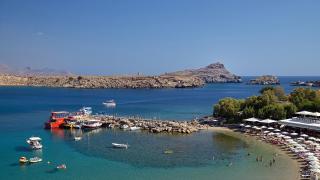
Sun-baked limestone glows under the Aegean sun, a stark, golden contrast to the deep, electric blue of the sea below. Patmos is often dubbed the "Jerusalem of the Aegean," but this title barely scratches the surface of the island’s gravity. Here, the air feels heavier, charged with centuries of prayer and silence. It is not merely a vacation spot; it is a destination that demands a shift in rhythm.
The charm of Patmos lies in its quiet dignity, a sharp contrast to the crowded, noisy tourist hubs of neighboring islands like Mykonos or Rhodes. Here, the atmosphere invites introspection. The noise of the modern world fades, replaced by the gentle, rhythmic whisper of wind against ancient stone. It is a place where time seems to slow, allowing the spirit to settle into the deep, resonant quiet of the Aegean.
The Crown of the Island: Monastery of Chora
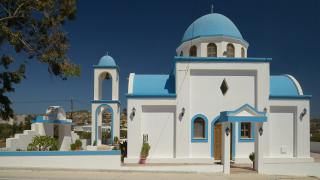
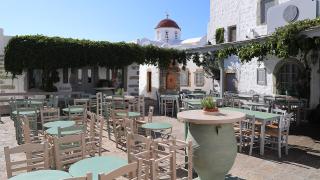
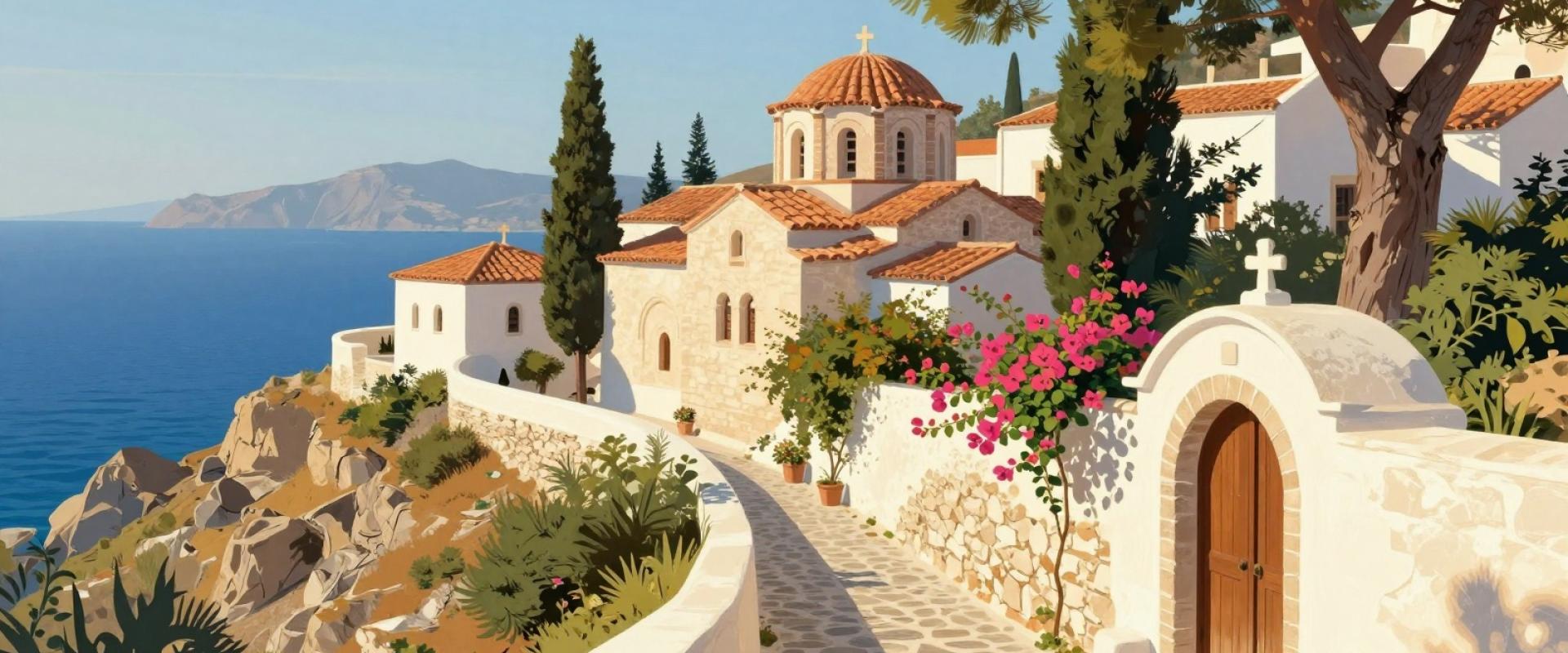
Rising above the island’s main town, Chora, the white-washed walls of the Monastery of Chora stand as a stoic sentinel against the deep blue sky. This is not merely a architectural landmark; it is the spiritual heartbeat of the island. The structure is imposing, yet it carries an air of serene humility. Stepping into the courtyard, the heat of the day seems to dissipate, replaced by a cool, profound silence that wraps around the visitor.
The interior is a masterpiece of iconographic art. The wooden iconostasis, intricately carved and painted, draws the eye with every detail, from the gold leaf to the subtle expressions on the faces of the saints. It is a space where the boundary between the temporal and the divine feels thin, inviting a quiet introspection that lingers long after you leave. Locals often pause in the quiet corners, their presence adding a gentle, human rhythm to the stone and marble.
From the upper vantage points, the view expands into an endless expanse of azure, connecting the grounded stone of the monastery to the open sea. Travelers often describe this experience as a reset, a chance to reconnect with something deeper and more enduring. In this space, the peace is palpable, settling deeply into the bones.
The Cave of the Apocalypse: Where Heaven Met Earth
Chips of white marble glint in the dim, cool air, catching the faint light that filters through the narrow entrance. This is the Cave of the Apocalypse, the site where tradition holds that St. John the Divine received his apocalyptic visions. There is a heavy, ancient silence here, one that feels less like an absence of sound and more like a held breath. The rugged hollow of rock, stripped of grand ornamentation, focuses the mind entirely on the spiritual weight of the moment.
The air inside is cool and still, wrapped in a silence that feels ancient. It is a stark contrast to the bright, noisy streets just outside the cave’s mouth. Here, the boundary between the earthly and the divine feels thin, almost transparent. As you walk through, the stone itself seems to hold the memory of centuries of whispered prayers. It is not merely a sight to be observed, but a moment of connection with the ancient past.
Stepping back out into the sun, the brightness feels sharp, almost harsh after the cool shadow of the cave. Yet, the quiet resonance of that experience lingers. It is a reminder that even in the noise of the modern world, a place of deep, quiet truth remains accessible, waiting in the stone.
The Rhythms of Faith: Local Traditions
Patmos anchors its community identity in deep, unbroken spiritual tradition. The rhythm of the island is defined by the Monastery of St. John, a historic center that anchors the spiritual life of the region. The air here is often thick with the scent of incense, grounding the atmosphere in a sense of ancient reverence.
Local festivals are not mere performances; they are communal expressions of faith. When traditional polyphonic music blends with religious processions, the result is a vibrant, immersive experience. The community comes together, united in shared reverence, transforming the streets into a living canvas of devotion. This intersection of ancient history and modern Greek life creates a unique cultural tapestry, where the past feels immediately present.
The atmosphere is vibrant yet respectful, offering a unique window into the local soul. It is a place where the observer becomes part of the rhythm, feeling the pulse of the island in the stone and the song.
The Final Step: A Promise of Peace
The heavy stone doors of the monastery close behind you, sealing out the relentless heat of the Aegean sun. Inside, the air is cool and still, a sharp, refreshing contrast to the blazing heat outside. Silence here is not empty; it is a heavy, resonant presence that settles into the bones, grounding you in the present moment.
White-washed walls enclose the space, framing deep blue glimpses of the sea through narrow, high windows. These are no longer just visual sights; they become internal anchors, grounding the spirit in a sudden, profound stillness. The chaotic noise of the outside world fades, replaced by a quiet clarity that feels both ancient and immediate.
Stepping back out into the glare, the tranquility remains, wrapping around you like a steady, rhythmic breath. It is a quiet strength, renewed by the spiritual depth of Patmos. The island does not just offer a view; it steadies the spirit, leaving behind a lasting sense of peace and connection that stays with you long after you have left the island.