Is Greece a Good Place to Travel Alone?
Greece is one of the easier European countries for a first solo trip. Violent crime against visitors is uncommon, English is widely spoken in tourist areas, ferries and buses connect most places worth visiting, and eating alone at a taverna is entirely normal. The main challenges are practical rather than safety-related: single supplements on rooms, ferry timetables that change by season, and quieter islands that empty out in winter.
Staying Safe
Normal city precautions cover most risks.
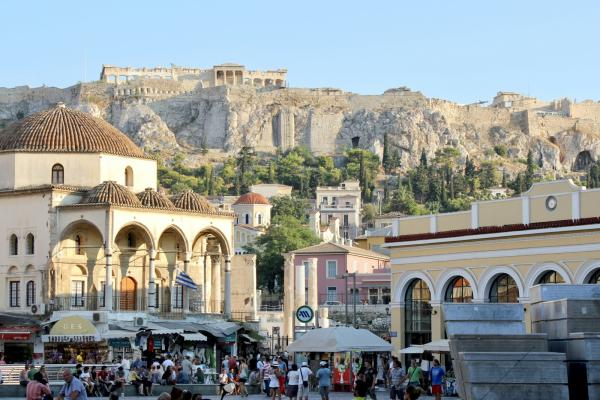
- Pickpocketing is the most common problem, especially on the Athens metro (notably the line between Piraeus and the centre), at busy stations and in crowded spots like Monastiraki and the Acropolis entrance. Keep bags zipped and phones out of back pockets.
- Nightlife areas on party islands such as Ios, Mykonos and parts of Zakynthos and Crete call for the usual caution: watch your drink, agree on how you are getting back, and avoid unlicensed taxis.
- Taxis in Athens and Thessaloniki can be booked through apps, which records the route and fare. At ports and airports, use the official taxi rank.
- Heat and hiking cause more problems for visitors than crime. In summer, walk early, carry water and tell your accommodation where you are going if you head off on a trail alone.
- Emergencies: dial 112 for any emergency service. The Tourist Police, reachable on 1571, can help with complaints and lost documents in several languages.
Women travelling alone generally find Greece comfortable. Unwanted attention does happen, mostly in nightlife areas, and a firm, clear refusal usually ends it.
Getting Around Alone
Travelling solo means no one to split taxi or car-hire costs, so public transport matters more.
- Ferries link Piraeus, Rafina and Lavrio near Athens with the Cyclades, Dodecanese, Crete and north Aegean, and other ports serve the Ionian and Sporades. Timetables are published for the season, usually in spring, and booking platforms show combined schedules. In July and August book popular routes ahead.
- KTEL buses are regional intercity coaches connecting Athens with the mainland and running on the larger islands. They are reliable and cheap and a good way to meet other travellers.
- Trains are limited: the main line runs from Athens to Thessaloniki, with suburban services around Athens.
- Scooter and ATV hire is common on islands, but accident rates are high. Only hire if you are an experienced rider with the correct licence, and always wear a helmet.
Where to Go
Some places suit solo travellers better than others because they combine good transport, plenty of fellow travellers and enough to do on foot.
- Athens has hostels, walking tours, food tours and enough museums and neighbourhoods to fill several days.
- Thessaloniki is a student city with a lively food and bar scene and good bus links to the north.
- Naxos and Paros in the Cyclades have frequent ferries, bus networks, beaches, villages and walking routes.
- Crete is large enough for a long trip by bus, with Chania, Rethymno and Heraklion as bases and hikes such as the Samaria Gorge, open from spring to autumn and easy to reach on an organised day trip with transport included.
- Nafplio and the Peloponnese combine a walkable town with day trips by bus to Mycenae and Epidaurus.
- Meteora is reachable by train and bus from Athens, with marked paths between the monasteries.
Small, quiet islands are lovely but can feel isolated alone, and outside high season some have few open restaurants.
Where to Stay
Hostels are found mainly in Athens, Thessaloniki and on the busier islands. Elsewhere, family-run rooms (domatia) and small guesthouses are the backbone of accommodation and often price rooms per room rather than per person, so a solo traveller pays close to the double rate. Booking a single room, a studio or a hostel private can help. Guesthouse owners are a good source of advice on local buses, beaches and where to eat.
Eating and Meeting People
Greek meals are often built around shared dishes, but ordering for one is no problem. Order a couple of mezedes or a single main dish, or eat at a souvlaki shop, bakery or ouzeri, where portions are smaller. Sitting at the bar of a busy taverna or cafe makes conversation with staff and other diners easier.
Walking tours, cooking classes, boat trips and group hikes are good ways to meet people, and island hostels and campsites often organise beach days and dinners.
Budgeting for One
Expect accommodation to be the largest cost, especially in July and August, when prices on popular islands peak. Shoulder months such as May, June, September and early October offer better value, warm weather and fewer crowds, and ferries still run on most routes. Use buses rather than taxis, eat your main meal at lunchtime when many tavernas are cheaper, and buy fruit, bread and cheese from markets and bakeries for picnics.