
Stepping Through the Stone Gateways
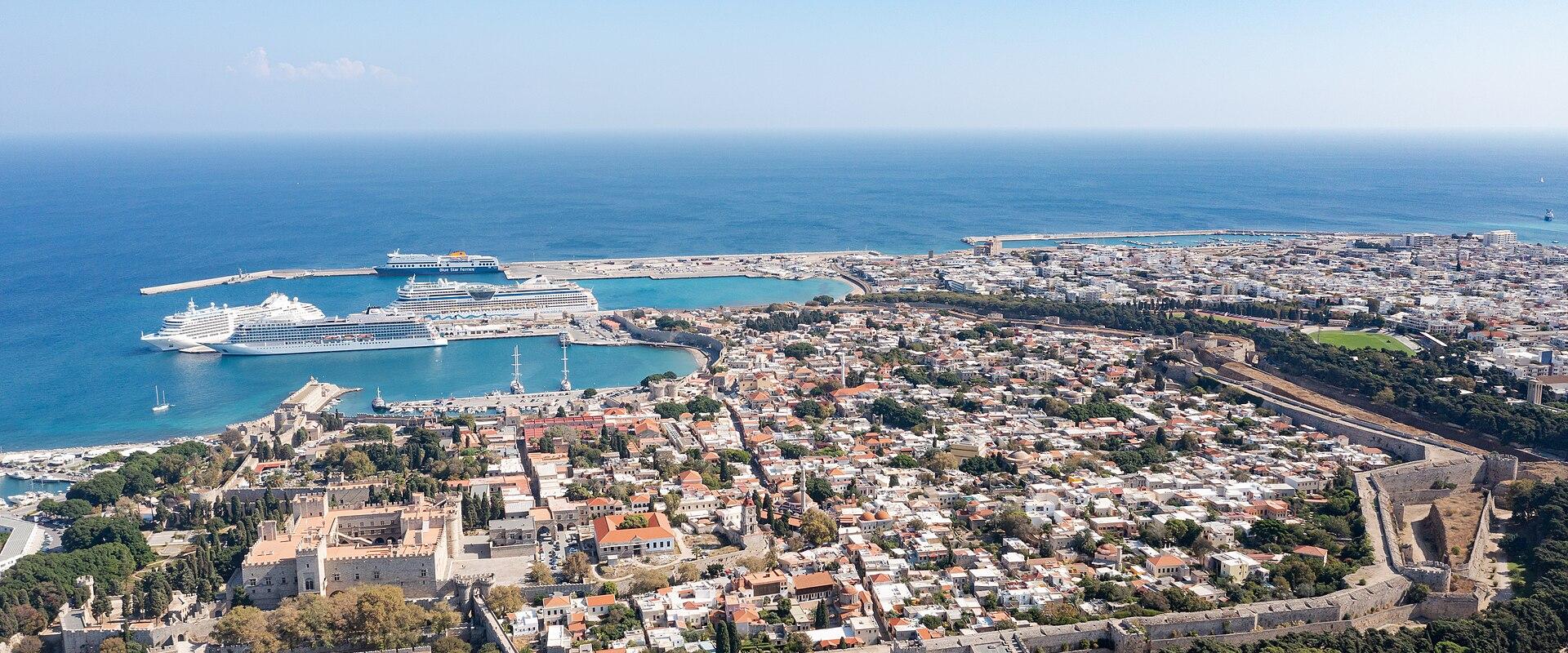
The heavy iron gates of Rhodes Old Town do not merely open; they announce a boundary between worlds. Built by the Knights Hospitaller, these fortifications were engineered with a singular purpose: to intimidate. As you pass through the D’Amboise gate, the air changes. The humidity of the modern port vanishes, replaced by the dry, sun-baked scent of limestone and ancient dust. This UNESCO-listed enclave is sharply divided into the Upper and Lower Towns, a geographical split that mirrors a temporal one. Inside these walls, time does not flow linearly; it pools. You are no longer in a 21st-century Greek island hub. You are standing in a living, breathing medieval archive, where the shadow of the walls feels long enough to swallow the noise of the present day.
The Street of Knights and the Grand Palace
To walk the Street of the Knights is to traverse a corridor of chivalric power. Lined with the imposing stone inns of the Knights’ respective langues (divisions), the street feels less like a thoroughfare and more like a solemn procession. Run your hand along the rough-hewn limestone of the Inn of Auvergne or the Inn of Provence. Notice the lack of ornamentation on the ground floors—a defensive feature designed to withstand cannon fire, while the upper levels offered refined Gothic living quarters. It is a stark reminder that comfort was always secondary to survival.
From this avenue of stone, the path inevitably converges on the Palace of the Grand Master. This colossal structure is not just a building; it is a testament to stubborn resilience. Having withstood the brutal Ottoman sieges of the 16th century, its walls still hold the memory of conflict. Inside the courtyard, intricate mosaics glint beneath the sun, offering a delicate counterpoint to the fortress’s brutalist exterior. Just beyond the palace’s shadow lies the Turkish Quarter. Here, the atmosphere shifts from martial to domestic. The Hammam, with its lingering scent of steam and eucalyptus, offers a sensory bridge to the Ottoman era that followed the Knights. To truly absorb this layered history, dedicate at least two hours to wandering these zones without a rigid schedule. Let the architecture dictate your pace.
Feasting in the Shadow of Towers
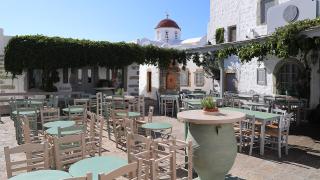
Avoid the aggressive touts clustered near the main entrances; they are the first filter for separating the prepared traveler from the casual tourist. Instead, retreat into the labyrinthine side streets off Ippokratous Square. Here, the aggressive commerce of the main drag gives way to the quiet dignity of neighborhood life. Look for tavernas where the patrons are speaking Greek, not rehearsed English phrases for tourists. In these establishments, you will find Dodecanese cuisine stripped of its tourist markup. Focus on the simplicity of the ingredients: fresh catch from the Aegean, local cheeses, and herbs picked from the island’s dry hills. A meal here costs a fraction of what you would pay in the high-traffic zones, yet the quality is often superior. The ambiance is not curated for Instagram; it is lived in. This is where the medieval stone walls feel like home rather than a backdrop.
Accessing the Old Town requires a strategic approach, primarily because the UNESCO core strictly limits vehicular traffic. During peak summer months, the narrow streets near the port can become gridlocked. To bypass this, park at the designated lots near the New Port or Saint Paul’s Gate. From there, the walk through the archways is part of the experience, allowing you to adjust to the scale of the city before you even step onto the first cobblestone.
Timing is equally critical. May and October provide the most temperate conditions, sparing you the oppressive heat that can drain energy from a day of exploration. If you visit in summer, wait until after 4 PM. The crowds dissipate, the light turns golden, and the heat breaks. Be mindful of institutional hours; most museums and the Palace of the Grand Master close by 3 PM on weekdays, though this extends later in the high season.
For those seeking depth, a three-hour small-group walking tour (approx. €35) offers context that guidebooks cannot. For a faster, independent exploration, the two-hour scooter tour (€40, helmets included) allows you to navigate the upper town’s steep inclines with ease. Crucially, purchase your Palace tickets online in advance. The line for physical tickets can stretch for an hour, time better spent exploring the surrounding inns. In the Turkish Quarter, seek out local olive oil producers. Imported brands are ubiquitous, but local varieties offer a taste of the island’s terroir that is far more authentic.
Your Medieval Journey Awaits
The Palace of the Grand Master and the Street of the Knights are not static monuments; they are active participants in your memory. Navigating this UNESCO enclave requires no guesswork if you prepare in advance. Whether you choose the guided path to absorb the intricate politics of the Knights Hospitaller or opt for the independence of a scooter to weave through narrow, shadowed lanes, the goal remains the same: immersion. This flexibility allows you to engage with six centuries of preserved stone architecture on your own terms. Do not rush. Let the itinerary guide you, but let your senses lead. The weight of history here is not something you observe; it is something you inhabit.