Can You Really Stargaze on Santorini?
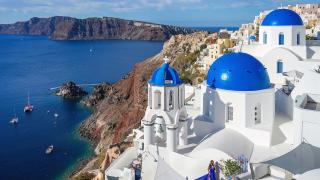
Yes, with some planning. Santorini sits in the middle of the southern Aegean, far from large cities, and summer skies are usually cloudless. The catch is the island itself: the caldera villages of Fira, Firostefani, Imerovigli and Oia are brightly lit until late, and their glow washes out fainter stars. Stargazing here works best when you move away from the caldera towns, choose the right night and give your eyes time to adjust.
It is also worth knowing what is not available. Santorini has no public observatory with regular visiting hours, so stargazing is something you mostly do on your own, with a hotel that offers telescope evenings, or at occasional astronomy events.
Imerovigli and the Caldera Rim
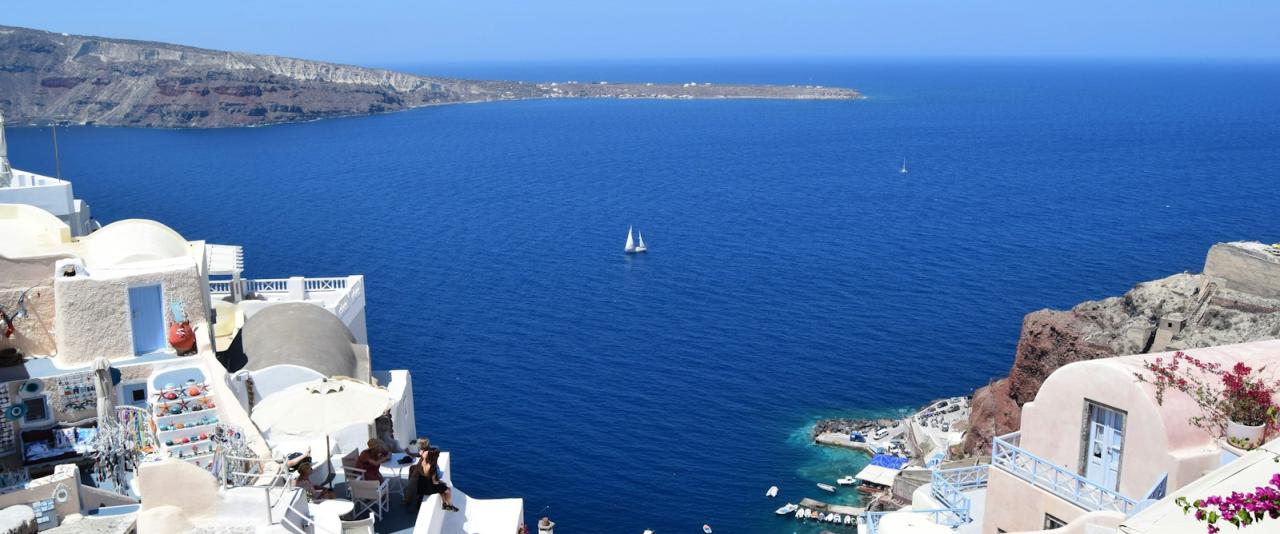
Imerovigli is the highest village on the caldera edge, and its views over the water towards Thirasia and the volcanic islets are among the best on the island. After sunset, the open western sky over the caldera is a good place to watch the first planets and bright stars appear, and to see the Moon set over the sea.
For darker conditions near Imerovigli, walk out towards Skaros Rock, the headland below the village where a medieval castle once stood. The path is rough and unlit, so go before full darkness or bring a torch, and stay well back from the cliff edges. The caldera path between Fira and Oia passes through Imerovigli, but it is not a place to walk in the dark.
The Darkest Spots on the Island
The best skies are away from the caldera villages:
- Akrotiri Lighthouse (Faros): at the south-western tip of the island, at the end of the road past Akrotiri village. It is a popular sunset spot; once the crowds leave, the sky to the south and west is fairly dark.
- Profitis Ilias: the island's highest point, above Pyrgos, with a monastery and telecommunications masts. The road up gives wide views, though the summit itself is partly fenced.
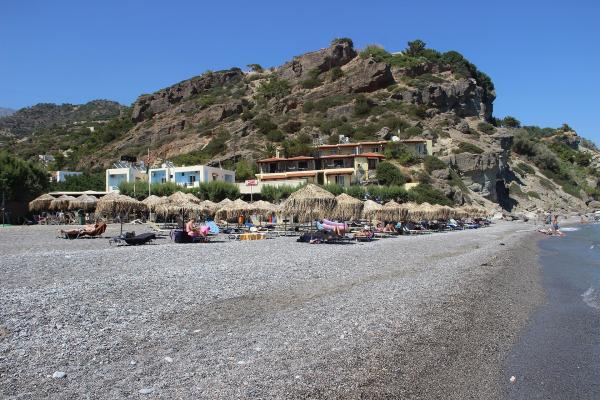
- South-coast beaches: Perissa, Perivolos and Vlychada face south and east, away from the caldera glow. The quieter ends of the beaches, away from bars, are best.
- Pyrgos and inland villages: smaller and less lit than Fira and Oia, and easy to combine with dinner.
You will need a car, scooter or taxi to reach most of these at night, since bus services thin out in the evening.
When to Go and What You Can See
Moon phase matters more than anything. Plan stargazing for the days around the new moon, when the sky is dark all night; around full moon only the brightest stars and planets show. Check a moon calendar before you book if stargazing is a priority.
From late spring to early autumn, the core of the Milky Way is visible low in the southern sky in the evening, which is why the south-facing coast is the place to be. Summer also brings the Perseid meteor shower, which peaks around 12 to 13 August each year. Winter skies can be very clear after a front passes, but nights are cold and windy, and much of the island's accommodation closes from November to March. Strong summer meltemi winds can make telescope viewing shaky but usually leave the sky clear.
Bright planets such as Jupiter and Saturn, the Moon's craters and bright star clusters are good targets for binoculars or a small telescope.
Astronomy Events and Hotel Stargazing
Occasional public astronomy evenings are held on the island. For example, the Tomato Industrial Museum at Vlychada has hosted free stargazing nights with telescopes and talks by Greek amateur astronomers. Such events are irregular, so check local listings and museum websites when you arrive. Some higher-end hotels, particularly in the quieter, higher parts of the island, offer telescope sessions or private terraces designed for night-sky viewing, usually for their own guests.
If you bring your own gear, a pair of 7x50 or 10x50 binoculars and a free star-chart app cover most of what a casual stargazer needs.
Combining Stargazing With an Evening Out
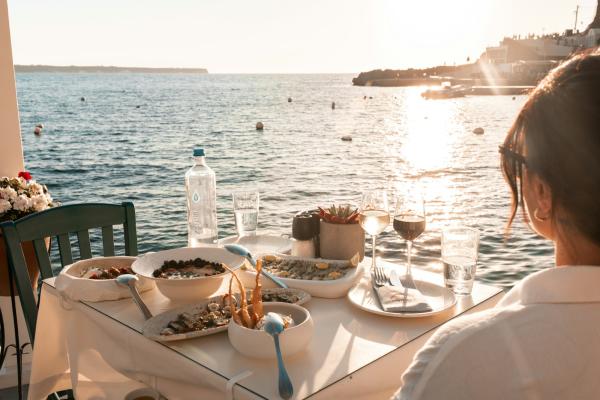
Santorini's evenings revolve around sunset, then dinner, then bars, and you can fit the stars in around them. A practical plan is to watch sunset in Imerovigli or at the lighthouse, drive to a dark spot for an hour of stargazing once twilight ends, and then head back to Fira for a late drink, since Fira has the island's busiest bar scene and stays open well after midnight in summer. Kamari and Perissa on the east and south coasts have relaxed beach bars that are closer to the darker skies.
Dress for wind, as nights on exposed headlands are cooler than you would expect, and use a red light or a dimmed phone screen to keep your night vision. Respect private property and the cliff edges, and leave no rubbish behind.