whispering marble: introduction to time
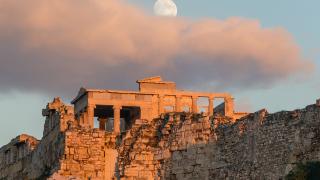
The Pentelic marble does not merely reflect the sun; it absorbs it, radiating a warmth that has persisted since the fifth century BCE. Standing before the Parthenon, you are not looking at a static monument, but at a living dialogue between stone and sky. The air here is thick with the scent of wild thyme and sun-baked dust, a sensory anchor that grounds you in the Aegean.
As your fingers graze the fluted columns, the abstract concept of democracy becomes tangible. This is not just a ruin to be observed; it is the foundational bedrock of Western thought. The silence here is not empty, but heavy with the echoes of Socratic debate and the quiet endurance of centuries. To walk this ground is to step into a current that has flowed for two and a half millennia, connecting the present moment to the ancient human spirit.
While the Acropolis dominates the skyline, the true pulse of Athens beats in the labyrinthine streets below. The Agora, once the bustling center of civic life, now offers a serene counterpoint to the tourist crowds. Here, the Stoa of Attalos stands as a preserved skeleton of ancient commerce, its open colonnades offering shade and a quiet space to reflect.
Stepping from the Acropolis slope into this area, the atmosphere shifts. The air hums with a different energy, less sacred and more communal. You are walking through the same streets where Socrates once debated, where the very concept of democracy was first tested in the open air. The stone is warm, the history deep, but the experience is immediate. It is a reminder that the foundations of Western thought were not laid in isolated ivory towers, but in the vibrant, noisy, and complex marketplace of human interaction.
Shadows and Sun: Practical Wisdom for the Traveler
Greece offers a density of ancient ruins unparalleled in the Mediterranean, but navigating them requires strategy. The midday sun, particularly between June and August, can be relentless, turning the white marble of the Acropolis into a blazing heat sink. To truly appreciate the site, you must plan ahead.
Buy your tickets online in advance to bypass the long, sweltering queues that form at the entrance. This small preparation ensures that your time is spent engaging with the history, rather than waiting in the heat. Comfort is key; wear sturdy, gripped shoes to navigate the uneven, polished stone steps, which can be slippery, especially in the early morning or evening. A wide-brimmed hat and high-SPF sunscreen are not just accessories, but essential tools for preserving your ability to absorb the experience. By managing the physical discomfort, you free your mind to engage with the profound atmosphere of the site.
Echoes of the Isles: Exploring Beyond the Mainland
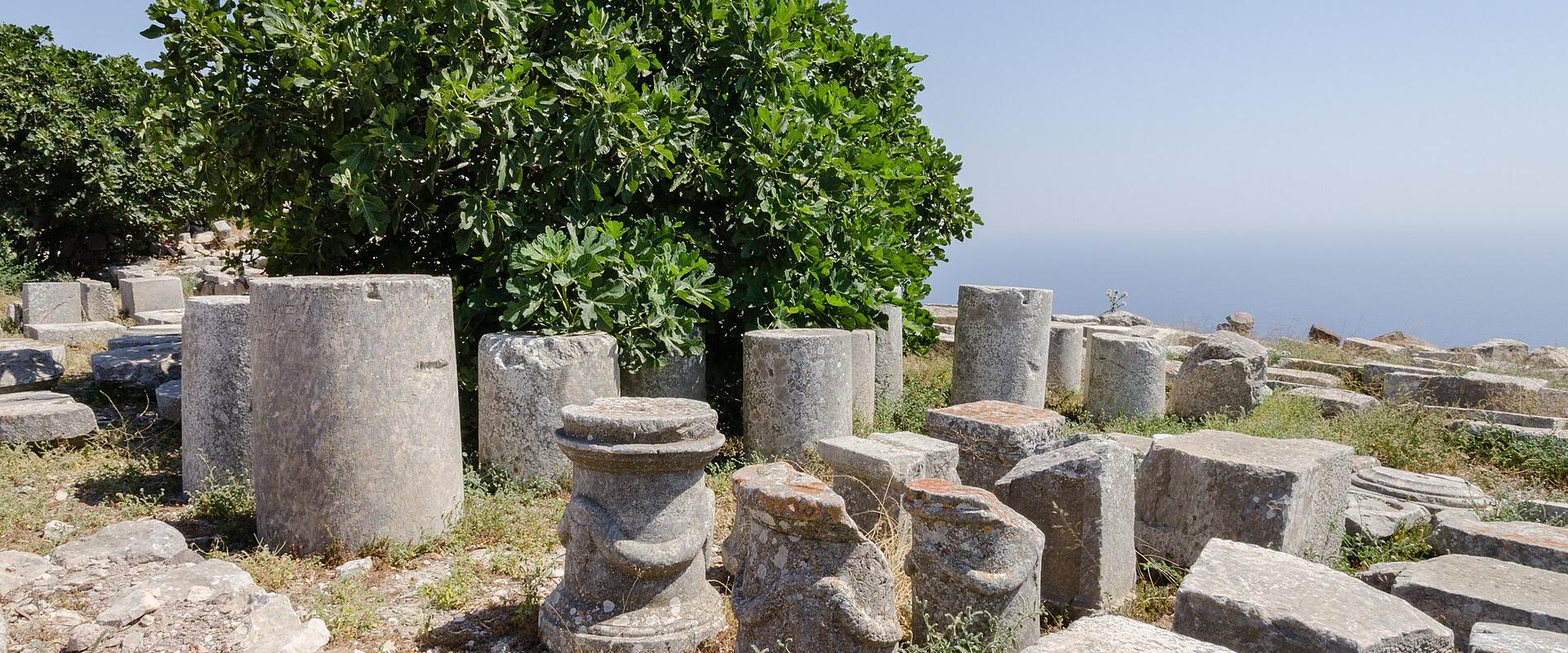
The story of Greece extends far beyond the marble of Athens. To understand the full depth of the culture, one must look to the islands, where the landscape shifts dramatically. Delos, the sacred islet in the middle of Lake Mykonos, offers a stark, silent counterpoint to the mainland. It is a place of ghosts, where the ruins whisper of a time when it was the religious center of the entire Aegean.
Further south, the rugged terrain of Crete holds a different kind of magic. The Minoan site at Knossos, though heavily reconstructed, hints at the complex, advanced civilization that thrived there three millennia ago. These islands are not merely tourist stops; they are the roots of the Hellenic identity. The sea separates the islands, but the cultural heritage ties them together in a continuous narrative of endurance, creativity, and resilience.
The Enduring Echo: A Reflection on Continuity
As the sun sets, casting long shadows across the Acropolis, the day’s experience settles into a quiet reflection. The marble, now cool to the touch, has shared its secrets. The experience of Greece is not merely in seeing these ancient structures, but in feeling the continuity of human existence.
We are not just observers; we are participants in a timeless conversation. The hands that carved these stones are long gone, but the questions they asked, the values they held, and the beauty they created remain. This is the gift of travel: the realization that we are part of a continuous human story. The past is not dead; it is present, waiting for us to listen, to connect, and to find our shared humanity in the stone and the silence.